The effects of sleep on young adults’ well-being and mental health 

By Alex Frank, Health and Wellness Reporter

Have you ever stayed up late one night studying? Or maybe you stayed up late going out with friends, watching a movie, or just scrolling in bed? For many young adults, these are common occurrences. Sleep is often the first thing sacrificed when work, school and social life get busy. Lack of sleep can affect more than how tired a person feels the next day. Consistently poor sleep can affect young adults’ mental health, mood, memory and overall energy levels. 

Adjusting to the newfound freedom and lack of structure that comes with life after high school can be difficult. With so much to juggle while learning how to live on your own for the first time, sleep often falls low on the priority list. One night of poor sleep can affect you the next day, but what becomes a nightly habit for many young adults can have serious effects on long-term health and well-being. Lauren Woodard is a licensed therapist for teens and young adults with a master’s in social work and a bachelor’s in psychology. In an interview, Woodard explains how hard it is to get quality sleep, the effects poor sleep has on young adults’ well-being and ways to build healthier habits. 
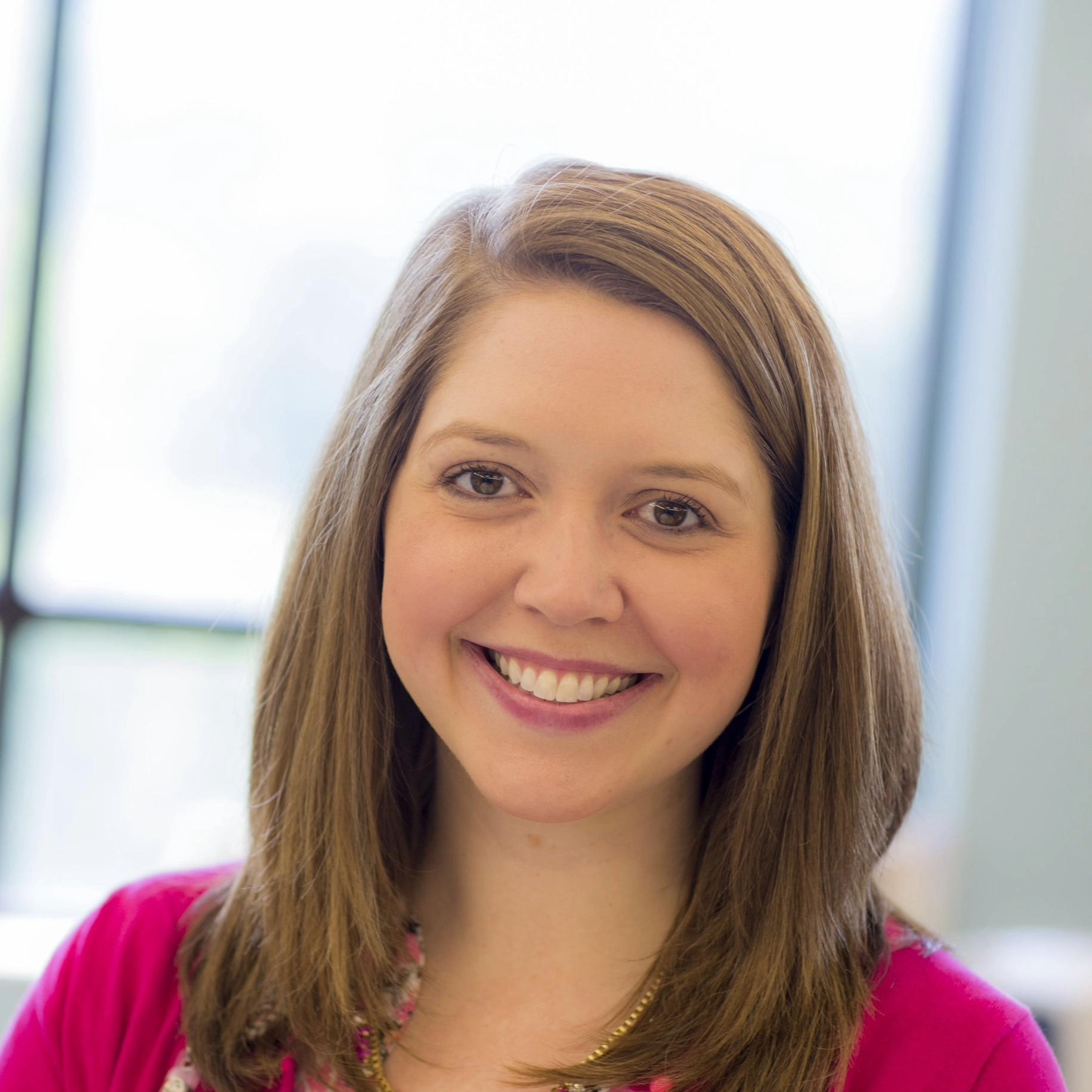
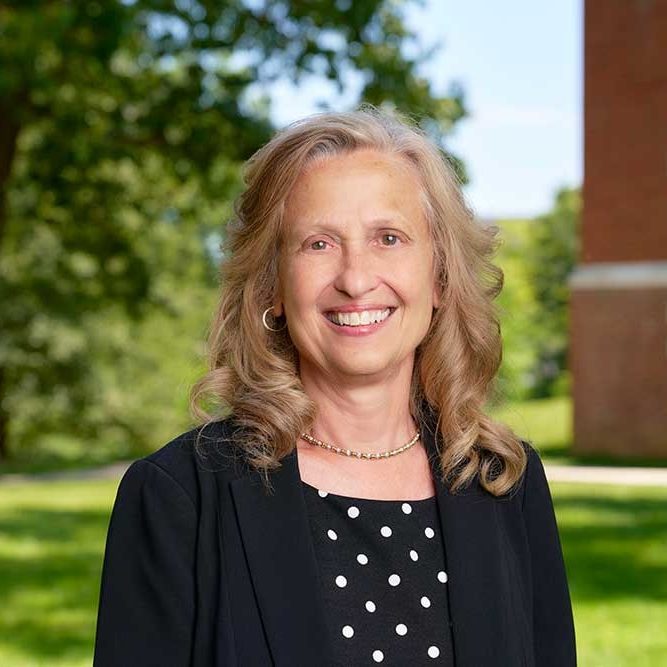
Lauren Woodard, MSW, LCSW 

Her comments were edited for length and clarity. 

Why do you think sleep tends to be such a problem for young adults?

Young adults are in a unique developmental period where they are often navigating a new phase of freedom, responsibilities and demands without the structure they had at home and in high school. For many college students, living at school might be the first time they haven’t had parental supervision and structure around sleep. College is also such a unique time where you are trying to balance so many competing interests: almost 24/7 access to friends and social opportunities, classes, internships, work, clubs, sports, volunteering, dating, all while managing sleep. Sleep is typically the easiest thing to cut! I can’t think of another period of adult life. 

What are the most common unhealthy sleep habits? 

In my work with college students, I most commonly see a pattern of uneven sleep where students might get very little sleep during the week and then sleep in a lot on weekends to make up for it. That in and of itself can severely disrupt your natural sleep-wake circadian rhythms and can also cause what I call “Sunday Scaries Insomnia,” where it is hard to fall asleep on Sunday evenings and you start the week sleep deprived. Another is alcohol intake. Although alcohol makes people feel sleepy at first, research tells us it is a sleep disruptor, causing early wakefulness. Excessive screen time and phone use in bed is another one.  The blue light from your phone and the mental stimulation of what you are watching are big sleep disruptors.

How does stress affect someone’s ability to sleep? 

Stress is a large component driving sleep disruption. Stress puts your body into a naturally more alert and activated state. So if you are stressed, it would take you much longer to be able to feel like you can wind down enough to fall asleep. So think about adding an energy drink in the afternoon, the stress of an exam and scrolling on TikTok a perfect storm for impacting someone’s ability to sleep and a reason why stress management through exercise and meditation is so important. 

How can poor sleep affect mood, motivation and ability to handle everyday stress? 

I say this weekly to my client: Sleep is a foundational component of your mental wellness. When we’re sleep-deprived, our ability to concentrate, tolerate distress, regulate our emotions, make decisions and manage everyday stress is impacted. A decision that might feel relatively easy when you’re well-rested can suddenly feel overwhelming or even impossible when you’re exhausted. You may find yourself feeling far more anxious, emotional, or frustrated by something you would normally be able to navigate; not necessarily because the situation has changed, but because you’re trying to handle it with a sleep-deprived brain. It is like functioning all day with a phone at 10% charged. 

How do phones affect young adults’ sleep habits? 

I could probably do an entire interview on just this. Blue light from your phone keeps you awake and alert and blocks melatonin production, which is a sleep hormone you need to sleep well. I also hear a lot of clients say notifications stress them out, and they feel like they have to respond right away, even if they are trying to rest. One other thing I see is a downside of social media where many of my clients get caught in a comparison trap with viewing social media – it may make them feel like they are less in some way by seeing other people have things they don’t. That can result in feelings of anxiety and depression, which impact sleep.

What are the first changes you would recommend to someone who consistently gets poor sleep? 

Doing a complete reset of your sleep habits might be too stressful, so I say pick one area. Some ideas are, like, set an alarm on your phone to remind you to go phone or social media free for 30 minutes before bed. Stop consuming caffeine after lunchtime. Try to wake up at the same time every morning and go to bed at the same time every night; stay within 2 hours on each end of that on the weekends. If you stay out late, still wake up within 2 hours of your normal wake-up time. Another thing is to try to keep naps short and earlier in the day if you take them. Lastly, stay out of bed unless you are sleeping.

If you could change one sleep habit among college students, what would it be? Stop spending so much time in your bed. For many college students, especially those in dorms, their bed becomes a multi-purpose space: desk, couch, dining room and place to scroll. If possible, I encourage clients to create some distinction between where they are awake and where they sleep. We want the brain to develop a strong association between getting into bed and winding down.

First Virginia Tech game day? How to stay safe from tailgates to the final snap

by Aidan Edelson, health and wellness reporter

Your first Virginia Tech game day can be an overwhelming experience. The Virginia Tech Rescue Squad shares advice on staying safe and responsible. 

With football season finally here, new students have the chance to experience their first Virginia Tech game day. Whether it’s your first time on Center Street, at the tailgating lots, or at Lane Stadium, it can be a lot for first-timers. 

Senior undergraduate student and Virginia Tech Rescue Squad Chief Alec DiLeonardo has been a part of the Rescue Squad since his freshman year. This has given him firsthand experience with health and safety concerns on and around game days. 

This interview has been edited for length and clarity.

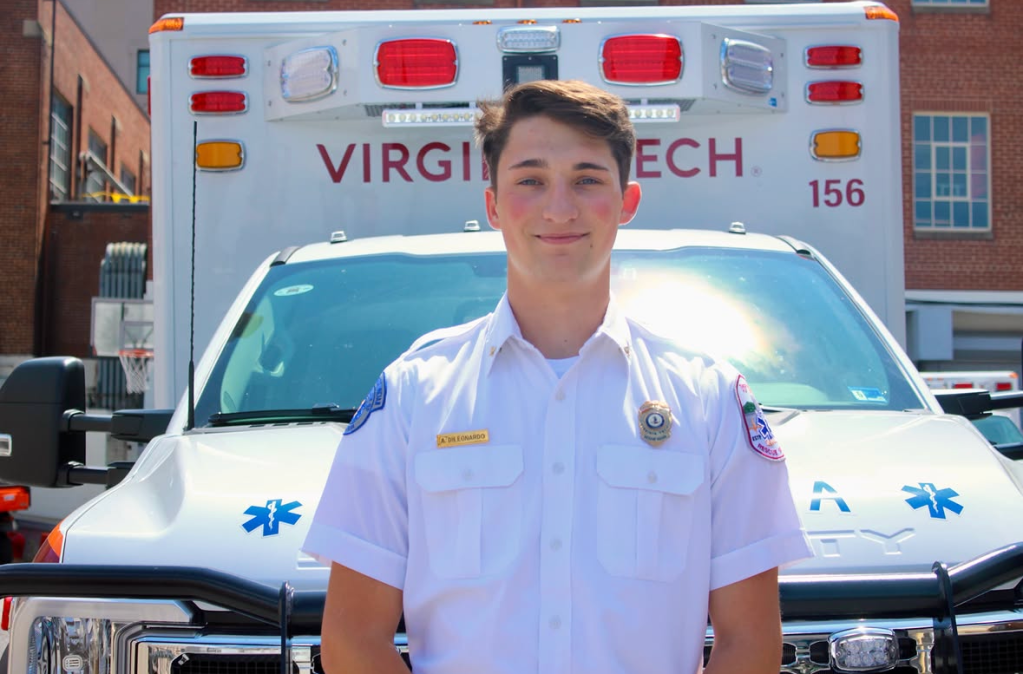
Virginia Tech Rescue Squad Chief Alec DiLeonardo, courtesy of @vt_rescue on Instagram.

For a freshman experiencing their first game day, what are the biggest safety concerns they should be aware of?

For first game day of the year for freshmen, it’s an exciting time; you’re going out, you get to experience the Lane Stadium experience for the first time. 

Some of the safety concerns that we, on a public safety side, want everyone to watch out for is obviously, a lot of people like to consume alcohol. We encourage you to be mindful, be smart, and to not overdo it. 

Hokie Wellness actually has a really good web page called Party Positive. It has a whole page of things to consider, such as choosing if and what you drink, pace yourself, it’s not a race, eat before you drink, and make sure you designate a non-drinking driver. 

So those are all things that we want people to take into account before they take a sip of alcohol. What could the potential consequences come of this if they are not responsible? This web page also talks about at what point it’s no longer just recreational drinking, and now we’re transitioning to alcohol poisoning, and when medical interventions need to take place.

If someone realizes their friend has had too much to drink, what is the safest next step?

So for us, where EMS and Rescue Squad intervene and where we get called for, on typical game days, weekends… it is a higher level of alcohol intoxication, so alcohol overdoses. Those usually are apparent if, say, your friend is now breathing abnormally. They’re breathing less than 10 times a minute. Those are things that we start to get concerned with, and where the alcohol has now transitioned from no longer just being an intoxicated state to now where medical interventions may need to be taken. 

The biggest thing too is checking for pain responses. So give them a nice big old pinch right on the traps, right above your shoulder. Pinch them anywhere. If there’s no pain response, they don’t look up at you or speak to you after that, and they are fully unconscious; that’s when we encourage people to call 911. 

Center Street is a big frenzy, and people are always excited to go there. That’s not our territory, but we do partner with Blacksburg Rescue and Blacksburg PD on that. Both of those agencies are staged at Center Street during the festivities. So if there is at any point where you feel a friend is either having a medical emergency or is showing signs of alcohol poisoning, find a police officer, find a rescue member, or just call 911.

Where should a student go if they start feeling sick or overwhelmed in Lane Stadium?

Kind of the same as if you have a friend, or you see someone in the stands or at Center Street, who’s exhibiting signs of unconsciousness, possible alcohol poisoning, or any medical emergencies that can pop up during these times. Find a police officer at any of the portals in the stadium, so the path out into the stands. There are always police officers there. 

Come to one of our first-aid stations. They’re displayed on the scoreboard throughout the game. They are also indicated by the big red star or the cross over the doors. Any of our rescue members that are with Virginia Type Rescue will be in a high-vis vest. So either a lime green or a neon orange. That indicates that we’re EMS to people. Or, again, just call 911. 

What mistakes do you see people making in their first few game days?

Overindulging or overintoxication is definitely one of the different things that we see. Some of it, too, is that they’re just not familiar with the area. So, getting lost, separating from their friends. 

We always encourage you to stick together, whether you’re in a big group or not. Say you are in a group of 10, 15 people. Make sure there’s at least one or two people in there that you are always stuck with. One of the biggest things that we see is people coming to us solo. They don’t have any friends with them. Well, we need to find someone to release them with if they’re still in a certain state. In general, we encourage everyone to stick together. That’s for everyone’s safety as well. 

With this new load-in procedure this year as well, when students enter the gates, pretty much whoever they’re standing with during load-in is who they’re going to be sitting next to. So when students are coming in through the portals to be seated into their seats, there’s actually going to be ushers putting them into rows, and whoever you’re sitting next to or standing next to going down the steps or going up the steps to your seat is who you are going to be stuck next to for the first half. Throughout the game, you can get a move around, but this is to help make load-in smoother and a lot safer for everyone as well.

What would you say to a freshman who’s afraid to get themselves or their friend in trouble by calling for medical help? 

From an EMS side, this is something we deal with on a weekly, day-to-day basis. People are worried that they’re gonna get in trouble, and they won’t tell us stuff.

If your friend needs medical attention, call. We may ask you questions that may feel like you will get in trouble for. We are just trying to understand the full situation from an EMS side, how we can better treat that patient, your friend, if something has happened to them. 

Lane Stadium cellular: The science behind game day phone signal technology

Ella Winterling, science and technology reporter

On August 24, 2026, Virginia Tech Athletic Director Brian White announced a plan to improve cellular coverage at Lane Stadium in his first address to the Virginia Tech Board of Visitors.

Cellular signal in Lane Stadium is often impacted on gamedays, with fans experiencing trouble sending text messages or making calls. A temporary solution will be put into place for the 2026 season, with a permanent solution following suit for the 2027 season.

Jeffrey Reed, Willis G. Worcester Professor and co-director of Wireless @ Virginia Tech is a professor in the Bradley Department of Electrical and Computer Engineering. Reed’s areas of research include cognitive radio and smart antennas. In an interview ahead of Virginia Tech’s first gameday on Sept. 5, Reed spoke about the science behind cellular technology and what impacts cellular signals.

What’s your background in cellular technology?

I’ve been here since 1992. I was here during the early days of the wireless revolution. Before that, I worked for a defense company doing military communications and got my PhD at the University of California Davis looking at interference issues. 
It turns out that the key problem with cellular communications is interference issues. So it was natural for me to get involved within commercial wireless. I’ve been around, and I’ve seen a lot of things.

What is the basic science behind cell signals?

The basic science behind it and the key why cellular works is that signals get attenuated as a function of distance. So the farther you’re away from the cell tower, the lower the signal. Eventually, it reaches a point where the signal has degraded in strength enough where you could have another signal, and that could be from another tower that uses the same frequency. So, unlike a broadcast network, like a TV station or a radio station, it tries to maximize its coverage. 
The cellular networks take advantage of being able to transmit in a limited region and reuse the frequencies. That gives us the ability to reuse the channels, which allows for a lot more users to be able to use the spectrum, because we reuse the channels.

Is utilizing large cell towers still the norm for cellular networks?

The big cell towers are no longer really being deployed very often. 
It’s the small systems, the indoor systems that are very small. They may repeat the size of a Wi-Fi access point or a little bit more. Those have become popular, and cell sites that sit on top of a light pole — those are very popular. However, the big giant cell sites that people see from the highway — very few are being deployed.

Is it common for rural areas to have worse signals than urban areas?

That’s very true. There’s still places in the state in which there is very lousy cell phone coverage, if it exists at all. Mostly what’s being deployed now are low power systems that add capacity to the network. So you could have more simultaneous users of the cellular network. That’s the big problem in the stadium. You know, a touchdown happens, and people want to take a picture and send it to their friends and family. Everybody’s using their cell phone at the same time. There’s a capacity limit. 

Are there other factors that would impact cell signals on a gameday?

If you’re moving or not, that could make a difference.
It depends too on the frequency band that is being used. Lower frequency bands tend to have better propagation characteristics. They can go further. They’re not as likely to be blocked by obstacles. Higher frequencies, on the other hand, you have those issues. They tend to be shorter ranges and blocked by signals. Most of the new spectrum that has been released over the higher frequency, that’s because we ran out of spectrum in the lower frequencies. 
So now we have to resort to the higher frequencies, and the propagation characteristics aren’t as good. 

Theoretically, what would updating the signal in Lane Stadium look like?

I suspect that they’re going to put more cell sites around. Even now, organizations such as Verizon bring in C.O.W.S. during a game. Cells on wheels. It’s a mobile cell site. They set it up to be able to handle the additional demand for the network. 
So they’ll probably deploy more infrastructure to be able to improve the capacity. They may use additional bands as well. 

Does the quality of the cell signal change depending on the provider?

Yeah. Generally speaking, the best provider depends on the area. I’m not gonna go out on a limb and tell you what I think the best provider is, but if you don’t have good cell coverage, you can think about changing providers. It’s a matter of how much infrastructure they have and what frequencies you’re operating on.

What is the future of cellular technology innovation?

We’re in the 5th generation of cellular now, and starting next year, we’ll probably start the standardization for the sixth generation. So, engineers will be working together to come up with what that 6G standard will be. 5G was developed with three things in mind:  mobile broadband access, ultra reliable and low latency communications and massive machine to machine communications. Mostly what people have seen, though, is the mobile broadband. We really haven’t seen much of the other applications yet. I suspect we will start to see them in 6G.

This interview was edited for length and clarity.

Jeffrey Reed in his office holding a cell phone. Photo Courtesy of Ben Murphy for Virginia Tech News.

Two Wheels, One Road: What Blacksburg Riders Should Know to Stay Safe

By Alex Guerra, Crime, Safety, and Justice Reporter

For cyclists and scooter riders navigating Blacksburg’s busy roads, staying safe means more than knowing how to balance on two wheels. Local bike shop employees see firsthand the equipment, habits, and road conditions that can make the difference between a safe ride and a dangerous one.

Blacksburg’s large college population, busy streets, and growing use of bicycles and scooters make two-wheeled transportation common around town. For many students and residents, bikes and scooters offer an inexpensive and convenient way to get around, but riders face risks when sharing roads with cars and navigating intersections.

Local bicycle shops are one place where riders can turn for advice before heading onto those roads. Employees regularly interact with cyclists and scooter riders, giving them insight into the safety concerns riders face and the steps they can take to protect themselves.

In an interview, Mason Cherrics, manager at Trek Bicycle Blacksburg, discussed the biggest safety concerns for cyclists in Blacksburg, common mistakes riders make, and what drivers and riders can do to share the road more safely.

This interview has been edited for length and clarity.

Can you tell me a little bit about your role here and how long you’ve been working with bicycles and/or other forms of alternate transportation? 


My role here is store manager at this location, so I typically do administrative work, whether that’s backend processes like budgeting or hours management. I give hours to my teams and typically serve as the communication liaison between our store and the rest of our district, which includes Virginia, D.C., and Maryland. I’ve been working on and around bicycles since 2015, so just about 11 years. I’ve only been in this role for about a year and a half, nearly two years. Prior to that, I was a service manager at a larger location and came down here for the job.

From your perspective, what are some of the biggest safety concerns for people riding bikes or even scooters around Blacksburg? 


Visibility. I would say visibility of the cyclist, visibility of the lanes they’re riding in, and visibility at different times of the day. One thing we bring up every time with any new bike sale, or with anyone interested in commuting, is lights. Be as high-visibility as possible. We even sell helmets, for instance, with attachment lights on top. If you have them on the bike, they’re down low, and a driver may or may not see them. It’s a lot easier to see because it’s up here rather than down by your waist, essentially.

What do you think makes riding in a college town particularly challenging compared to riding somewhere else? 

It’s a double-edged sword. You have a younger audience, so generally, younger cyclists will be a little bit more daring and typically may not follow into a pack or be the safest riders, and vice versa with drivers. Same idea. You may not be aware of everything around you. Additionally, people make mistakes. It happens all the time. In fact, we’ve encountered three people today alone who got hit in the last couple of days. Luckily, they’re all okay. But I think it is just a lack of time and attention.

Are there any particular situations or just places around here that you’ve noticed, like intersections, crosswalks, or crowded sidewalks that you think riders should be especially cautious around? 

Admittedly, I haven’t lived here long enough to know the exact places, but I have seen some issues over toward Prices Fork. There aren’t a whole lot of great places to ride, especially when you’re crossing over that bridge that’s back there. It’s especially difficult during that odd hour of the day when visibility starts to get lower. It’s not dark enough that you can’t see, but it’s not bright enough to see all the details either. I’ve seen some here and there up and down Main Street, but I’d say it’s pretty solid. I would like dedicated bike lanes all the way through. But, of course, I’m a cyclist. I’m going to want that.

What common patterns do you notice when cyclists have close calls with drivers?

The most common way that people get into these close-call situations is a misunderstanding of right of way, whether that’s at a traffic stop or a four-way intersection. A driver may not realize that a bike on the road is the same thing as a vehicle. They follow the exact same laws and rules. Everything is equal except for their size and their road presence. 

Are there safety issues you notice as someone who works with bicycles that you think the average person might overlook? 

A lot of e-bikes and scooters don’t have adequate brakes. There are some out there, in fact, more over time, as the industry sees this. But there’s a lot of really heavy e-bikes that do not have adequate stopping power. So if you’re cooking along at 20 or 30 miles an hour and you can’t stop, something’s going to happen, and it’s very unsafe.

What’s one piece of safety equipment that you wish more riders actually used? 


I feel like a broken record: lights. Lights. Lights. It’s one of those things that’s an afterthought for a lot of people. You don’t think you need lights until you get caught in the dark. It’s like, “Well, I’ll just never ride in the dark.” But lights are applicable to daytime use, not just at night. It’s a lot better now, but helmets are another one. For years, I knew a lot of cyclists, especially on the BMX side of things, who didn’t wear helmets, and they’ve had some really close calls over the years. Fortunately, a lot of them have learned by now. But not everyone does, and we see a lot of that clientele come through the store. They’ll make a helmet an afterthought, or they’ll say, “I’ll buy the nice bike, but I’ll cheap out on a helmet.” It’s like, do the opposite. Cheap out on the bike, get the nice helmet. You only get one brain. You can get multiple bikes. So, helmets and lights.

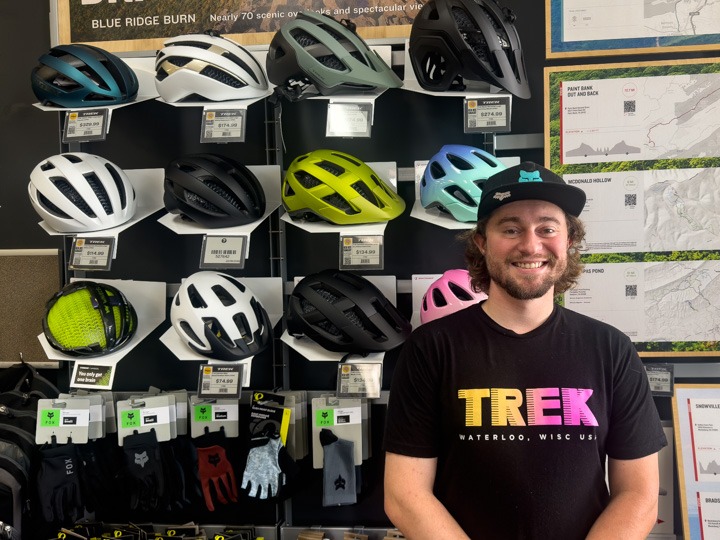
Mason Cherrics, manager at Trek Bicycle Blacksburg, stands in front of helmets at the store in Blacksburg, Virginia. Photo by Alex Guerra, 2026.

The AI shift begins, transforming student life at Virginia Tech

By Erin Bailey, education reporter

On Aug. 23, 2026, Virginia Tech News announced the launch of HokieAI, a university-supported platform designed to give students, faculty and staff access to vetted artificial intelligence tools. HokieAI aims to provide users with innovation while focusing on security and ethical use. 

Features available through HokieAI range from drafting and revising content to coding support and image creation. The platform is designed to handle all levels of data, including high-risk information.

Virginia Tech urges interested individuals to complete a training course called AI at Virginia Tech: A Primer for HokieAI. The module supports AI literacy and responsible use. 

In an interview, Carl Harris the Chief Technology Architect at Virginia Tech elaborates on how HokieAI will change higher education in the foreseeable future.

Carl Harris is the Chief Technology Architect at Virginia Tech. (Courtesy of Virginia Tech, Division of Information Technology)

His comments were edited slightly for length and clarity.

What did the process of creating HokieAI look like? 

When we decided we wanted a platform like HokieAI, we looked to see what was in the market, and we decided to do competitive procurement for it, something through a request for proposals, and that process is time-consuming. Ultimately, we started in November, maybe even as early as late October, and we had responses in, reviewed and evaluated by the committee associated with that procurement, and forwarded the contract in April of this past year.

How do you envision HokieAI changing the way students approach learning, research and creative work? 

I teach a course in electrical and computer engineering. My syllabus includes details about where you can and can’t use AI. The thing I always tell my students about with respect to this affecting the experience that you’re getting is, if you’re not having to think about what you’re doing, if it’s really just asking questions and then regurgitating responses, you’re getting no benefit from that. Part of our statements around literacy for AI is this notion that you still need to be the expert in whatever domain that is. In my course, it’s an electrical engineering topic, but you still need to be providing that expertise to ground what the AI is telling you. You still need to be applying your own judgment. AI doesn’t have a sense of judgment, humans do, and you need to be thinking critically about what it’s telling you. 

How does HokieAI’s secure, university‑managed environment change the way students and faculty can safely use AI?

Students are already using things like ChatGPT, Claude and Gemini for their learning and for their research. One of our goals with this was to create a space where students could do that, where whatever they’re putting into that tool, we know isn’t being used to train models. We know it’s not being retained for any sort of purpose by the provider. We’re the provider. While we do retain some of that data, it’s mostly because we need to from a legal perspective, not so that we use different models or share with anyone. When students need to use AI in their coursework, we’re ensuring through having this tool that all students have equal access, really regardless of their ability to pay or spend more money out of pocket. 

How do you see HokieAI reshaping the way faculty design courses, assignments or assessments? 

One of the things that we hope is if we’re providing a tool and everyone has access to it, that those universities providing solutions will inspire faculty to get more engaged, especially those that are either still on the fence, but maybe some of them are actually behind the fence. 

I can have much higher expectations for what I want students to gain out of projects, or how many projects they do, if I know a lot of the grunt work of doing those projects can be assisted with AI. It’s really rethinking higher education, thinking about what does higher education look like in the face of this very powerful tool. 

How does HokieAI position Virginia Tech among peer institutions in terms of AI leadership?

Even though there are other schools doing this, we’re still among the early adopters. Not every school out there has this capability, although it’s becoming more common because I think it’s a good decision that’s relatively affordable in the concept of universal access for everyone at the university that solves a lot of the has and have nots challenges.

How do you imagine HokieAI influencing the skills students graduate with?

The opportunities for students to ask the hard questions about what are the impacts of AI societally, environmentally, what should this mean in the course of my career? I think providing the space and the opportunities to explore and have really the academic discourse about these things is key to us. Not just grappling with it, but getting through solutions and answers to some of those questions.

Is there anything else you’d like to add? 

We had some students asking what happens to my prompts that go into HokieAI, and will my professors be able to get access to that? Asking those questions and thinking really about the implications of this is going to be a commitment that your generation is going to have to carry forward. Getting a deeper understanding of what are the implications, where could this go,  where do we not want it to go and where would we like to see it go? I think it’s really important for people in their university experience to be asking those questions.

Blacksburg school-zone cameras put student safety at center of speed enforcement 

By Hafsa Ayubi, Politics and Government Reporter

Beginning Sept. 9, Blacksburg Police will begin enforcing speed limits with cameras in school zones, including along Prices Fork Road, in an effort to keep students and staff safer as they travel to and from school.

Andrew Webb, with Montgomery County Public Schools’ Communication and Public Relations Office, said the goal is not to “write a million tickets,” but to raise awareness and encourage drivers to slow down.

According to Webb, Montgomery County Sheriff’s Office had already started a similar program in school zones in the Eastern Montgomery area, the Auburn area and along Prices Fork Road near Prices Fork Elementary. This summer, the Blacksburg Police Department installed cameras on Prices Fork and a couple of other places around town. 

The cameras only capture photos when the school-zone lights are flashing, Webb explained. Drivers should be going 25 mph through those zones, and drivers traveling a certain speed above that limit while the lights are flashing can receive a citation from the Blacksburg Police Department.

Webb said he did not have specific data or know of a particular incident that led to the program. Instead, he repeatedly came back to one goal: keeping students and staff safe. From the school side, Webb said even preventing one incident would make the program worthwhile. 

In a Sept. 3 Zoom interview, Webb discussed how the cameras work, what the school system considers success and what he hopes drivers take away from the new enforcement.

His comments were edited slightly for length and clarity.

What is the purpose of the new school-zone speed cameras? 

Blacksburg is the newest group to do it. The Montgomery County Sheriff’s Office originally started this program, setting up speed-enforcement cameras in school zones in the Eastern Montgomery area, the Auburn area and up on Prices Fork Road where Prices Fork Elementary is. 

This summer, Blacksburg and the town and the Blacksburg Police Department installed cameras on Prices Fork and, I believe, a couple other places around town. They’re aimed at keeping people safer on the roads as kids are getting to and from school. 

Was there a specific incident or speeding data that led to the program? 

No data that I have, but anytime we have an opportunity to do something to keep our students and staff safer as they’re headed to and from school, we’re going to take advantage of it. 

We support the Sheriff’s Office and Blacksburg Police Department for pulling this off and helping keep our kids safe. 

Could more Blacksburg schools get cameras in the future? 

I’m not sure. Right now, I know the majority of them have these cameras. I think the only ones that we’re really missing would be Harding Avenue and Margaret Beeks Elementary. 

I think the rest of them are covered by the current setup. 

How do the cameras work, and are they different from Flock cameras? 

Correct. These work where they’re only going to capture photos when the lights are flashing on the school zone. You should be going 25 through those zones anyway. 

If you’re going a certain speed above 25 while those lights are flashing, you’re going to get a citation from the Blacksburg Police Department. 

Blacksburg, Va., Sept. 3, 2026 – Andrew Webb poses for his official Montgomery County Public Schools photo. Photo: Montgomery County Public Schools.

What does success look like from the school side of the program? 

I can’t necessarily speak for the police department, but for the school side of things, success is just anything we can do to keep our kids safe. 

If we can save one life, one incident happening, we’ll take that opportunity anytime it’s presented. 

Is the goal more about giving tickets or getting people to slow down? 

That’s essentially what the goal is, to keep people safe. The way we go about that is by enforcing speed in our school zones. 

Like I said before, if we can do anything to protect our kids, we’re going to do it. I don’t think the goal is necessarily to write a million tickets. I think it’s more so just awareness and really just keeping everybody safe who’s traveling down those roads. 

How involved was the school system in putting the camera program together? 

Honestly, we didn’t really have anything to do with it. The town and the police department, I think, found a company who specializes in this, and they partnered and made it all happen and just stuck them up in front of those school zones. 

Have you heard any feedback from parents or the community about the cameras? 

I haven’t heard any public feedback specifically to this program in general, but safety’s our number one priority. 

I think the community recognizes that we’re doing our part, or making sure we can do everything we can to keep our kids, staff and everyone who’s in our buildings as safe as possible. 

What is the biggest thing you want drivers to remember? 

Just mind your speed as you’re going down Prices Fork and traveling through town whenever you see those lights flashing. 

Just know that we’re trying to get our kids to and from school as safe as possible. We want everybody to be able to have a safe trip to and from school. 

A Letter to Incoming Hokies

What’s the secret to a successful Hokie experience? Although the answer is not concrete. Dr. Buddy Howell and Emma Treptow give their insight.

By Allera Bee, education reporter

Emma Treptow who once benefited from the HUG program now serves as a HUG leader as an upperclassman. Credit: Emma Treptow 

Four years seems like an eternity until you’re walking across the stage and receiving your degree. College is a massive hurdle that many who are lucky enough to have got to overcome. But what’s the secret to a successful college experience? Many have come in and out of college with both fond memories and regrets. It’s a transformative period in life when you balance an education, social life and for many living on your own for the first time. 

It’s often easy to forget that college is one of the most connected times of your life. There is an entire staff directory book hired just to help you thrive. I spoke with Dr. Buddy Howell, Director of the HUG program, professor and advisor at Virginia Tech, as well as Emma Treptow, an upperclassman HUG Leader, on what students most often regret, wish they did differently, and overall, the secret to the Hokie college experience.

There is an overwhelming amount of information to learn during college, and many find this out much later in their career. There are things that students, peers, and faculty wish students understood earlier. Dr. Buddy Howell, from his years of experience, explained that one of the greatest things students take for granted is their relationships with peers and professors. How crazy is that? Something so simple yet so imperative could be taken for granted. Both Dr. Howell and Treptow agreed that it’s often as easy as looking around the class you are in and introducing yourself to the people sitting next to you. In every class students take, there are at least a dozen peers in that very class who joined for similar reasons. Whether it’s because they need to get credit for a pathway, it piques their interest, or they need it to graduate. Something as simple as ‘intro to public speaking’ could lead you to a meaningful relationship. Not only do these connections create relationships, but they also introduce a sense of belonging. Especially at a large institution like Virginia Tech, smaller communities are anchors that make Blacksburg a home away from home. 

In many departments, you have classes with a group of people throughout the four years. The positive of this is that you have the time and opportunity to cultivate relationships with these familiar faces. However, “You don’t actually get to know those people if you aren’t creating conversations,” Treptow added. It’s often a go-to move in today’s society to stare and scroll on your phone before class or in the halls, but it’s not proactive. Relationships form when you are present and focused on what’s happening and who is around you in the moment, rather than what’s on the screen. Even in today’s day and age, when we are as connected digitally as we are physically, many believe that there is still opportunity in the present moment. Acting in the present moment also creates confidence during a time when many are lacking. 

Next to relationships and people, college allows students to connect, network, and learn at the highest level. However, funny enough, many of these resources only come through people and relationships, as Dr. Howell explained. Although the faculty and student leaders almost make students’ heads explode with information at the beginning of the year, they are there for a reason. Urging students to get out there because they’ve seen what it looks like three years down the line when they don’t. Trying to help you in and out of class because they care about your success. Although the main goal of college is to get a degree, faculty and student leaders want students to find their passion, gain experience, and be prepared for their future as well. For some, they are wired naturally with a fire for future success; Applying to jobs, drafting resumes, and preparing for the future. For others, creating their own motivation is entirely foreign. School is no longer about simply passing and attending your classes. On the other side of four years is the start of a career. The good news is, you are not expected to do this entirely on your own. Career and Professional Development is just one example of a service that so many students regret not accessing sooner. Whether it’s because they think they’re shy, unbothered, or unready, so many wait or never access these services. Another one is Handshake, which is an app that allows students to browse jobs, internships, career events, and employers. The app’s job search also highlights any employers who are Virginia Tech alumni. From jobs at the Blacksburg Farmer’s Market to research coordinator positions across the State, Handshake is a student’s spot for experience. It takes a single email or conversation to learn about a potential resource. “Even if you don’t start using them, at least go online and get familiar with what’s available,” as Dr. Howell said. When students make themselves aware of what is available to them, they don’t have to scramble in a time of need. When it’s time to apply to a graduate program or interview for a research position, they are familiar with which site or service will be the most helpful. 

Although students must go out of their way to access CPD or Handshake, they automatically interact with their professors weekly. Treptow is in her Junior year and explained the importance of connecting with professors early on. Something as simple as a conversation after class or in office hours could spark a relationship that opens doors. It also shows your faculty that you are interested and that you care. “Realize how much professors are there to help you,” is a piece of advice that Treptow gave to incoming students. Professors either majored in, studied, or researched the topic they are teaching, which makes them experts. Not only this, but they also most likely know faculty and employers in their field, along with what they are looking for, having been in that position themselves. The profession that they chose also deals directly with service to others. Whether you think they are there to help or not, they are. Though it can be intimidating and requires some bravery, as Treptow said, it’s important to form these connections now for your future self.

“Realize how much professors are there to help you.”

Buddy Howell has served as Director of the HUG program, an advanced instructor, and advisor during his time at Virginia Tech. Howell is committed to learning and service. Credit: Buddy Howell 

The minute you step onto campus, life moves a mile a minute, and all of a sudden, you have to survive somehow. In these moments, it feels like you will never be able to get used to this new life or get settled enough to focus on your goals. Many panic realizing their responsibilities now include school, becoming independent, and a social life. “Be patient, be present, and be brave,” Treptow said. At the end of the day, each resource listed above boils down to relationships. From your orientation group to your dorm room hall, college surrounds your world with people. How each student chooses to use this to their advantage is up to them to decide. 

As Dr. Howell said, “It’s about people, and it’s about relationships.” Each student is in a program, dorm, or LLC that has something for them. Each niche interest students have is likely covered on campus in some capacity. The School of Communication, specifically the HUG program, is designed to help students transition into life at school before the semester begins. This program has been so impactful for students that many go on to become HUG leaders after Freshman year. 

Ultimately, there is no secret recipe for success in life or college. However, as Dr. Howell and Treptow discussed, the college experience is fundamentally about relationships. With that one note in mind, incoming students have the key to their full potential. College is an opportunity to find an all-around, deeper understanding of yourself. That includes emotionally, socially, and mentally. However, as mentioned before, we cannot do this on our own. For centuries, humans have been helping humans, and this is how we got to where we are today. 

“Be patient, be present, and be brave. ”

It’s important to start to invest in yourself and notice the people around you who already are.

Exploring the World War 2 Museum of the NRV: an Educational and Immersive Experience

By Jacob Jenkins, The News Feed NRV

Joseph Collins, a local veteran, has made it his mission to educate others about the significance of World War 2. Throughout his life, he has collected memorabilia from family members and friends alike. After hosting a field trip experience for a local Blacksburg middle school with his own collection, Joseph knew he had found his calling. On this D-Day, we explore how through this museum, he shares stories, keeps memories alive, and conveys the importance of the greatest generation.

Barriers to food access in the New River Valley 

By Josie Sellers, health and wellness reporter 

Food is something most of us never think twice about. But according to the Community Foundation of the New River Valley (NRV), roughly one in ten families in the region struggle to get enough to eat. The nonprofit says food insecurity here stems from a tangle of overlapping causes, and that tackling it requires just as many solutions. 

In the NRV, there are many reasons why a person or family may be considered food insecure, and many times, they are intertwined.  

“Food insecurity is such a complex issue in and of itself, but if you’re experiencing food insecurity, it could be that that’s a chronic issue for you, and maybe you’re dealing with an illness, or you can’t afford childcare,” said Community Foundation of the New River Valley Assistant Director Lindsey Gleason-Reed. “So often, you don’t see just one issue. You see many interconnected issues.” 

In the NRV specifically, a lack of transportation contributes largely to food insecurity. In the region, 6% of residents lack a vehicle and more than half live more than two miles from a grocery store. Also, rising gas prices can cause financial strain. This limits not only access to food in general but also access to nutritious or culturally appropriate foods, meaning foods that align with a person’s cultural identity. 

“It’s really hard for somebody who doesn’t have stable housing to think about food preparation, meal preparation and eating healthy when they just need to get something to sustain them,” said New River Health District Director Noelle S. Bissell. 

However, a lack of healthy food can lead to chronic health issues like obesity, heart disease, diabetes and high blood pressure. In addition, it contributes to mental health problems such as anxiety, depression, sleep disorders and eating disorders.  

Another consequence of food insecurity is that it can be hard for people to complete their everyday tasks when they are hungry. 

“If you are a child or a college student, either in school or on campus, and you don’t have access to food or you’re hungry, it’s hard to focus,” said Virginia Tech research assistant professor Sarah Misyak. “It’s hard to study. It’s hard to be as productive at work.” 

In the region, there are initiatives designed to combat food insecurity. For example, food pantries and donations provide nourishment and meals. The Market at Virginia Tech provides food for students who need assistance, and it also offers times when anyone enrolled in the institution can come to get non-perishable items.  

One of the largest organizations working to address local food access issues is called Thrive. Thrive is a network of food organizations in the NRV, including “farms, food banks and pantries, community gardens and meals programs.” By working together and sharing information, they try to maximize the amount of food they can give to those in need. In addition, they hold monthly workshops for their nonprofit partners and give out grants designed to optimize their work. 

“There’s a lot of different ways to distribute food, but what we’ve seen for a long time in this community is how collaborative everyone is,” said Gleason-Reed. “So, people want to help one another. They want to share ideas.” 

Bissell emphasizes the importance of helping those in need without judging them. 

“Those in health care who are decision makers and policymakers are the very people who stigmatize the most marginalized populations the most,” said Bissell. “So, those folks tend to get forgotten, and certainly those with substance use disorders. We kind of vilify or criminalize those who have issues with substance use. Same thing with those who are homeless. We tend to kind of judge them and say that it’s through their own making, their own doing, that they end up homeless, when the reality is that a lot of these folks are dealing with so many generational issues.” 

There are certain methods of distributing food that make it more likely that people will use their services. The more convenient it is to get food, the more likely it is that people will come. People also tend to enjoy having a say about the kinds of food they receive, so some like going to places with more choices. People are also more likely to go somewhere they feel a sense of community. 

Additionally, some places require more documentation to receive help than others. For example, some organizations need to see a pay stub, while others will give anyone food who says they need it. However, the more documentation required, the more barriers to accessing food. 

Many Americans are only one financial emergency away from being food insecure. According to a Federal Reserve poll, 13% of Americans would not be able to cover a $400 emergency, and many others would struggle to pay it. 

“It could be any one of us,” said Bissell. “Maybe you just lease a really nice new car, and you lose your job, and then you drive up to the food pantry and people think, ‘Well, why is this person here?’ And it’s because you don’t know their story.” 

According to Misyak, recent changes to the Supplemental Nutrition Assistance Program, SNAP, will impact many citizens’ ability to get food. Previously known as food stamps, the programhelps about 42 million Americans buy food each month, or about one in eight. 

“When you increase the administrative burden to apply for SNAP, that is effectively a way to kick people off of SNAP,” said Misyak. “So, you’re going to see huge changes across the country, and we’re already seeing them in some states where millions of people are losing access to benefits to help supply food.” 

In 2025, federal budget negotiations included proposals to reduce funding for SNAP and tighten eligibility requirements. These proposals would expand work requirements for some adults and increase documentation requirements, which changes critics say could make it harder for eligible individuals to receive benefits. Some proposals also sought to narrow eligibility for certain non-citizens. 

“People are going to have all these benefits cut, and the benefits weren’t that great to begin with,” said Gleason-Reed. “People are not living large on these benefits. So, the fear was with our pantries, was ‘Are we going to be able to help people?’ We think that there’s going to be a flood of people. Anecdotally, what folks have told us is we are seeing more people serving more people than ever, and we’re finding ways to make it meet, but I think so many organizations are stretched to capacity, and they need more volunteers.” 

The Urban Institute estimates that 5.4 million Americans will be affected. In Virginia, families could lose an average of $112 in benefits each month, limiting their ability to feed themselves. 

“People want to help one another.” 

To try to keep up with the demand for food, food pantries in the area are working together with other organizations like Thrive. In addition, individual volunteers provide help. For example, Pearisburg resident Charlie Herbert started the Giles Community Garden in his backyard. 

Herbert grows food in this garden and, with the help of volunteers, delivers truckloads of food multiple times a week to organizations around the region. Since 2024, he has delivered over 124,000 pounds of food. He emphasizes the need for help as SNAP benefit reductions leave more people struggling to afford food.  

“It could be any one of us.” 

Ending food insecurity involves more than just providing meals. It means reducing stigma, improving transportation and expanding access to local support.  

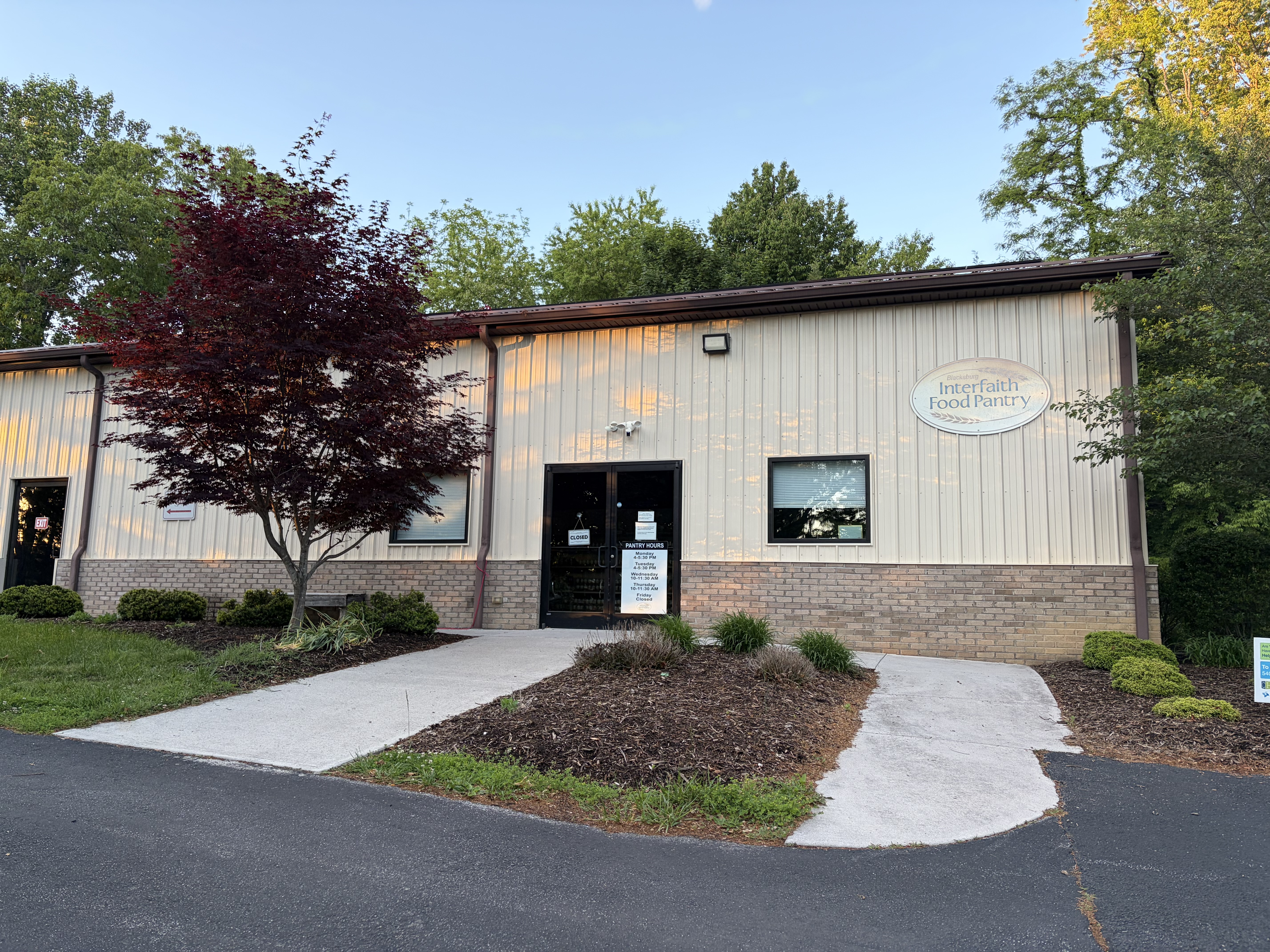
Volunteer opportunities are available throughout the NRV, including through the Agape Center, Blacksburg Interfaith Food Pantry and Feeding Southwest Virginia. 

“It can feel like sometimes you’re like, chipping a little bit of ice off of this massive iceberg, but when you’re all chipping away together, it feels like it feels good to have those little wins likehelping a family or a student get food,” said Gleason-Reed. “And sometimes that’s all you can do within the structure that we’re living in.” 

Residents seeking food assistance can find local resources through the NRV Food Assistance Directory, which includes food pantries, churches and other organizations throughout the region. 

Aging in America: how research, planning and community support are reshaping care for older adults

by Hayden McNeal, health & wellness reporter

Growing old is inevitable, but how people care for their bodies and prepare for later life can greatly affect their quality of life as they age.

Researchers studying gerontology have identified common factors that influence health and wellness as people age. Researchers and retirement facility employees said health and wellness are crucial factors in maintaining happiness later in life., but many disregard preparation when it comes to moving onto the next step for individuals’ lives. 

“I think having a plan in place as to what you’re going to do when you get older is really important,” said Sara McCarter, project manager and volunteering and academic partnership coordinator for Warm Hearth Village, a retirement community in Blacksburg, Virginia. “I see a lot of older adults who just didn’t want to do that. They wanted to stay in their homes and they thought they would just stay there. Then you get caught off guard. I see a lot of people scrambling to find places for parents that are going straight from independent living to needing full-blown health care, and that transition is not there. Assume that you might need some help, and put that into your planning. I would say plan, plan, plan.”

A major stressor in aging and long-term care is a lack of planning. Individuals and their families often don’t think about what to do when the time comes for a loved one to seek assisted care or a retirement home. 

“I think we often see that family members don’t talk about kind of the what if,” said Dr. Karen Roberto, university distinguished professor and executive director for the Institute for Society, Culture and Environment and senior fellow at the Center for Gerontology. “I think family members often don’t talk to each other. A lot of assumptions are made. If they’re in a scenario of a parent who’s going to need some care. There are often assumptions about how that family system works? How do they deal with expenses? Economics comes into play. How much does the older adult qualify for services? Is that something out of pocket? Do they have enough funds?”

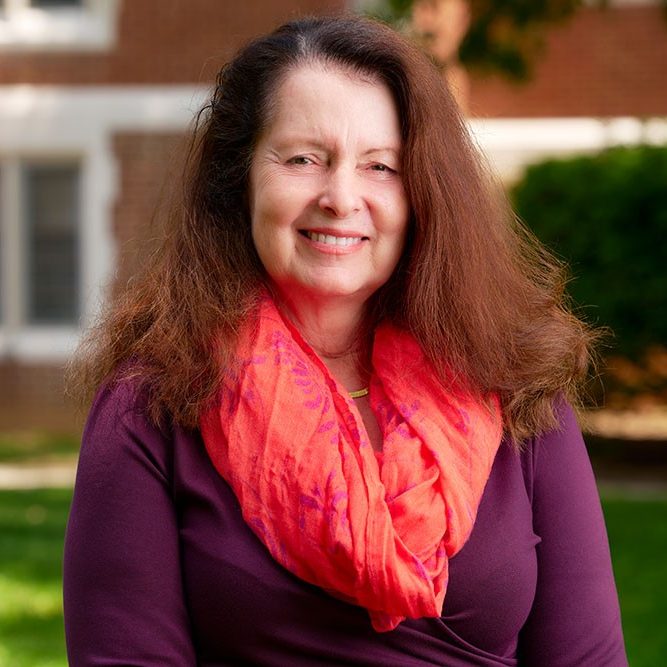
A photo of Dr. Karen Roberto, university distinguished professor and executive director for the Institute for Society, Culture and Environment and senior fellow at the Center for Gerontology. Blacksburg, VA. (courtesy of the Center for Gerontology.)

Expenses for retirement communities like Warm Hearth are an unexpected burden until people reach the age of retirement. Warm Hearth itself is a model for ideal retirement living and care. There are currently 600 residents living at the retirement community and 400 on the waiting list. It ranges from a close-knit community of 115 townhomes to late-stage hospice care. This level of senior care is not a common sight to see when it comes to retirement options. With this level of amenities and care, Warm Hearth can cover many different situations depending on the resident. But this level of care comes at a cost. McCarter believes that this will become a big issue for the younger generations when they reach the age of retirement. She said she doesn’t see younger people saving like the current residents did when they were young. 

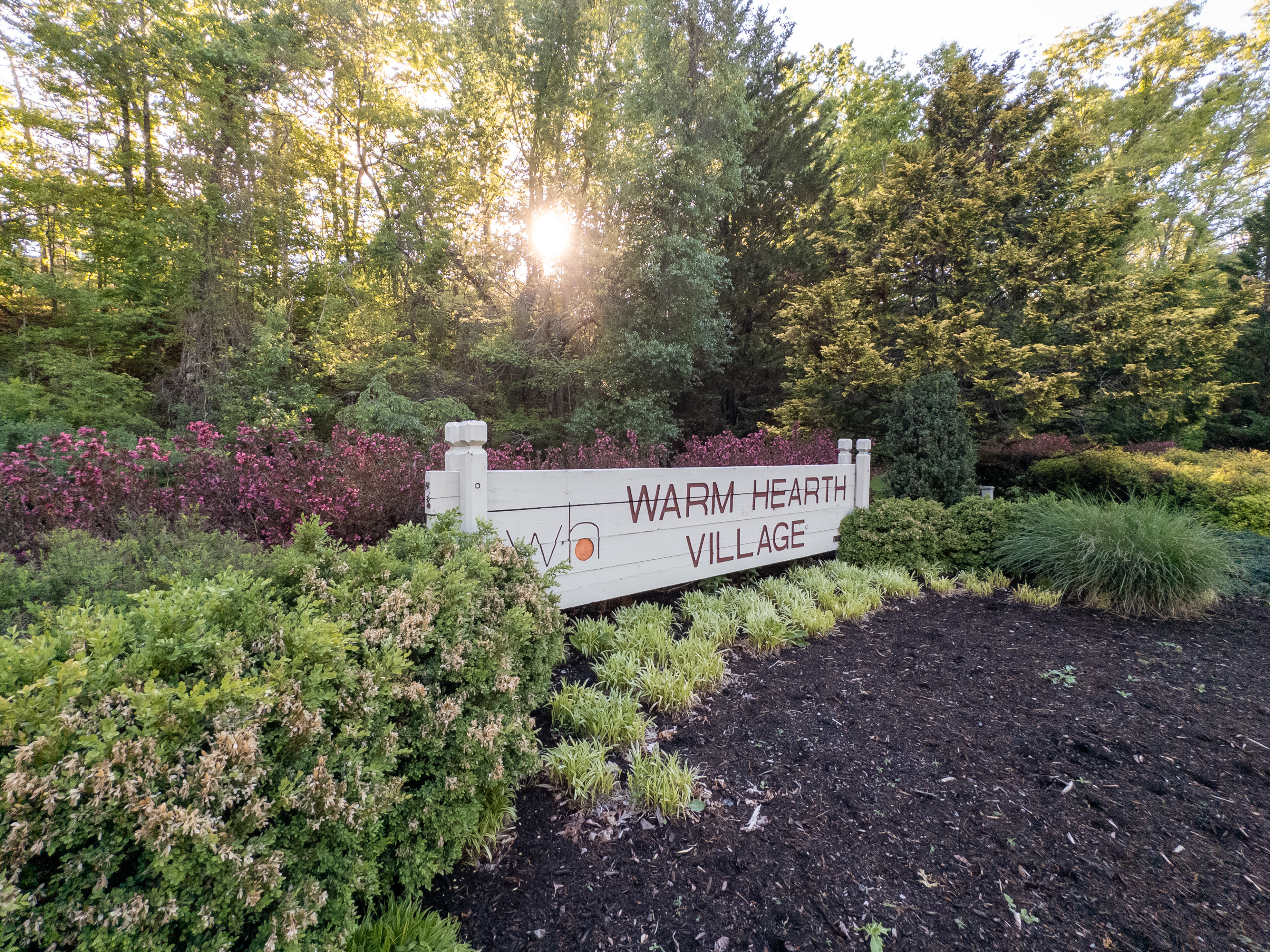
Warm Hearth Village welcome sign. Blacksburg, VA. May 11 2026.

Even though expenses seem to be the biggest issue when it comes to senior living, there are still some unmet needs that still stand out when caring for the elderly community. Dr. Roberto noted that transportation is a common issue that most retirement centers disregard. Many elderly citizens have their drivers licenses taken away when their motor functions start to deteriorate. But when they are placed in these centers, there are often not many ways for them to get around.

Dr. Roberto claimed that another big issue facing senior care is mobility. Often with in-home care, what seemed to be an ordinary trip from one side of the house to the other is now a major obstacle for older adults. McCarter noted that this is front-of-mind when looking to design new additions to Warm Hearth Village. There must be options for two feet, wheelchairs, and walkers at every part of the facility. 

“Throughout our adult lives—and especially in the latter part of our lives—having certain conditions doesn’t necessarily mean we’re going to develop dementia or experience physical health problems to the point that we need care,” Dr. Roberto said. “However, it really does help to be in the best possible physical, mental, and emotional state that we can be.”

It is a widely accepted fact that exercise and a healthy diet are not only good for you, but can prolong a healthy life well into your later years. A study by the National Institute of Health shows that adults 40 and older found that taking 8,000 steps a day compared to 4,000 a day was associated with a 51% lower risk of death from all causes. Simple habits people can do in adulthood can greatly improve long-term health. The National institutes of Health also revealed that a healthy diet not only will help in weight, but also brain function. This can be helpful in prolonging any signs of neurological disease.

“You are more susceptible, over time, to disease. It’s called cellular wear-and-tear theory,” said Dr. Pamela Teaster, a professor at Virginia Tech and Director of the Center for Gerontology. “As you get older, you are more vulnerable to things because you have less ability to fight them off, right? For example, if you get a cold in your 20s, you probably feel awful for some days, and you’re okay. If you get a cold in your 80s, it could lead to pneumonia that could kill you.”

A photo of Dr. Pamela Teaster, a professor at Virginia Tech and Director of the Center for Gerontology. Blacksburg, VA. (courtesy of the Center for Gerontology.)

Cellular wear-and-tear can also be stalled by exercise, a healthy diet, and keeping stress levels down. Dr. Teaster remarked that cellular wear-and-tear theory could be seen with the impact of COVID-19. With the younger generations, they were able to fight it off more easily. However, as you looked towards the older generations, it became more detrimental.

According to McCarter, Warm Hearth was one of the last nonprofit retirement communities in the country to get COVID-19. She claimed that the COVID-19 lockdown was a hard time for Warm Hearth. Social interaction is very crucial to residents’ physical and mental well-being. She saw that in a social setting, being around people made residents battling illness have more will to climb faster. However, the isolation of lockdown made their will weaker to fight to get better.

“We’ve sort of had this epidemic of loneliness and isolation during the pandemic,” Dr. Roberto said. “We’ve been paying much more attention to that and how that can really help a person maintain their quality of life while living with dementia. We don’t have anything that’s going to stop it there, but we can make life better for the individual and maybe slow the progression. This could be with stimulated conversation and doing activities that they like to do. That can be really helpful.”

According to the American Brain Foundation, chronic loneliness is a significant risk factor because it accelerates cognitive decline, triggering brain inflammation and increasing the risk of dementia by up to 60%. It may not seem as obvious as exercise and diet, but human interaction could also be a way to keep “cellular wear-and-tear” at bay.

Over recent years, there has been a real shift in the advancement of retirement living and care. Dr. Roberto says she’s been studying aging for a long time. She remembers when all you could do at senior centers was play bingo, but now there’s much more you can do. She has seen an array of different activities pop up that weren’t common or did not exist at all in the retirement centers in the past. She has seen health fairs, computers and computer classes for those older adults who are not tech-savvy, and much more. Dr. Roberto compared current senior living facilities as more of a college lifestyle, where people are living with people their own age and having many activities to do.

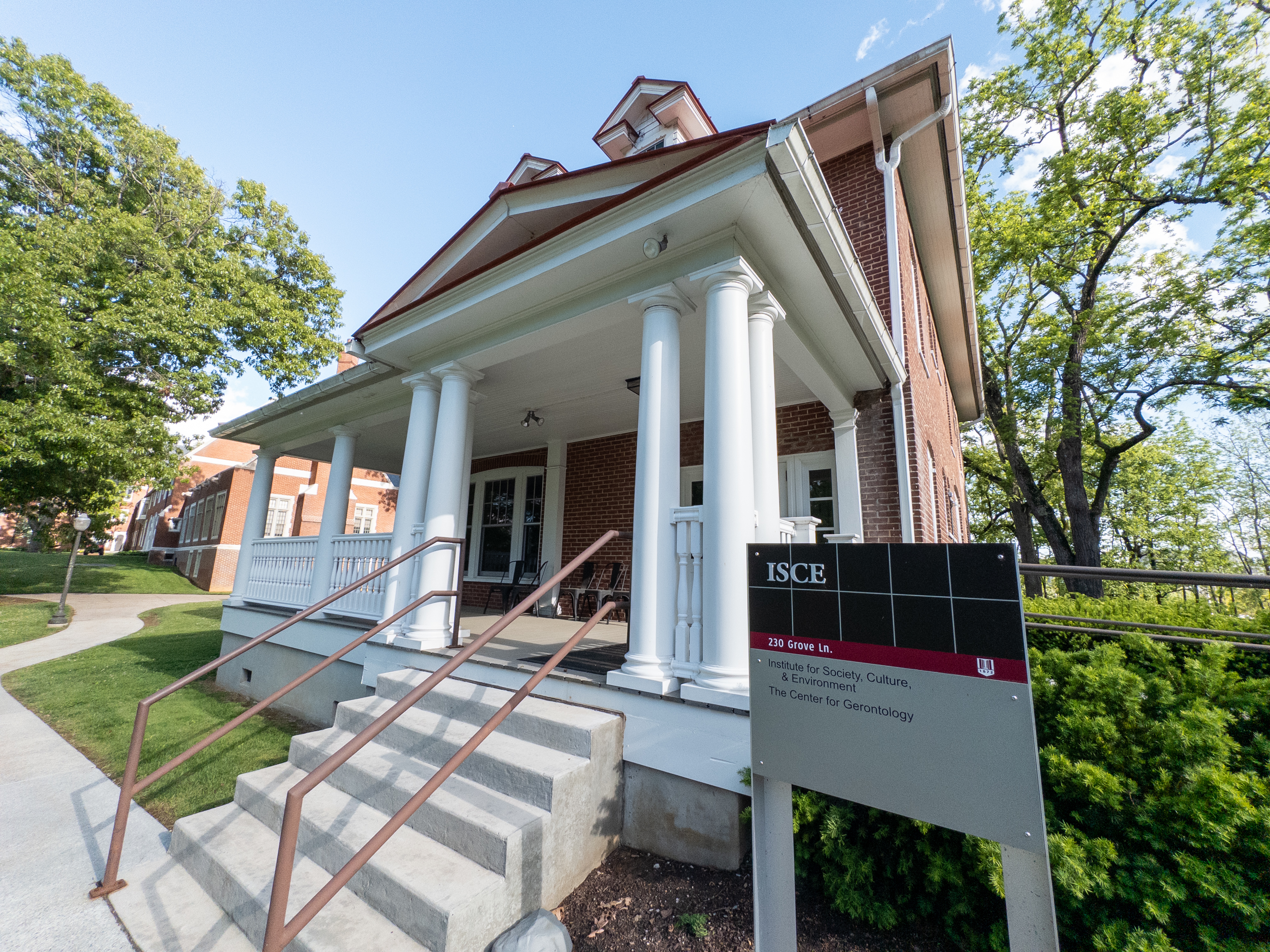
The Center for Gerontology at Virginia Tech. Blacksburg, VA. May 11 2026.

McCarter has also witnessed improvements and been working towards implementing improvements at Warm Hearth. She noted that one of the biggest improvements they have made that has changed residents’ lives for the better is more natural light and bigger windows. It sounds simple, but McCarter has seen it increase their quality of life and overall happiness. 

With all these improvements, the remaining challenge may be encouraging older adults and their families to “plan, plan, plan.”