
By Anastasia Simonenko, arts, culture and sports reporter
A place for more than just a daily workout — a studio with opportunities beyond the classroom. See how students at Virginia Tech are turning a job into something more.
By Anastasia Simonenko, arts, culture and sports reporter
A place for more than just a daily workout — a studio with opportunities beyond the classroom. See how students at Virginia Tech are turning a job into something more.
By Erin Bailey, education reporter
This video explores how social media is prevalent in education. Classroom learning can contribute to both career and individual success, shaping the future of job opportunities.
By Taylor Berenbaum, health and wellness reporter
Keeping up with everyday responsibilities can be another challenge for busy college students. Taskr, a new app built around students helping students, connects Hokies who need a hand with everyday tasks to other students looking to earn money on their own schedules.
by Aidan Edelson, health and wellness reporter
The phrase “Freshman 15” is a widespread saying in college lore. See the truth and lies behind the term, and how to stay on track during that first year of college.
“The Freshman 15” is an intimidating saying in college pop culture. But it’s not really about the weight a freshman gains. It’s about the lifestyle changes that happen when someone goes away to college. Being in charge of yourself and your own habits for the first time can be tricky. Paying attention to nutrition and physical activity can become an everyday staple for some and an afterthought for others.
To sort out the true and false, Kasey Giles, a dietetics intern at Virginia Tech, and Charles Chalmers, a certified personal trainer, share advice and facts that can help freshmen start on the right foot.

Simply put, the “Freshman 15” is a total myth. According to Kasey Giles, “There’s really no peer-reviewed evidence that supports a mean weight gain of 15 pounds during the freshman year… the research really shows it’s like two to five pounds.” She went on to discuss that it varies from person to person. Some will gain weight, some will lose weight, and some will maintain their weight.
When asked about the pressure to stay physically active to avoid weight gain, Charles Chalmers said, “It really starts with your diet, if you’re making good choices. It’s like alcohol. If you drink alcohol, you get a little tipsy; you’re gonna make bad choices. You’re gonna eat whatever’s available, so I don’t know if it’s a stigma, thinking you’re gonna get fat because of that. But more or less, you guys are still growing. Your body’s changing rapidly, your hormones are adjusting, all that comes into it.”
It’s important to remember that freshman year is a time of change. The number on the scale might change, but there are a lot of factors that play into that change. So although the number 15 is not as significant as the saying suggests, the changes freshmen experience to their body and habits are real.
Much of it boils down to one thing: the newfound independence freshmen have. For a lot of students, college is the first time they are making food decisions for themselves on a daily basis. And now they find themselves with more options than ever.
“College is a major transition for most students. You’re learning how to feed yourselves often for the first time, unrestricted. And you begin to make those independent food decisions, and that’s just a big transition. Dining halls offer greater access, variety, and availability. And that’s new for a lot of students,” Giles said.

That new freedom doesn’t always mean students will make the right choices. It can also open the door to unhealthy habits that can cause more harm than good.
“It’s hard because when you enter college sort of with the voice in the back of your head that you don’t want to gain the freshman 15, students can quickly find themselves restricting what they eat. Changing calories, counting calories, weighing themselves, participating in unhealthy habits. And I think that narrative can be really damaging,” Giles explained.
When students come to college, it’s on them to try to have a routine. There is much less structure than in high school. Although that allows for more spontaneity and freedom, it can also be hard to adapt and create the structure needed to eat well and stay physically active.
Chalmers chimed in on this by saying, “A lot of people eat bad because they don’t have the time and the structure in their life to make healthy choices. Plus, you have the dining halls, top tier, and you have friends that you’re hanging out with, and you’re drinking, and you’re making bad choices. And one thing leads to the other, and you fall out of shape, sleeping a little too much, not moving around, and it’s very easy to put on the pounds.”
Giles agreed that finding structure is hard, but suggests a different approach. Don’t focus on finding the perfect solidified routine. Focus on your mental stability and sustainability. “I think something that a lot of college students find themselves struggling with is routine, and routine is just not normal for college students. I think it’s less about focusing on the lack of routine and more about focusing on your mental health and your mental stability and understanding that it’s unlikely you’re going to be able to eat a quote-unquote regular diet. So it’s focusing on those habits that are gonna support your overall well-being. If you’re able to at least eat a regular breakfast, that is a starting place. Or, when you do eat inconsistently, ensure that your plate has variety; ‘eating a colorful plate’ is what we like to say. It’s an easy starting place.”
So how can students create healthy physical fitness habits? Chalmers says it doesn’t take hours in the gym every day. “At least three days a week of hardcore [exercise]. I’d say, anywhere from 45-minute to 60-minute sessions. But also, it’s what’s outside the gym. What takes place outside, whether they’re making good choices; rather than riding the bus, if the weather’s good, they should be walking. Anytime you can ride a bicycle, jump on a bicycle; it’s a better choice than a scooter. Anything that you can do.”
For freshmen looking to stay on the right track, remember it’s not about avoiding the “Freshman 15”. It’s about understanding that changes will happen and building habits that are healthy and sustainable.
By Caroline Garcia, art, sports, and culture reporter
On a college campus where many are focused on academics and building a resume, one club wants to help the physical and mental wellness of women, building them up and bringing them together outside the classroom.
The Virginia Tech campus is home to two sizable gyms with all of the equipment one could ever need and more. Some students come into college as avid gym goers, whereas others might be stepping into a gym for the first time.
Despite previous knowledge, stepping into a new gym can be intimidating, or not having a gym buddy can be discouraging. CHAARG, a workout club at Virginia Tech, is working to curate a welcoming, inviting environment for women at Virginia Tech to workout together without judgment, expectations, or prior knowledge.
CHAARG (Changing Health Attitudes + Actions to Recreate Girls) is a national health and fitness organization that operates as a student-run club with hundreds of branches at colleges and universities across the country. The organization was founded in 2012 at The Ohio State University with the motivation of helping women to become more comfortable in the gym while also being able to have fun.
The Virginia Tech chapter was founded a few years ago, and has grown in size with over 100 members currently. Girls can become members of CHAARG, where they are exposed to a range of workout opportunities. Members are invited to join weekly group workouts, small group bonding activities, and social events. Workouts vary from week to week, exposing members to all different types of workout classes, including boxing, dance classes, weight training, running, and more.
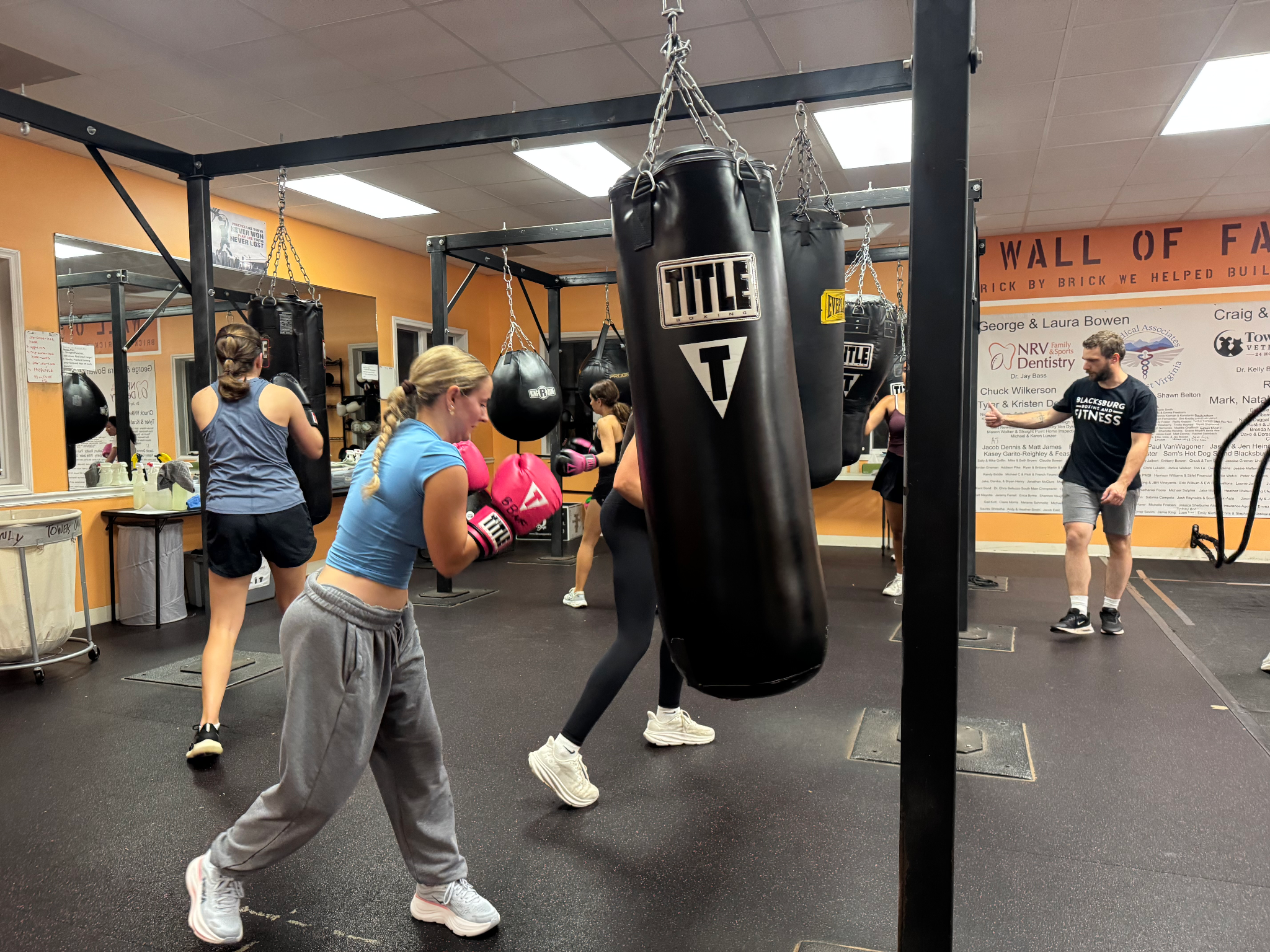
Event coordinator for CHAARG, Alisa Calabro during a group workout at Blacksburg Boxing. September 15, 2026. Photo by Caroline Garcia.
The group element also brings a new smaller community of women to have fellowship with on a large campus. Alisa Calabro, the current event coordinator for CHAARG, shares her insight on the community CHAARG provides: “I really just like that it is a women-based community. The founder of CHAARG created workout groups so that you could try new things without having to feel judged or intimidated by gym bros grunting and screaming at the gym. We’re a community where you’re more comfortable being yourself around other people who you know are not going to judge you being there. It’s nice. Everyone’s so nice.”
“You know nobody’s looking. We’re doing jazz dance soon. I’ve never done jazz dance before and I can’t dance, but I go to these things knowing they’re not going to laugh at me or anything, and I can just try it and be free to do so. So it’s pretty cool,” Alisa added. “Another new thing we have this year is a run club — this is just additional stuff, because really the biggest thing we’re trying to do is make campus a little less intimidating.”
The weekly large group workouts exist to bring women together, while the small groups create even more intimate groups where real friendships and connections can develop. The small groups are structured where girls can sign up for a time slot that works with their schedule, and they are assigned a weekly slot with the same girls each week. The smaller groups allow girls to make deeper connections with each other by having consistent meetups to participate in a fun activity or just hang out with one another.
The club doesn’t just want to help women workout, but help to create a space for women to meet each other and broaden their horizons. “The group workouts challenge girls to try new workouts without feeling pressure or intimidation in a new environment,” said Halla Baugher, the vice president of media for CHAARG.
Aside from exercise, the leadership team is working hard to ensure that CHAARG focuses on a comprehensive scope on wellness. This semester, the club is bringing in health experts to speak on how food and exercise work in tandem — assuring members feel strong and energized for their workouts.
“The leadership team, we’re prioritizing staying healthy,” adds Calabro. “This year we’re trying to add in a dietician to come speak with us, so that no unhealthy habits accidentally form through a college fitness group. We think that’s very important.” With 50% of teenage girls participating in disordered eating behaviors, this education is more important than ever.
Accessibility is a pillar of what CHAARG is working toward. While making working out with new people more accessible, they also help to make classes more accessible financially. Many studios that host events with the club charge hundreds of dollars for memberships or individual sessions. In CHAARG, the women will pay an affordable fee in dues for the semester, which will cover all weekly classes that otherwise would add up quickly in price. The national organization also has grants where applicants can have their dues covered or dropped significantly, because they want all women to be included in the community.
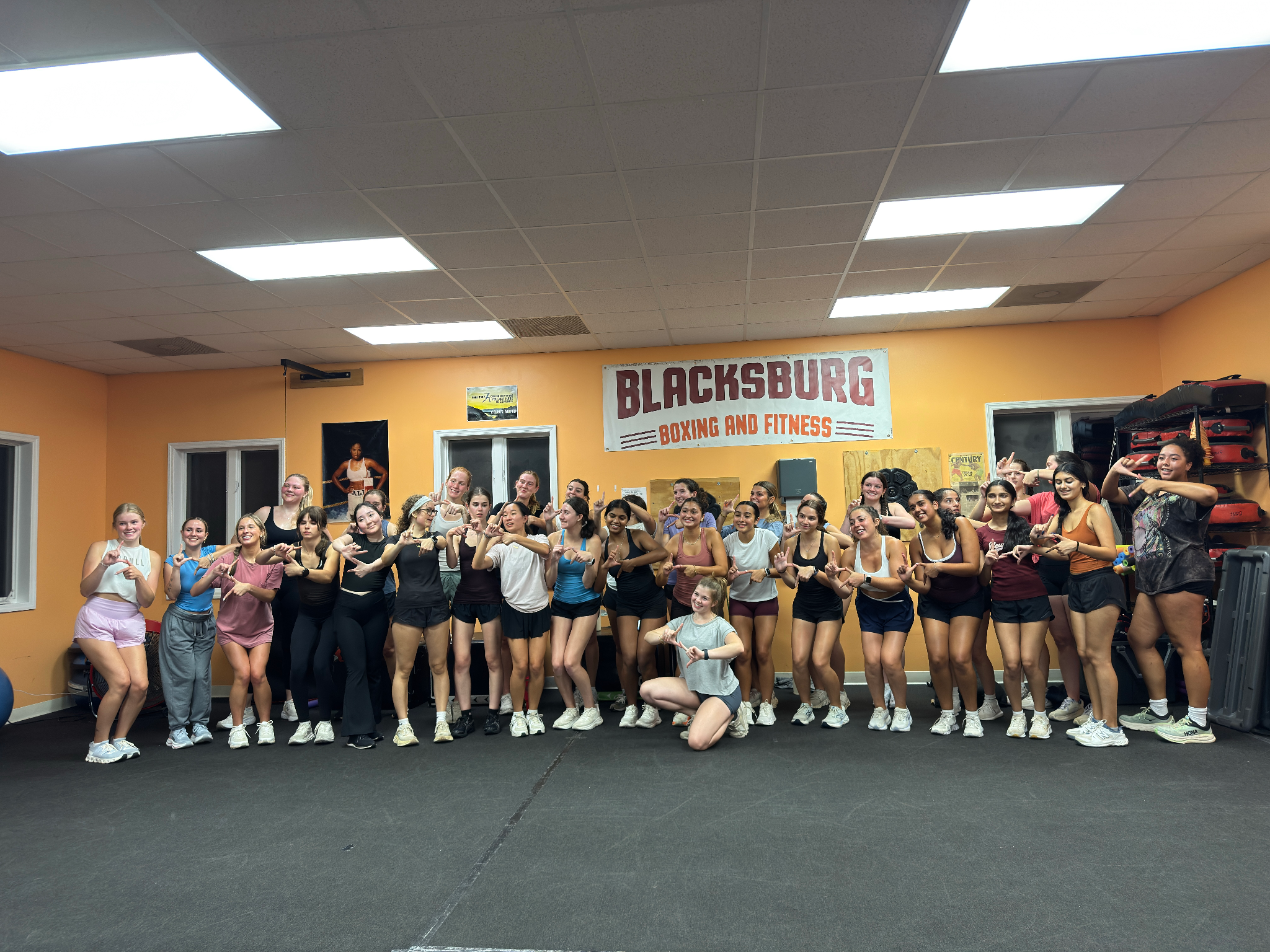
Group photo at the end of the weekly CHAARG workout, holding up the organization’s logo. September 15, 2026. Photo by Caroline Garcia.
In a large school and online world, community is what people are looking for. Many girls have found this in CHAARG. Nihar, a freshman in the club, shares her reason for loving CHAARG: “It’s a really great community of girls. Everyone is all friends. I’m a freshman, so it’s my first year, and I think it’s a great way to get active and find a community.”
Calabro mentioned how she was able to meet a lot of girls that were outside of her major. “I just really like that it brings people together closer than just being in a club and coexisting with each other — you actually make connections and meet a lot of people you probably wouldn’t.”
CHAARG exhibits how health and community can work together to benefit students, both physically and mentally. With a goal of creating a belonging workout community without the intimidation, the organization exhibits a wellness goal Virginia Tech commits to: no Hokie left behind.
By Taylor Berenbaum, health and wellness reporter
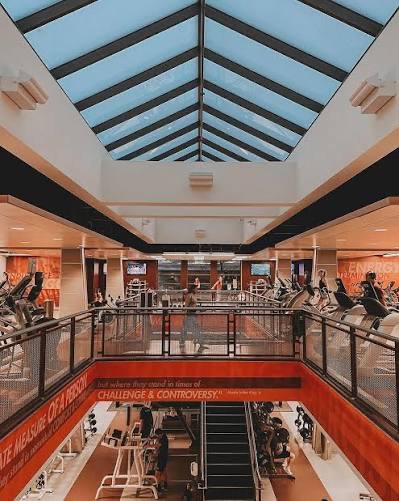
For young adults, fitness advice is no longer limited to the gym floor. TikTok and Instagram feeds are helping shape what students eat, how they work out and what they believe it takes to get fit.
Social media serves as an accessible tool for finding motivation, community and information about exercise. However, the same feeds that introduce students to new workouts can also blur the line between evidence-based advice, personal experience, marketing and misinformation.
For Owyn Dawyot, a recent Virginia Tech graduate and fitness content creator, creating fitness content means navigating a constant tension between what he wants to make and what the algorithm wants people to watch.
Short-form platforms reward quick, visually engaging content, and creators often find themselves replicating videos that have already performed well. The pressure to chase views can make it easy to lose sight of why a creator started making content in the first place.
“Some of my favorite videos are the ones that perform the worst,” said Dawyot.
As Dawyot explained, this distinction is part of what makes fitness content difficult to evaluate: Popularity can tell viewers what is getting attention, but not necessarily whether the information is accurate or useful.
There is an additional layer to that polished version of fitness. Social media often shows viewers the parts of people’s lives they want others to see.
Dawyot describes social media as “the highlight reel of everyone’s lives.”
That highlight reel can be especially noticeable in fitness content, where workouts, physiques and transformations are highly visual and typically perform well in the realm of views and engagement. Viewers may see the result without seeing the time, effort or circumstances behind it.
That is part of why fitness advice can be difficult to apply from one person to another.
“Just because someone shares what has worked for them doesn’t mean that it’s going to work for everyone,” said Dawyot.
That distinction matters when students use social media as a source of health and fitness information.
Research suggests the challenge is more than just navigating different opinions online. A 2025 systematic review of 33 studies examining physical activity misinformation on social media found misinformation across topics including exercise recommendations, weight loss and general physical activity.
Stella Volpe, a professor and head of Virginia Tech’s Department of Human Nutrition, Foods and Exercise, sees that distinction from an evidence-based perspective.
“We know that there’s such beauty to social media, but then there’s such bad to social media,” said Volpe.
Students may see an influencer who looks fit and assume that person has the expertise to explain how others should exercise or eat. But appearance and popularity do not necessarily establish expertise. Volpe noted that some influencers may promote practices that “may or may not be right.”
The difference between personal experience and evidence becomes especially important when social media advice involves nutrition or weight loss. Protein and supplements can fall into this category.
“Don’t just read the bottle and believe any claims you might see on social media, because not all of those claims are true,” said Volpe.
The same distinction matters as trending conversations about weight loss, including GLP-1 medications, continue to circulate online.
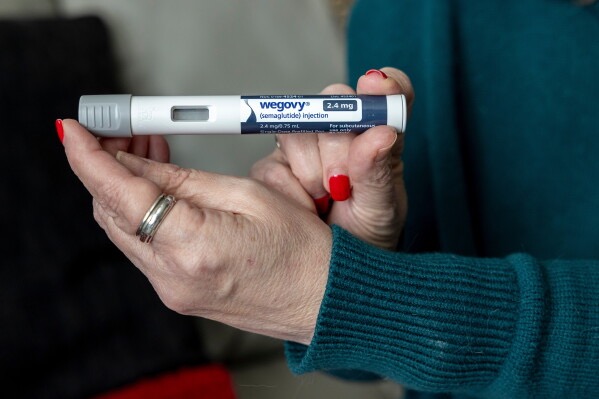
For students, figuring out what information to trust does not mean avoiding social media altogether.
Social media can be a useful tool for finding health and fitness information, but Volpe emphasized that it should not be the final source for health and fitness decisions, encouraging students to look to credible sources, including the National Institutes of Health and the Centers for Disease Control and Prevention.
“Try your very best to go to the science first, not to social media,” said Volpe.
Even research can be misinterpreted or taken out of context, making it important for students to consider where information comes from rather than relying on a single post or video.
The issue extends beyond whether a workout or nutrition claim is technically accurate. Fitness content can also shape what students think their bodies and progress are supposed to look like.
Volpe discussed how students may see someone online showcasing their physique and assume that person achieved it in a matter of weeks. Comparing that image with their own progress can leave students feeling discouraged about both exercise and their appearance.
Volpe mentioned the importance of students focusing on their own progress rather than using people they see online as a measurement for where they should be.
“You can be fit at any weight; there is good research on that,” said Volpe.
For college students and young adults scrolling through fitness content, social media can still be a place to find new workout splits, inspiration and a community of like-minded users. But the most visible video is not necessarily the most valuable, and the most confident voice is not necessarily the most informed.
Dawyot’s experience as a creator points to one side of that equation: What performs well online is not always what holds the most value. Volpe’s advice points to the other: What appears convincing online is not necessarily what the evidence supports.
For students and young adults trying to figure out what fitness looks like for them, navigating social media may mean knowing when to take inspiration from the screen and when to look beyond it.
Editor’s note: Owyn Dawyot is a graduate of the Virginia Tech School of Communication which produces The News Feed NRV. Owyn is a former reporter for The News Feed NRV.
By Alex Frank, Health and Wellness Reporter
Have you ever stayed up late one night studying? Or maybe you stayed up late going out with friends, watching a movie, or just scrolling in bed? For many young adults, these are common occurrences. Sleep is often the first thing sacrificed when work, school and social life get busy. Lack of sleep can affect more than how tired a person feels the next day. Consistently poor sleep can affect young adults’ mental health, mood, memory and overall energy levels.
Adjusting to the newfound freedom and lack of structure that comes with life after high school can be difficult. With so much to juggle while learning how to live on your own for the first time, sleep often falls low on the priority list. One night of poor sleep can affect you the next day, but what becomes a nightly habit for many young adults can have serious effects on long-term health and well-being. Lauren Woodard is a licensed therapist for teens and young adults with a master’s in social work and a bachelor’s in psychology. In an interview, Woodard explains how hard it is to get quality sleep, the effects poor sleep has on young adults’ well-being and ways to build healthier habits.

Lauren Woodard, MSW, LCSW
Her comments were edited for length and clarity.
Why do you think sleep tends to be such a problem for young adults?
Young adults are in a unique developmental period where they are often navigating a new phase of freedom, responsibilities and demands without the structure they had at home and in high school. For many college students, living at school might be the first time they haven’t had parental supervision and structure around sleep. College is also such a unique time where you are trying to balance so many competing interests: almost 24/7 access to friends and social opportunities, classes, internships, work, clubs, sports, volunteering, dating, all while managing sleep. Sleep is typically the easiest thing to cut! I can’t think of another period of adult life.
What are the most common unhealthy sleep habits?
In my work with college students, I most commonly see a pattern of uneven sleep where students might get very little sleep during the week and then sleep in a lot on weekends to make up for it. That in and of itself can severely disrupt your natural sleep-wake circadian rhythms and can also cause what I call “Sunday Scaries Insomnia,” where it is hard to fall asleep on Sunday evenings and you start the week sleep deprived. Another is alcohol intake. Although alcohol makes people feel sleepy at first, research tells us it is a sleep disruptor, causing early wakefulness. Excessive screen time and phone use in bed is another one. The blue light from your phone and the mental stimulation of what you are watching are big sleep disruptors.
How does stress affect someone’s ability to sleep?
Stress is a large component driving sleep disruption. Stress puts your body into a naturally more alert and activated state. So if you are stressed, it would take you much longer to be able to feel like you can wind down enough to fall asleep. So think about adding an energy drink in the afternoon, the stress of an exam and scrolling on TikTok a perfect storm for impacting someone’s ability to sleep and a reason why stress management through exercise and meditation is so important.
How can poor sleep affect mood, motivation and ability to handle everyday stress?
I say this weekly to my client: Sleep is a foundational component of your mental wellness. When we’re sleep-deprived, our ability to concentrate, tolerate distress, regulate our emotions, make decisions and manage everyday stress is impacted. A decision that might feel relatively easy when you’re well-rested can suddenly feel overwhelming or even impossible when you’re exhausted. You may find yourself feeling far more anxious, emotional, or frustrated by something you would normally be able to navigate; not necessarily because the situation has changed, but because you’re trying to handle it with a sleep-deprived brain. It is like functioning all day with a phone at 10% charged.
How do phones affect young adults’ sleep habits?
I could probably do an entire interview on just this. Blue light from your phone keeps you awake and alert and blocks melatonin production, which is a sleep hormone you need to sleep well. I also hear a lot of clients say notifications stress them out, and they feel like they have to respond right away, even if they are trying to rest. One other thing I see is a downside of social media where many of my clients get caught in a comparison trap with viewing social media – it may make them feel like they are less in some way by seeing other people have things they don’t. That can result in feelings of anxiety and depression, which impact sleep.
What are the first changes you would recommend to someone who consistently gets poor sleep?
Doing a complete reset of your sleep habits might be too stressful, so I say pick one area. Some ideas are, like, set an alarm on your phone to remind you to go phone or social media free for 30 minutes before bed. Stop consuming caffeine after lunchtime. Try to wake up at the same time every morning and go to bed at the same time every night; stay within 2 hours on each end of that on the weekends. If you stay out late, still wake up within 2 hours of your normal wake-up time. Another thing is to try to keep naps short and earlier in the day if you take them. Lastly, stay out of bed unless you are sleeping.
If you could change one sleep habit among college students, what would it be? Stop spending so much time in your bed. For many college students, especially those in dorms, their bed becomes a multi-purpose space: desk, couch, dining room and place to scroll. If possible, I encourage clients to create some distinction between where they are awake and where they sleep. We want the brain to develop a strong association between getting into bed and winding down.
By Owyn Dawyot, Health and Wellness Reporter
The demands of living as a college student who prioritizes their health and fitness are almost as challenging as getting through the school itself.
College is a crucial time in a person’s life when they’re making decisions that will affect their future. Coincidentally, something that often gets neglected during the busy life of a student is their health, both physical and mental, which directly affects how the rest of their lives will play out.
Many of these young adults don’t want to think about taking the extra time to work out or spending the extra money on healthier groceries, but those two factors are more important for your well-being than you think.
While in college, students are bombarded with strenuous class schedules, spending time with clubs and organizations they’re involved in, and looking for jobs and internships over the summer, all while attempting to maintain a social life. It’s an extremely draining time, so why would it make sense to add something else to your plate, like going to the gym?
“I think your mental and physical health go together, so you have to prioritize one to work on both,” Nick Owen, a senior at Virginia Tech, said when describing why going to the gym is important for him. Owen believes that if you work on your physical health, then your mental health will follow. He’s also a believer that if you have a healthy, balanced diet, then you will see significantly more progress in each of these areas.
Owen regularly trains at The Weight Club, an off-campus gym located in Blacksburg, Va., which raises the question: Why spend the money to train at a gym off campus when Virginia Tech offers three fully-functional facilities on campus, intended for the use of students enrolled at the university – McComas Hall, War Memorial Hall, and the VT Rec Sports Field House (also known as “The Bubble”)?
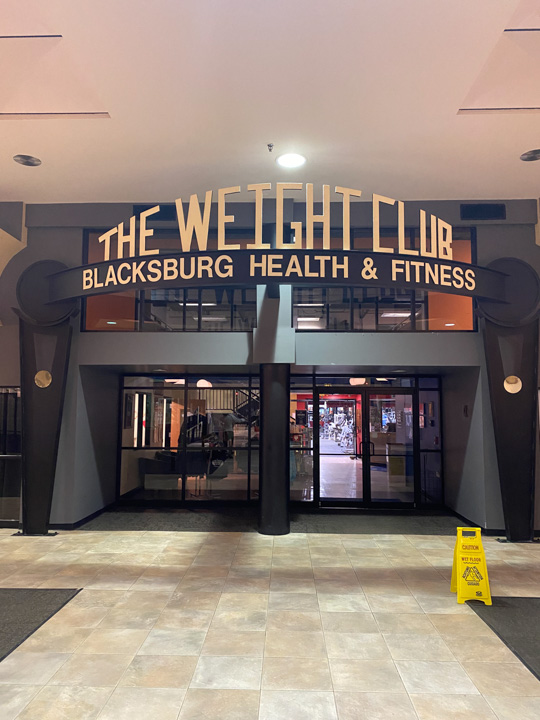
“The on-campus gyms don’t have a sauna, and Weight Club is less crowded,” Owen stated, expressing that he believes it is crucial for his health and well-being, and that he would make the sacrifice to pay $414 for the year to have the luxury of using a sauna.
Another student, Mathew Hale, a sophomore at Virginia Tech, also purchased an off-campus gym membership at Very Good Gym in Christiansburg, Va. Hale pays for the semester plan that Very Good Gym offers, which is $180 for four months, and describes the membership he pays for as a “quality of life” purchase.
“I feel like I’m almost saving money by not having to worry about parking on campus or getting a parking pass to go to an on-campus gym,” Hale stated. “It’s never busy, and it’s a 24-hour gym, so while I’m there, I don’t have to worry about hours or anything like that.”
While both Owen and Hale seem to have their reasons for spending the extra money on exercising each month, healthy eating is a completely different animal and needs to be done with strategic planning, as described by Maddie Reis, another senior at Virginia Tech, who believes that living a healthy lifestyle as a college student is much more than just working out.
“I shop in Christiansburg, and I have my groceries listed for when I go to Aldi and when I go to Walmart, depending on the prices,” Reis stated. “I know each item that I have to get at each store to get the lowest price point.”
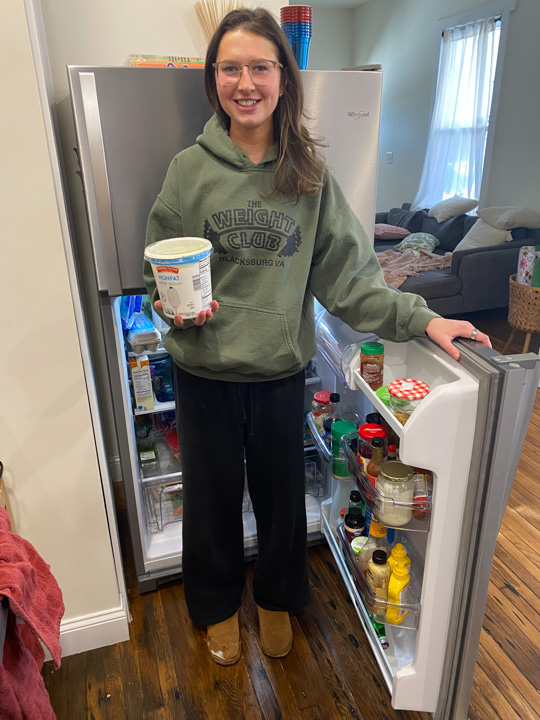
Reis also said that she is constantly browsing the internet searching for deals on healthy food and drink items. She claimed that Olli Pop is her favorite healthy drink. She knows the exact date they go on sale each month at Food Lion and is ready to stock up.
However, it doesn’t stop there. Reis strategically plans out her grocery list for every week, down to the serving size of each dish she’s preparing the following week.
Reis said that she also has suffered from insomnia throughout college and purchases around $40 of various supplements per week to help ensure that she gets adequate rest for recovery.
Owen and Hale both stated that they also purchase supplements, creatine, and protein powder. Owen doesn’t stop there, also taking ashwagandha, magnesium, and fish oil. Both claim this excess supplementation doesn’t just help their performance in the gym, it also plays a huge role in their energy levels throughout the day, during classes, and long study sessions.
All three students stated that they rarely eat out, as the healthier restaurants in Blacksburg, such as Greens, Roots, and Chipotle, are typically their go-to options when they do, expressing that they are very costly on their tight budgets.
Although college is a very stressful time, and it may not make much sense to some to spend the extra time and money on worrying about prioritizing their health, many students, including these three, would disagree, arguing that it may be worth the effort.

