
by Hayden McNeal, health & wellness reporter
Growing old is inevitable, but how people care for their bodies and prepare for later life can greatly affect their quality of life as they age.
Researchers studying gerontology have identified common factors that influence health and wellness as people age. Researchers and retirement facility employees said health and wellness are crucial factors in maintaining happiness later in life., but many disregard preparation when it comes to moving onto the next step for individuals’ lives.
“I think having a plan in place as to what you’re going to do when you get older is really important,” said Sara McCarter, project manager and volunteering and academic partnership coordinator for Warm Hearth Village, a retirement community in Blacksburg, Virginia. “I see a lot of older adults who just didn’t want to do that. They wanted to stay in their homes and they thought they would just stay there. Then you get caught off guard. I see a lot of people scrambling to find places for parents that are going straight from independent living to needing full-blown health care, and that transition is not there. Assume that you might need some help, and put that into your planning. I would say plan, plan, plan.”
A major stressor in aging and long-term care is a lack of planning. Individuals and their families often don’t think about what to do when the time comes for a loved one to seek assisted care or a retirement home.
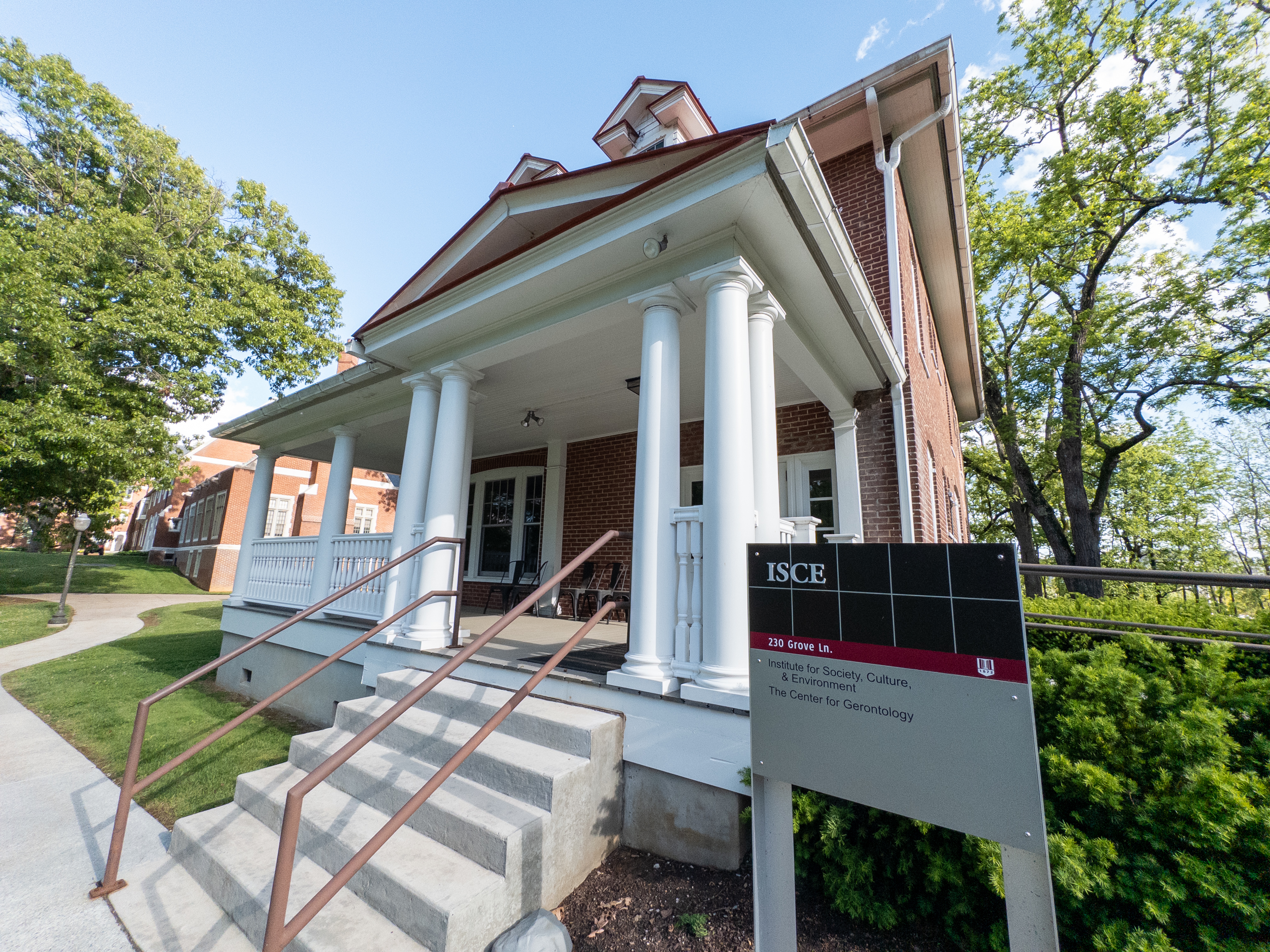
“I think we often see that family members don’t talk about kind of the what if,” said Dr. Karen Roberto, university distinguished professor and executive director for the Institute for Society, Culture and Environment and senior fellow at the Center for Gerontology. “I think family members often don’t talk to each other. A lot of assumptions are made. If they’re in a scenario of a parent who’s going to need some care. There are often assumptions about how that family system works? How do they deal with expenses? Economics comes into play. How much does the older adult qualify for services? Is that something out of pocket? Do they have enough funds?”
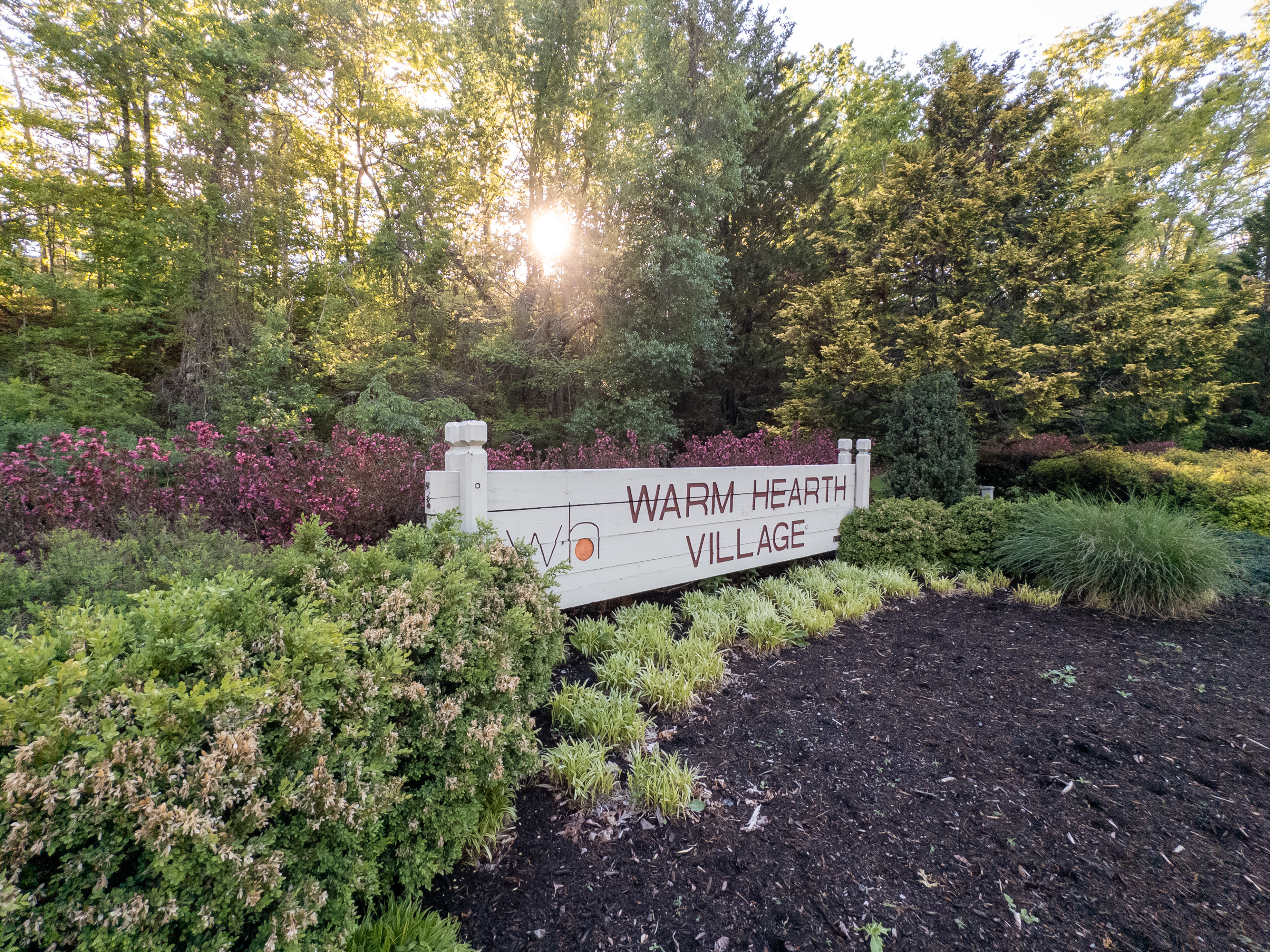
Expenses for retirement communities like Warm Hearth are an unexpected burden until people reach the age of retirement. Warm Hearth itself is a model for ideal retirement living and care. There are currently 600 residents living at the retirement community and 400 on the waiting list. It ranges from a close-knit community of 115 townhomes to late-stage hospice care. This level of senior care is not a common sight to see when it comes to retirement options. With this level of amenities and care, Warm Hearth can cover many different situations depending on the resident. But this level of care comes at a cost. McCarter believes that this will become a big issue for the younger generations when they reach the age of retirement. She said she doesn’t see younger people saving like the current residents did when they were young.
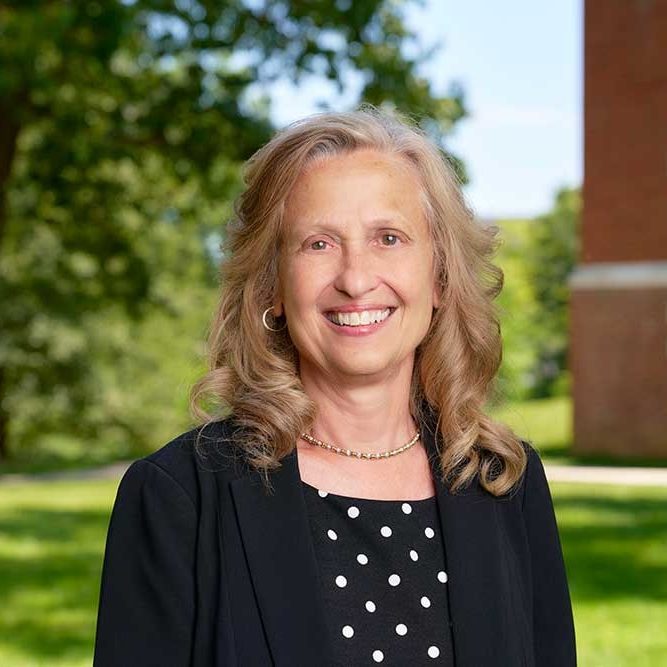
Even though expenses seem to be the biggest issue when it comes to senior living, there are still some unmet needs that still stand out when caring for the elderly community. Dr. Roberto noted that transportation is a common issue that most retirement centers disregard. Many elderly citizens have their drivers licenses taken away when their motor functions start to deteriorate. But when they are placed in these centers, there are often not many ways for them to get around.
Dr. Roberto claimed that another big issue facing senior care is mobility. Often with in-home care, what seemed to be an ordinary trip from one side of the house to the other is now a major obstacle for older adults. McCarter noted that this is front-of-mind when looking to design new additions to Warm Hearth Village. There must be options for two feet, wheelchairs, and walkers at every part of the facility.
“Throughout our adult lives—and especially in the latter part of our lives—having certain conditions doesn’t necessarily mean we’re going to develop dementia or experience physical health problems to the point that we need care,” Dr. Roberto said. “However, it really does help to be in the best possible physical, mental, and emotional state that we can be.”
It is a widely accepted fact that exercise and a healthy diet are not only good for you, but can prolong a healthy life well into your later years. A study by the National Institute of Health shows that adults 40 and older found that taking 8,000 steps a day compared to 4,000 a day was associated with a 51% lower risk of death from all causes. Simple habits people can do in adulthood can greatly improve long-term health. The National institutes of Health also revealed that a healthy diet not only will help in weight, but also brain function. This can be helpful in prolonging any signs of neurological disease.
“You are more susceptible, over time, to disease. It’s called cellular wear-and-tear theory,” said Dr. Pamela Teaster, a professor at Virginia Tech and Director of the Center for Gerontology. “As you get older, you are more vulnerable to things because you have less ability to fight them off, right? For example, if you get a cold in your 20s, you probably feel awful for some days, and you’re okay. If you get a cold in your 80s, it could lead to pneumonia that could kill you.”
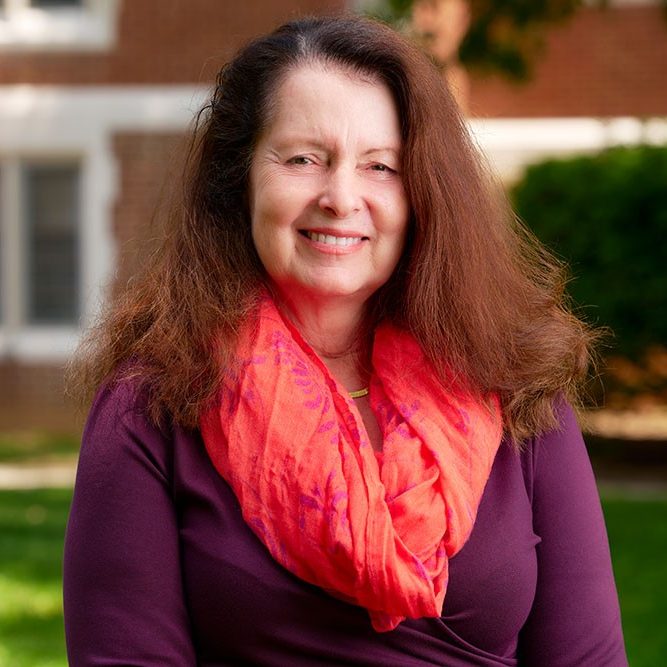
Cellular wear-and-tear can also be stalled by exercise, a healthy diet, and keeping stress levels down. Dr. Teaster remarked that cellular wear-and-tear theory could be seen with the impact of COVID-19. With the younger generations, they were able to fight it off more easily. However, as you looked towards the older generations, it became more detrimental.
According to McCarter, Warm Hearth was one of the last nonprofit retirement communities in the country to get COVID-19. She claimed that the COVID-19 lockdown was a hard time for Warm Hearth. Social interaction is very crucial to residents’ physical and mental well-being. She saw that in a social setting, being around people made residents battling illness have more will to climb faster. However, the isolation of lockdown made their will weaker to fight to get better.
“We’ve sort of had this epidemic of loneliness and isolation during the pandemic,” Dr. Roberto said. “We’ve been paying much more attention to that and how that can really help a person maintain their quality of life while living with dementia. We don’t have anything that’s going to stop it there, but we can make life better for the individual and maybe slow the progression. This could be with stimulated conversation and doing activities that they like to do. That can be really helpful.”
According to the American Brain Foundation, chronic loneliness is a significant risk factor because it accelerates cognitive decline, triggering brain inflammation and increasing the risk of dementia by up to 60%. It may not seem as obvious as exercise and diet, but human interaction could also be a way to keep “cellular wear-and-tear” at bay.
Over recent years, there has been a real shift in the advancement of retirement living and care. Dr. Roberto says she’s been studying aging for a long time. She remembers when all you could do at senior centers was play bingo, but now there’s much more you can do. She has seen an array of different activities pop up that weren’t common or did not exist at all in the retirement centers in the past. She has seen health fairs, computers and computer classes for those older adults who are not tech-savvy, and much more. Dr. Roberto compared current senior living facilities as more of a college lifestyle, where people are living with people their own age and having many activities to do.
McCarter has also witnessed improvements and been working towards implementing improvements at Warm Hearth. She noted that one of the biggest improvements they have made that has changed residents’ lives for the better is more natural light and bigger windows. It sounds simple, but McCarter has seen it increase their quality of life and overall happiness.
With all these improvements, the remaining challenge may be encouraging older adults and their families to “plan, plan, plan.”

