
By Lila Trochlil, Arts, Culture and Sports reporter
Young musicians in the New River Valley are carrying on the traditions and community of bluegrass, a genre deeply rooted in Appalachian culture and history.
Bluegrass emerged as a distinct genre in the Appalachian region more than 80 years ago, drawing elements from Appalachian folk, blues and old-time mountain music. The genre features acoustic string instruments such as guitar, mandolin, fiddle, banjo and upright bass, alongside fast tempos and high vocal harmonies that create its energetic sound. Bluegrass also relies heavily on informal gatherings known as jams, where musicians play together without a rehearsed setlist. These sessions often involve significant improvisation, with individual musicians taking breaks, or solos, while the rest of the group provides accompaniment.
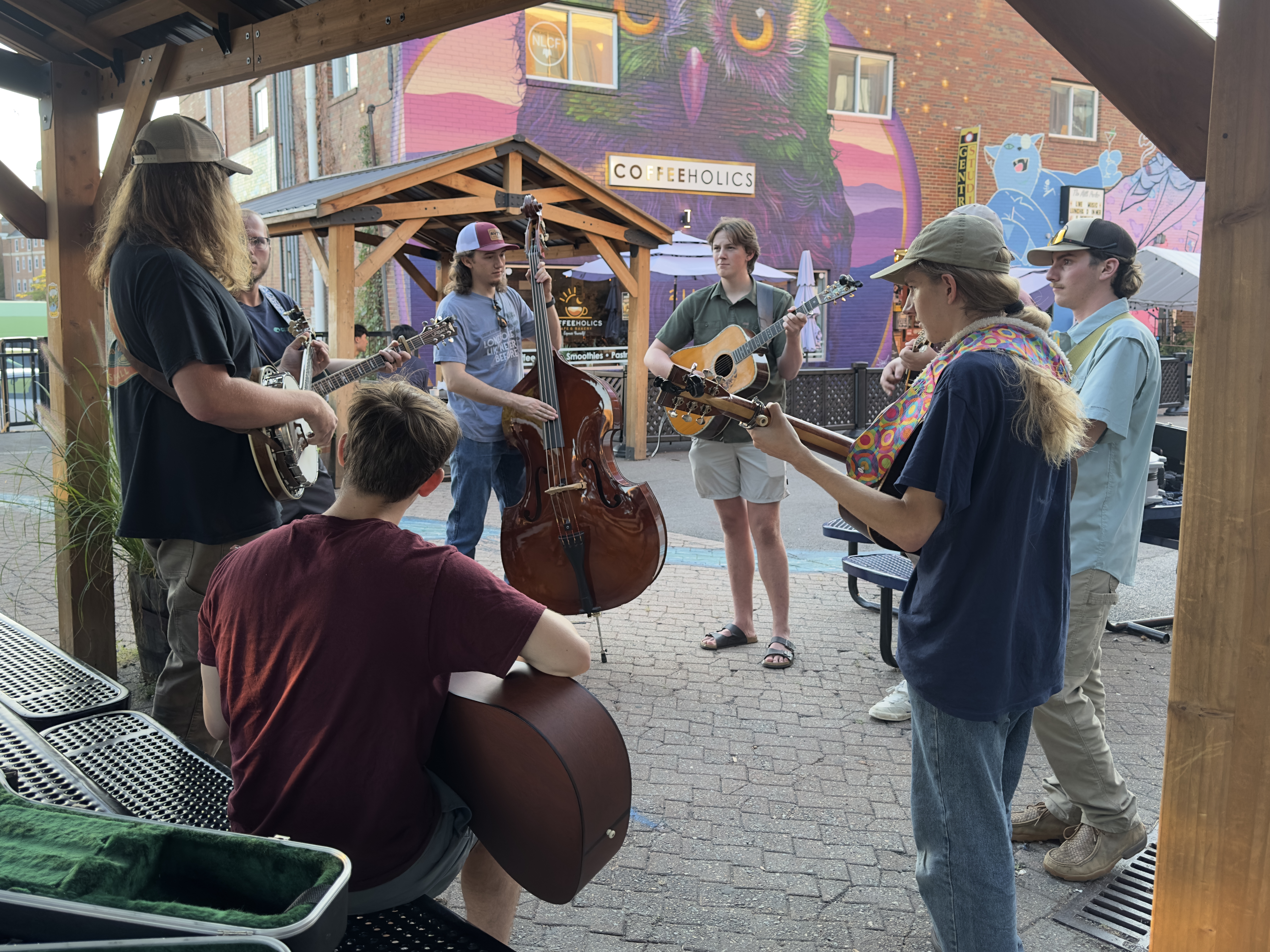
Noah Lohr, a Virginia Tech senior, is no stranger to these jam sessions. Near the end of high school, a local banjo player introduced Lohr to bluegrass by playing him music by John Hartford, a popular folk and bluegrass artist from the 1960s and ‘70s. That initial exposure sent Lohr down a bluegrass rabbit hole, as he listened to the genre’s greats before eventually finding a Richmond bluegrass band to play with.
“The first time playing was definitely a learning experience,” Lohr said. “Everyone was super cool and nice, pointing me in the right direction, but there’s a little learning curve that you just have to go through. It got better from there.”
One of Lohr’s favorite aspects of the genre is how easy it is to get involved in local jams. Local bluegrass musicians often know many of the same songs and tunes, allowing for strangers to immediately join in. The loose structure of many bluegrass songs also lets musicians pass breaks and solos around the group, creating a natural flow within the music.
“Someone will sing a verse, then someone will take a break, then we’ll pass that around a little bit, and then come back to a verse or a chorus,” Lohr said. “You can go to a bluegrass jam anywhere, or find bluegrass musicians anywhere, and just start jamming right away, which is pretty cool.”
One of the New River Valley’s most notable bluegrass gathering places is in Floyd, Virginia, at The Floyd Country Store. Recurring events such as the Friday Night Jamboree and Sunday Music Jams bring musicians together for regular open jam sessions, drawing not only those who play but also audience members who come to watch and dance. Liam Weikart, an instructor of sociology at Virginia Tech, said there is value in attending live jam sessions rather than simply listening to recorded bluegrass music.
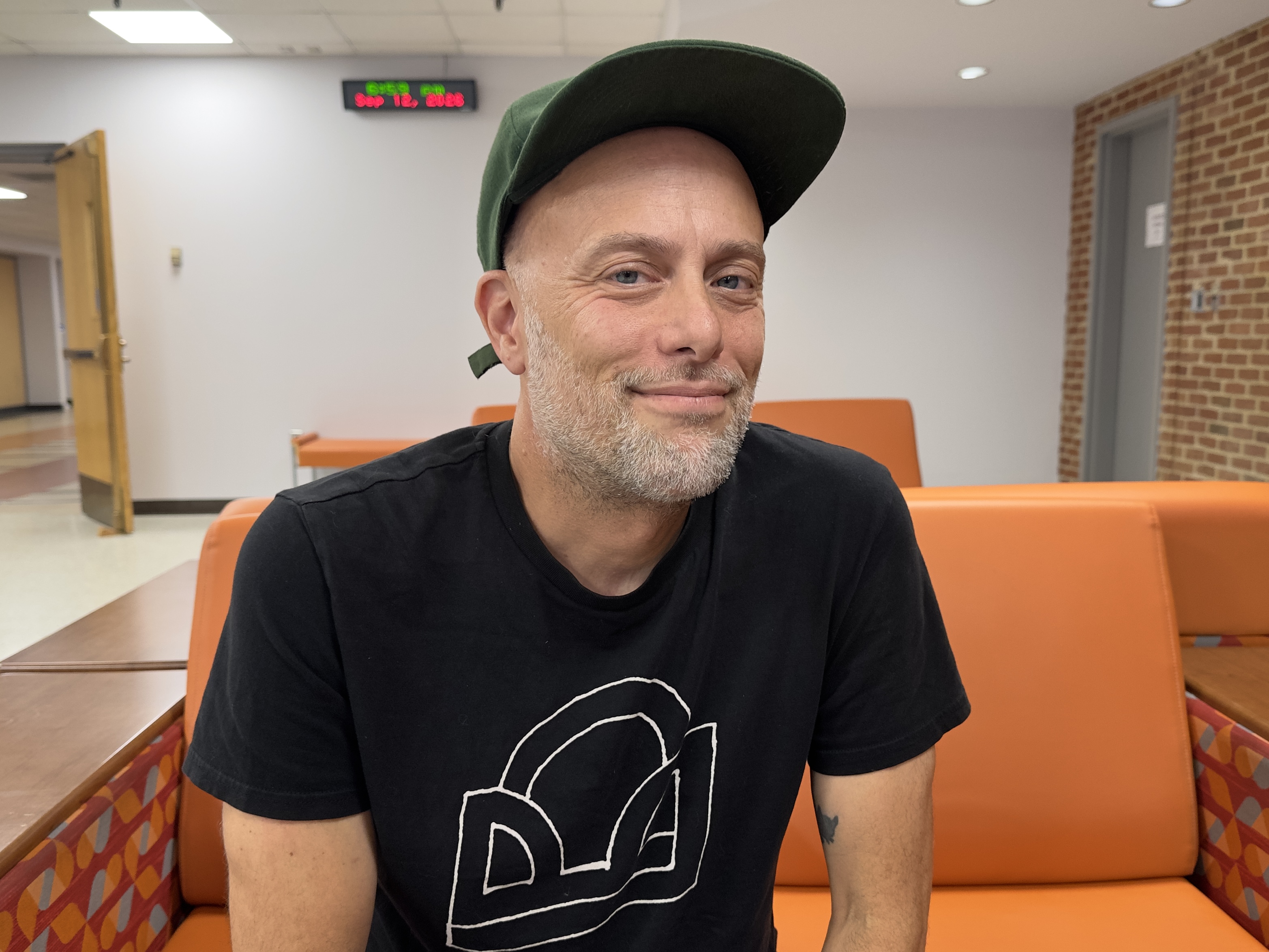
“Live music performances create a collective effervescence, a kind of inspiration that only comes when you’re there in person,” Weikart said. “You lose your sense of self in a moment of communal togetherness, which is something you’ll miss if you only listen to recordings.”
This communal tradition is continuing in Blacksburg through Hokie Grass, a Virginia Tech bluegrass student organization. Lohr is one of the organization’s founding members, which was established at the start of the 2025 school year. Since then, Hokie Grass has played at a variety of Blacksburg events and venues, including Rising Silo Brewery, Gillies Vegetarian Cuisine and The Milk Parlor. The organization also hosts weekly open jams downtown on Tuesdays, where musicians are encouraged to join with whatever instrument they are comfortable playing.
Jesse Ankney, a Virginia Tech senior and member of Hokie Grass, first began exploring bluegrass after seeing a Billy Strings concert in Norfolk about three years ago. The show inspired him to learn a few bluegrass songs on guitar, eventually leading him to a jam hosted by the Tidewater Bluegrass Society, a nonprofit bluegrass organization. Since then, Ankney has largely expanded his musical skills by learning to play a range of string instruments, including mandolin, upright bass and banjo.
“There were a couple months where every night I would go out in my garage, put my headphones on and start playing bluegrass,” Ankney said. “I would play along to Spotify and try to learn licks and songs. For a while, I didn’t listen to anything else.”
Ankney was previously invited to play on the youth stage at the International Bluegrass Music Association (IBMA) World of Bluegrass event, an annual festival featuring performances from bluegrass bands and musicians. Playing alongside other musicians his age, Ankney noticed a more relaxed approach to the genre.
“Everyone playing was my age or younger, and it’s just a different vibe, but a good vibe,” Ankney said. “It tends to produce more creativity or mess. You’re not uptight, and you’re not trying to impress any gatekeepers.”
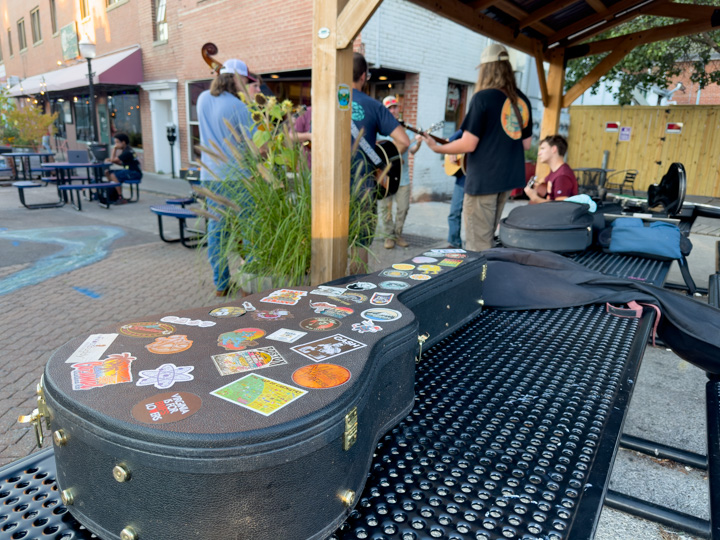
Even as younger musicians bring a looser approach to the genre, bluegrass continues to prioritize live collaboration and community, which can be especially meaningful in a digital age. For young musicians in the New River Valley, participating in jams and festivals provides an opportunity not only to connect with others but also to engage with musical traditions that have been part of the region for decades.
For Lohr, simply being involved in bluegrass is a way to help preserve the genre.
“If people are wanting to play, I feel like that’s a win,” Lohr said. “Go find a jam.”
Editor’s note: Jesse Ankney is a student in the Virginia Tech School of Communication. The News Feed NRV is produced and published my senior journalism students in the Virginia Tech School of Communication.

