SCI/TECH: Inside the rise of AI scams

by Brendan Robertson and Evan Niewoehner —

The emergence of Artificial intelligence has rapidly changed the way people communicate, work, and consume information. While it has its benefits, AI has also begun transforming the world of fraud. From voice-cloning technology used in phone calls to hyper-realistic phishing messages, scammers are now using AI to make their scams more convincing than ever before. As these technologies become cheaper and more accessible, the scams behind them are becoming more sophisticated and harder to detect.

Fraud tied to everyday online AI or telephone scams is rising quickly, with the Federal Trade Commission reporting $470 million in losses from text-based scams in 2024 alone. At the same time, AI-driven job scams are surging as well, with losses climbing into the hundreds of millions, according to the FTC. These scammers typically target those with little technological experience, like the elderly, making the scams even more effective. Since AI significantly improves the realism of messages, voices, and online identities, it’s become increasingly difficult for those who are more technologically unadvanced to keep up and tell the difference.

As technology evolves, so must our awareness of it, because in a world shaped by AI, seeing and hearing are no longer really believing.

SCI/TECH: Understanding the benefits, risks of marijuana

by JJ Hendrickson and Sophia Tarabola-

Marijuana use is becoming more widespread, especially among younger Americans. A 2024 study found that usage in the United States has increased by 65.2% over the past 10 years. With many members of Generation Z opting for marijuana over alcohol, that figure may continue to rise.

With more people using the drug, it is important to understand both its benefits and risks. Marijuana has several potential positives, including reducing anxiety, stimulating the appetite of chemotherapy patients, and helping treat seizures. However, there are downsides as well, such as an increase in people developing cannabis use disorder and more marijuana-related traffic accidents.

SPORTS: MLB and the ABS challenge system

by Justin Patrick and Sean Hughes–

April is here, and the MLB season is officially in full swing as teams look to define their destiny in the early months of 2026. The Los Angeles Dodgers enter the year with massive expectations, aiming for a historic “three-peat” after securing the last two World Series titles. With a roster led by global icon Shohei Ohtani, the Dodgers remain the team to beat, while the New York Yankees are fighting for a bounce-back year. After a disappointing previous season, the Bronx Bombers are banking on a healthy Aaron Judge to lead them back to postseason relevance.

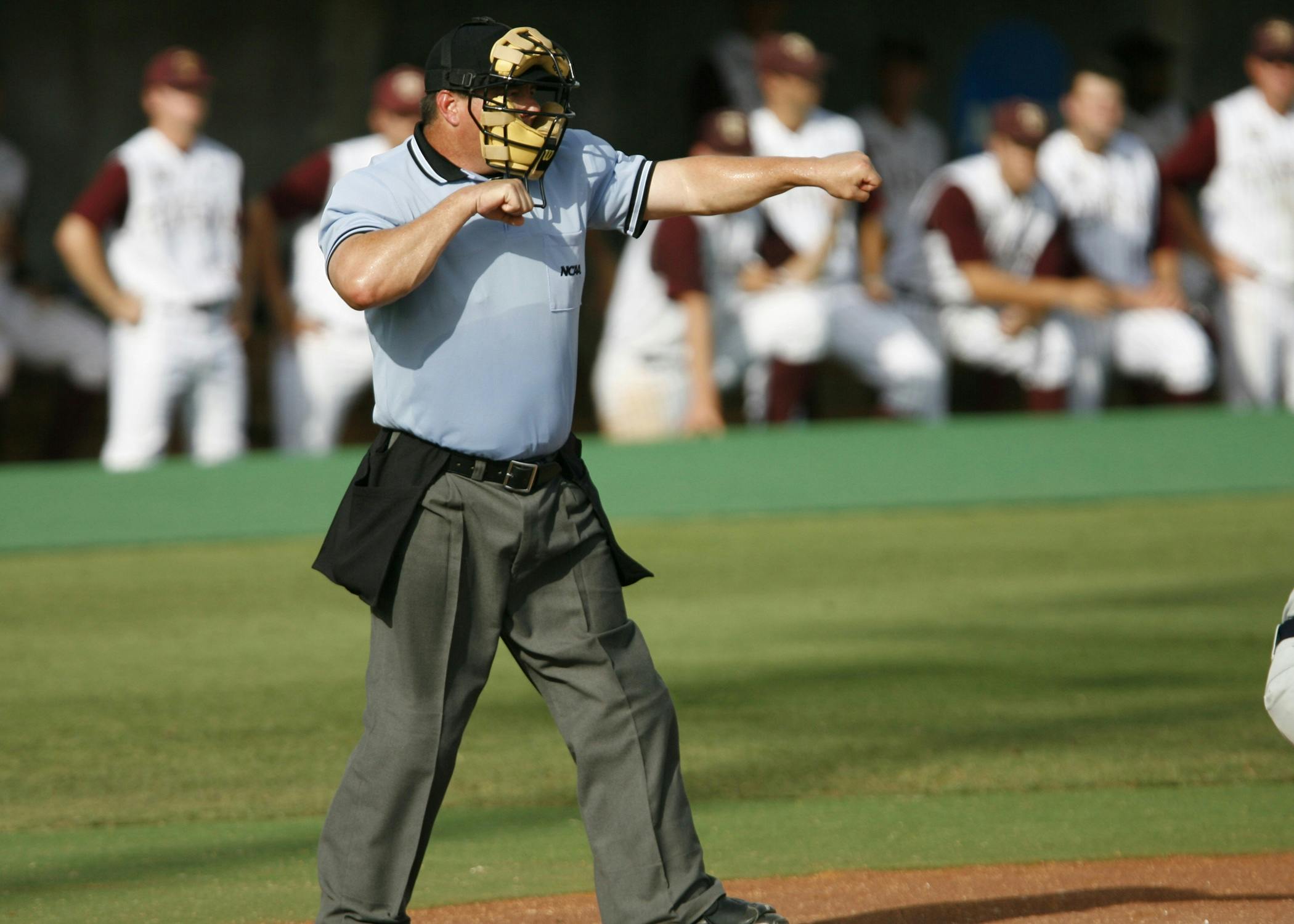
Beyond the star power, the most significant shift this season is the implementation of the ABS (Automated Ball-Strike) challenge system. This “robot umpire” technology allows players to challenge a call by simply tapping their helmets, triggering a near-instant digital review of the pitch’s trajectory. While proponents argue that the system eliminates human error and ensures fairness, others worry that it strips the game of its traditional grit and the “thrill” of arguing with the home-plate umpire. As the season progresses, the tension between high-tech accuracy and baseball’s long-standing human elements will be a central narrative for fans and players alike.

SPORTS: Before the bracket drops

Photo: Markus Spiske

by Kyle Rupe and Kylie Cooper–

March is here, and the NCAA Tournament picture is starting to take shape. With Selection Sunday approaching, several teams have positioned themselves as clear tournament locks after building strong résumés throughout the season. Consistency, quality wins, and conference performance are separating the top contenders from the rest of the field.

At the same time, a number of teams remain on the outside looking in. For those programs, the final stretch of regular-season games and upcoming conference tournaments will determine whether their seasons continue or come to an end. Every result now carries added weight as teams try to strengthen their standing before the bracket is finalized.

Beyond the projected top seeds, other programs are gaining momentum and climbing in the latest bracket projections. According to CBS Sports Bracketology, several bubble teams are still battling for position as conference tournaments approach. With limited spots available and little room for error, the final weeks of the season will ultimately determine how the tournament field takes shape.

SCI/TECH: The future of wearable technology

by Caroline Rogers and Ryan Radulski–

Wearable technology is starting to get a whole new look. It is no longer just counting steps and tracking heart rates. In this podcast episode, we take a look at the new and emerging Meta glasses and Oura rings that are the talk of the town right now in technology. 

We discuss how people across the world are using the new glasses to gain a following on social media, and how there are people on our very own campus doing the same thing. Then we dive into the Oura ring and the new health craze among Gen Z. Does it really work? Is the health tracking worth the mental craze it might cause? College students seem to think so, as it’s all people are talking about.