Bike helmets key tool in bicyclists’ safety, among other practices 

By Bethany Lenhardt, crime, safety and justice reporter 

Biking as transportation is valuable for various reasons, however, biking quickly loses its charm if safety is not a priority. Everyone on the road – bikes, cars, pedestrians – contributes to the safety of the environment and must recognize their role.  

“I’ve seen a number of benefits from bicycle commuting. Cycling to and from work and when I run errands is a way for me to get some exercise,” said Nicholas Quint, Sustainable Transportation Manager at Virginia Tech. “Also, I’ve been able to save a lot of money from gas and just the other maintenance related expenses with the car, and yes, there are maintenance related expenses with a bicycle, but to a much lesser degree.” 

Quint is based out of Virginia Tech’s Transit Center, located off Perry Street Garage. Inside the center is office space, a break area for Blacksburg Transit drivers and the Hokie Bike Hub.  

The Bike Hub is a self-service repair station, where passersby can come in and learn techniques and use the tools to execute repairs, but no items are available for purchase; they do not sell any parts as per an agreement with local bike shops. If an individual comes in with a bike that needs new parts, the Bike Hub workers will help them understand what they need to purchase to successfully execute repairs. They aid approximately 3000 people every year, according to Quint.  
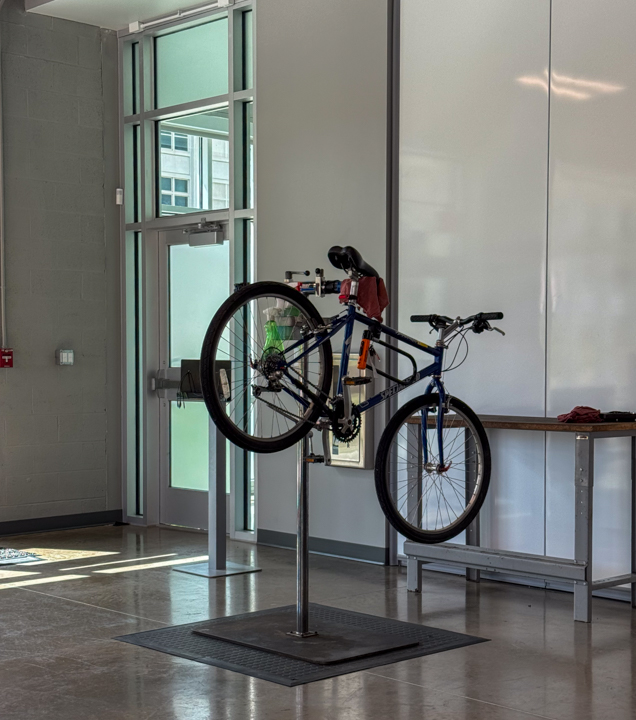
Hokie Bike Hub garage space. Photo by: Bethany Lenhardt

“The Hokie Bike Hub is a learning laboratory,” said Quint. “We are a space dedicated to hands on learning when it comes to working on your bicycle or even an E-scooter, unicycle or skateboard. Our staff are there to teach them how to how to work on their bicycles. We don’t perform any work for folks, and if the problem is bad enough that someone needs to replace a part, we can put together a parts list for them to wherever they can go to get those and then help them out once they have them on hand.” 

“The Hokie Bike Hub is a learning laboratory.”

Nicholas Quint

The emphasis on learning is purposeful. Ultimately, a bicycle is a mode of transport and also a vesicle of the rider’s safety. Proper care and upkeep of a bike is step one to ensuring the rider arrives at their destination safely. The Bike Hub and local bike shops help to ensure the bike remains in top running order and that the rider obtains the skills to fix issues on the fly.  

Another factor in bike safety is appropriate behavior. According to the Virginia Department of Motor Vehicles, bicyclists are subject to many of the same laws as those in motor vehicles. Additionally, drivers are subject to additional laws to prioritize safety in the shared space. These include keeping at least 3 feet of berth, including the mirror, and slowing down when passing a bicyclist on the road and changing lanes if this operation is not possible.  

Bikes may be ridden on and off roadways, excluding all Interstate Highways and when posted signs prohibit the activity. The bicyclist must act like a pedestrian when on the sidewalk, and act like a vehicle when on the road. Cherry-picking and being unpredictable with what laws they choose to obey endangers everyone involved.  

“Weaving in and out of traffic so that you’re unpredictable is not helpful; it’s dangerous,” said Quint. “It’s how others perceive you and expect your next move. Using hand signals, like when you’re going to turn, is also important.”  

The third aspect of safety is equipment, specifically a helmet. Virginia does not have a state bicycle helmet law; however, localities can choose to require the use of helmets by adolescent riders age 14 and under, in accordance with Virginia Code §46.2-906.1. The localities that abide by this rule can be found on the Virginia Department of Transportation website.  

Even with local ordinances, enforcing the use of a helmet is incredibly difficult given the number of children riding bikes at any time, says Dr. Barry Miller, Director of Outreach and Business Development for the Virginia Tech Helmet Lab. However, he highly recommends that everyone – regardless of age – should wear a helmet. 

“We have research that shows any helmet will drastically reduce 70 to 80% risk of concussion versus no helmet at all,” said Dr. Miller. “Helmets do wonders.” 

“Helmets do wonders.”

Dr. Barry Miller

The Helmet Lab seeks to quantify and understand what happens inside the helmet during real-life head impacts in order to evaluate which helmets are the safest for the activity. It all started with the football department asking Dr. Stefan Duma, the founder of the lab and a professor of biomedical engineering and mathematics, if he could determine the safest helmet for the team. Having just returned from a conference that demonstrated sensors inside military helmets, he was inspired to conduct an experiment.  

“We started putting sensors inside football players helmets,” said Dr. Miller. “They agreed to be subjects, so there was 50 players that we collected data on for the initial five years, and basically what we figured out is, when they got injured or concussed on the field, we started pairing that with what the helmet data tells us in linear and rotational head accelerations. From that, we created a bivariate risk function so when certain levels of acceleration are hit, the probability of concussion goes up.” 

Virginia Tech Helmet Lab test rig. Photo by: Bethany Lenhardt

The fundamental question is: How does an individual hit their head when they do X? They replicate that impact with test rigs in the lab and have created a system based on a summation of tests and data that determines which helmet better reduces the rapid head movements and therefore gets a better rating for the purpose of wearing it for that activity, specifically. They have set-ups that are unique to the sport, including one for cycling. That system is patented and was named the star rating system. These ratings are publicly available on their website. 

“The star ratings are consumer facing,” said Dr. Miller. “Part of our public service mission is to inform consumers on the relative difference between helmets. Just like any other thing, there’s product differentiation. Consider a Fiat versus the Ford F-150; there’s huge safety differences between those vehicles, and even in the everyday products you buy at the grocery store, you know, is it name brand or is it off brand?” 

Various helmets in the United States require certification to be sold because of safety concerns. Bicycle helmets are certified by the Consumer Product Safety Commission and must pass their standards to be compliant with the Consumer Product Safety Act. According to the CPSC, they certify a helmet when it passes four tests: it doesn’t block the rider’s vision, it doesn’t fall off when the rider falls off the bike, the straps don’t stretch enough to allow the helmet to fall off or become too displaced, and that the helmet “significantly reduces” force to the head when hit.  

“We’ve really revolutionized sport helmets,” said Dr. Miller. “Helmets must be certified at some organization. Bike helmets are the Consumer Product Safety Committee, football are the National Operating Committee on the Standards of Athletic Equipment, etc. All these different organizations control basic helmet performance and the point to pass or fail is catastrophic head injury, so skull fracture and death. The helmet lab has developed assistance, and we supplement those mandatory certifications to be legally sold with real world sport specific helmet ratings.” 

While serious bicycle crashes are a major reason to wear a helmet, even a simple fall that results in hitting your head on the ground can be dangerous. The National Safety Council reports that there were 1,377 preventable bicycle crash deaths in 2023. Additionally, they report that “The number of preventable nonfatal injuries also increased by 1% in 2023 but has declined by 29%, from 480,212 in 2014 to 341,774 in 2023.” 

Given these statistics, it appears to be imperative to wear a helmet to prevent serious injury, although no amount of precaution can stop the most serious of accidents. Numbers aside, Quint still recommends biking as a source of happiness and perspective, what he calls “bike joy.” 

“I acquired a bike shortly after moving to Richmond,” said Quint. “After a semester, I sold my car; I was kind of bicycling out of necessity but also to experience what that was like because there are some people that driving a car is not an option for them, so I thought it was important for me to gain that perspective. Most of the time you get on a bike, and you just can’t help but smile and be happy about it. I think that bike joy, as they call it, is another big benefit.” 

Whether a rider chooses to bike for purpose or pleasure, putting effort into the bike’s upkeep remains a top priority for safety on the road. Additionally, familiarizing oneself with local ordinances and obeying the rules can help prevent accidents. Finally, purchasing and wearing a highly rated helmet can help reduce fatal injury in the event of a crash.  
Produce Prescription: How a USDA Grant Fights Food Insecurity in Southwest Virginia 

By Elizabeth Ann Miller, health and wellness reporter 

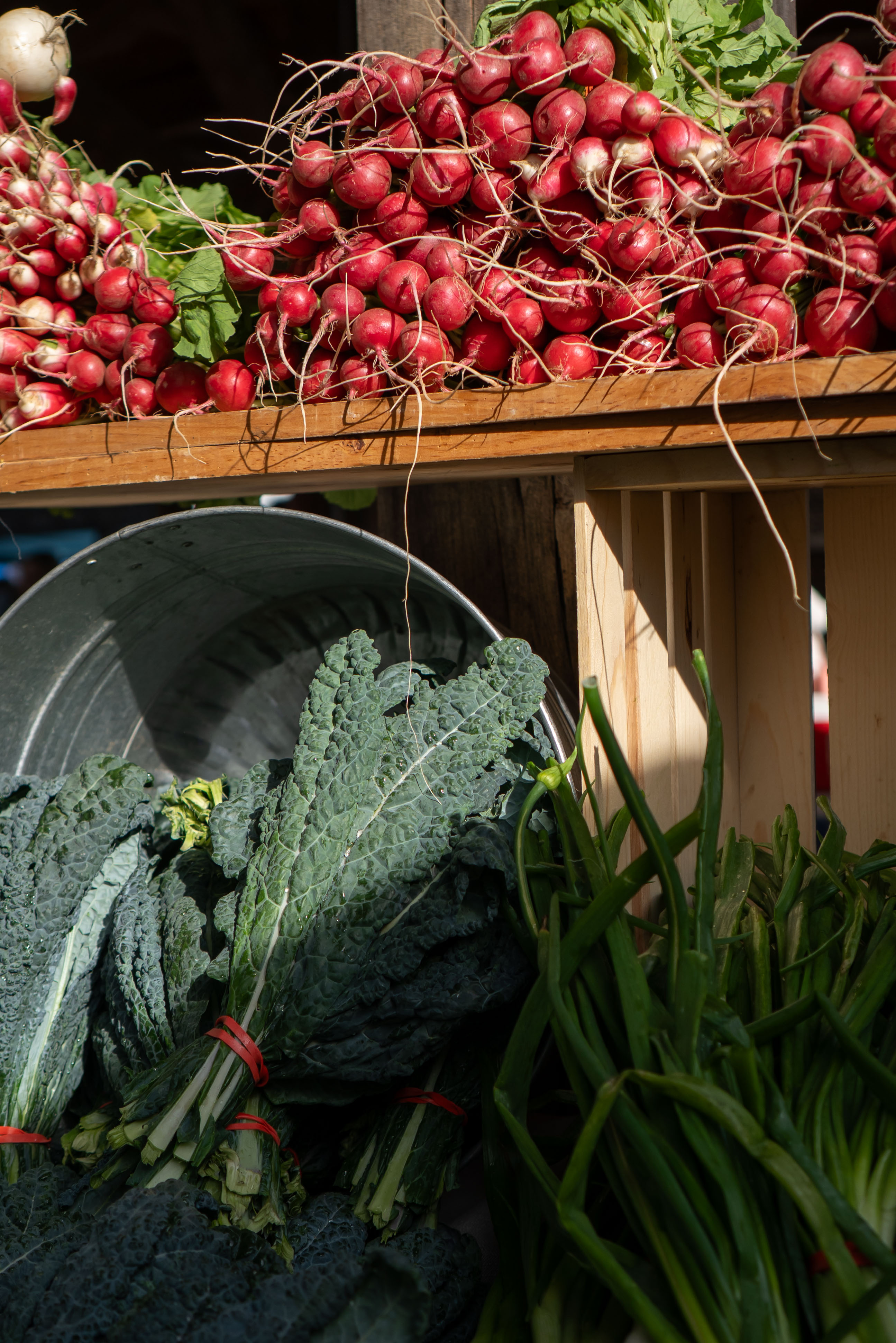
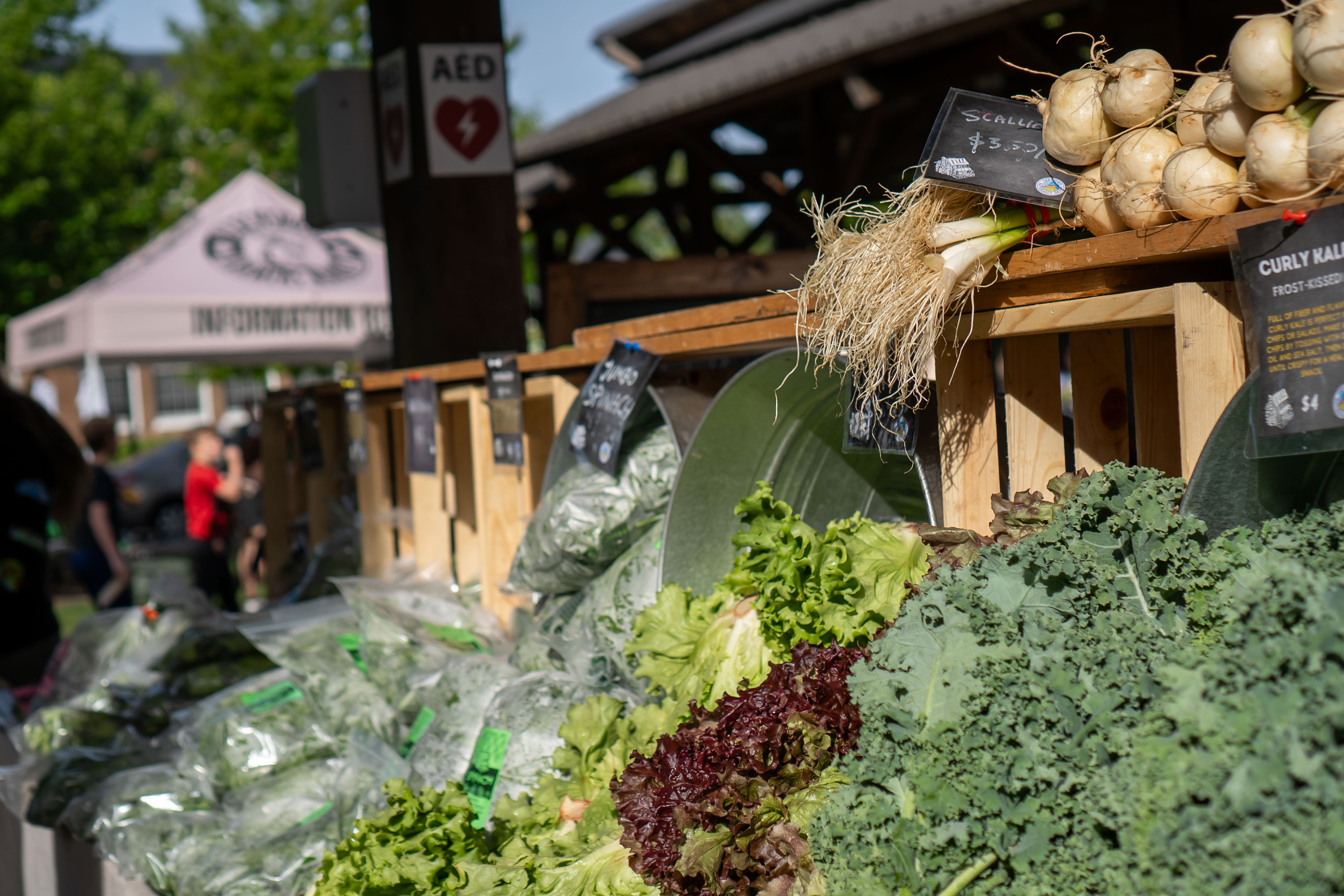
Produce grown by Crooked Porch Farm, Blacksburg Farmers Market. Photo by Elizabeth Ann Miller. 

In a region where fresh produce can be scarce and healthcare access challeng, a new initiative aims to lighten both burdens. Southwest Virginia Prescription Assistance (SWPRx) has been awarded $479,000 from the U.S. Department of Agriculture (USDA), for a collaborative program that combines healthcare with nutrition. 

The grant, part of the USDA’s Gus Schumacher Nutrition Incentive Program (GusNIP), supports efforts to improve food security in rural and underserved areas. It will fund a three-year pilot designed to provide patients with fresh produce prescriptions, nutrition education, and access to local food resources. The goal remains to improve health outcomes across the region.   

“This grant allows us to scale that impact and reach people who need it most,” said Maureen McNamara Best, project director at LEAP. 

Due to its rural nature, high rates of diet-related illnesses have long plagued Southwest Virginia. Patients enrolled in Medicaid, especially those with conditions like hypertension and diabetes, often face difficulty accessing nutritious food. Through SWPRx, participating patients will be given weekly produce prescriptions, redeemable at farmers markets, food pantries, and local outlets affiliated with Virginia Fresh Match. 

The target population includes residents in Roanoke City, Franklin County, Floyd County, and Radford City. Over the next three years, more than 300 participants will undergo a six-month program that includes peer support, structured learning, and nutritional interventions designed to foster sustainable health behavior changes. 

Southwest Virginia Produce Rx is a partnership effort, joining an array of community-based organizations. The Local Environmental Agriculture Project (LEAP) is a nonprofit in Roanoke that holds the USDA grant and manages the program’s logistics. Carilion Clinic provides healthcare services and referrals. Feeding Southwest Virginia, Virginia Fresh Match, and Radford University take on distribution, retail access, and data evaluation. With help from each collaborator, LEAP integrates farmers markets, food trucks, community stores, and a kitchen.  

“SWPRx builds on years of experience with smaller scale produce prescription programs,” Best said. 

The USDA emphasized that these awards are part of a broader national strategy to reduce health disparities and promote food access in underserved communities.  

“Nutrition incentive projects like this are key to empowering families to make healthier food choices,” said Stacy Dean, deputy undersecretary for food, nutrition and consumer services at the USDA. “They also strengthen local food systems by connecting farmers with the people who need their products most. We are excited to expand the success of LEAP’s Fresh Foods Rx pilot program to other communities in the region. The program not only increases access to fresh produce but also promotes long-term health by fostering behavioral change through peer support and education.” 

Virginia Fresh Match is a critical player in this system. It is a statewide network that matches SNAP benefits for produce purchases. Local outlets serve as redemption sites for the prescriptions distributed through SWPRx. Virginia Fresh Match allows participants to maintain access to affordable produce even after their six-month program ends. 

“We want people to walk away not just with a bag of vegetables, but the knowledge and confidence to integrate them into their lives.” – Maureen McNamara Best 

The intention is to help bridge the affordability gap, especially for patients just beginning to make dietary changes. 

As expected, this large initiative brings challenges. Transportation barriers, lack of nutrition education, and limited grocery store access are all significant hurdles for rural communities in the region. Many residents must travel long distances to access quality food options. Others simply don’t have the tools or time to learn new recipes or dietary habits. 

“Working with multiple outlets and partners can involve a lot of moving parts,” Best said. “With strong work plans and consistent feedback, the benefits far outweigh the logistical challenges.” 

Community retailers and farmers markets can ease these challenges by serving as both produce prescription and interactive hubs. They create space for conversation, trust, and connection. That’s where lasting health changes can really take root. 

Blacksburg Farmers Market information and SNAP distribution tent. Photo by Elizabeth Ann Miller. 

As an agricultural pillar in the New River Valley, the Blacksburg Farmers Market offers more than just seasonal produce. The market fosters a culture of community wellness and sustainability. Located in the heart of downtown Blacksburg, it draws a mix of residents, local families, and Virginia Tech students seeking fresh, local options. The market has long participated in the SNAP program and continues to support food access and local agriculture. Farmers here aren’t just vendors. Farmers can be educators, friends, and advocates for health through food.  

Theresa Allen, owner of Peace and Harmony Farms and a regular vendor at the market, sees the SWPRx initiative as a great addition to the values already rooted in her farm to market practice.  

“I believe deeply in eating off the land and using what we grow as medicine,” Allen said.  

Allen has watched firsthand how a vibrant farmers market can shift the way a community relates to and consumes food.  

“Markets like ours aren’t just about shopping. I love the way they force people to slow down, ask questions, and form relationships,” she added. “That’s what makes programs like SWPRx so meaningful. They connect it all between nourishment, healing, and community.” 

For students and low-income families navigating food insecurity, these markets can become weekly support. With future potential of serving as redemption sites for produce prescriptions, the Blacksburg Farmers Market and its farmers can also help remove barriers to fresh food while continuing to foster a welcoming culture. 

“This initiative reflects the very fact that food can heal you. When you grow it with care and people consume it with love, it becomes a powerful tool for being your best.” – Theresa Allen 

The goal of SWPRx is to build a replicable model that integrates food systems into public health infrastructure. The program will track participant outcomes such as improved fruit and vegetable consumption, better management of chronic diseases, and healthcare utilization changes. Researchers at Radford University will analyze the data to help refine and adapt the program over time. As it is in the first year of implementation, there is no impact data. The program cohort launched this April and is constantly tracking and evaluating.  

While the initiative is grounded in Southwest Virginia, its implications are broader than the New River Valley. The USDA grant is part of a national movement to recognize and invest in food as health. According to the CDC, only 10% of American adults consume enough fruits and vegetables daily. This trend not only contributes to widespread chronic illness but increasing healthcare costs as well.  

Programs like SWPRx aim to disrupt that cycle by focusing on prevention through access and education. Instead of reacting after the fact to illness with medication alone, they invest in proactive lifestyle changes that can lead to long-term, sustainable improvements. 

“When someone learns how to cook with fresh ingredients, understands their value, and sees their own health change, it’s transformative,” said Best. “We’ve seen people start off hesitant and finish empowered.” 

The SWPRx team also emphasizes the importance of connecting participants to broader community support systems.  

“We don’t want this to be a one-time intervention,” she added. “We’re building bridges to local resources that can support people long after the program ends.” 

The expansion of SWPRx comes at a time when rural healthcare systems are under increasing pressure. Southwest Virginia, like many underserved regions, faces rising rates of diet-related disease and limited access to specialized care. 

This grant may not solve every challenge, but it does show how partnerships between healthcare providers and food systems can offer meaningful, scalable solutions that improve access to food and long-term health outcomes. SWPRX shows the power of cross-sector collaboration.  

Over the next three years, public health experts, community leaders, and policymakers will be watching closely. If SWPRx proves effective, it could serve as a blueprint for other rural regions similarly seeking to bridge the gap between nutrition and healthcare. 

“It’s not just about getting food into people’s hands. It’s about changing the systems that determine whether or not people can live healthy lives.” – Maureen McNamara Best 

Best’s words capture the heart of the initiative. Food is not only nutrition. Food is medicine and a pathway to a full life. 

Produce grown by Crooked Porch Farm, Blacksburg Farmers Market. Photo by Elizabeth Ann Miller. 

From classroom to conference room: Virginia Tech engineering students tackle real-world challenges 

By Elizabeth Hill, education reporter 

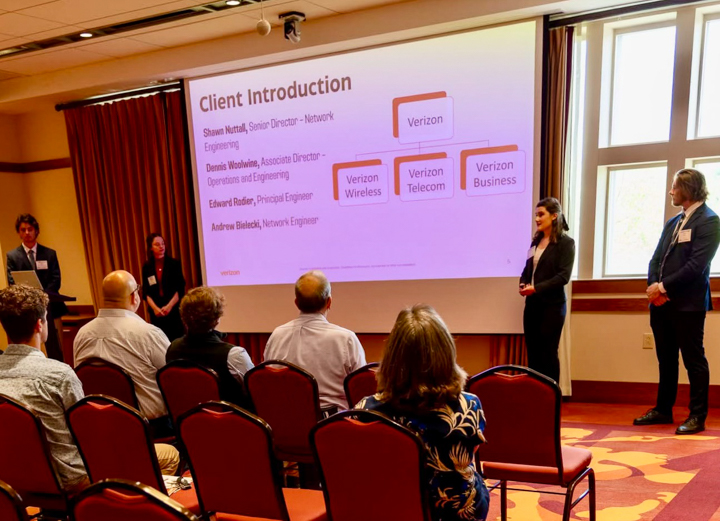
Students present their senior design project at the Virginia Tech Industrial and Systems Engineering Senior Symposium.

Each fall, a new cohort of Virginia Tech industrial and systems engineering seniors begin the final phase of their undergraduate journey, not with exams or essays, but by solving real problems for companies.  

The senior design program, part of the Grado Department of Industrial and Systems Engineering, challenges students to serve clients worldwide over a nine-month period. Teams are paired with company sponsors and have the responsibility of analyzing data, improving systems and delivering tangible results.  

Students meet with their clients regularly to align goals, ask questions and present their work in progress. These clients are more than just evaluators; they are active collaborators who offer insights from their own industry experience.

At the end of the academic year, their findings are presented at the Senior Design and Undergraduate Research Symposium, a professional conference where students deliver their findings to faculty, peers and industry representatives. The 2025 symposium was hosted at the Skelton Conference Center, located within The Inn at Virginia Tech. Recognized as the premier event facility in Blacksburg, the venue offers advanced technological resources and a seasoned events team, making it a preferred location for high-profile academic and professional gatherings. 

Eileen Van Aken, department head of the Grado Department of Industrial and Systems Engineering (ISE), shared her thoughts on the program’s impact with Virginia Tech News. “It is remarkable to see the impact of our senior design program at such a high level,” she said. “We continue to be impressed by our students and their commitment to delivering strategic, timely, and cost-effective solutions to their clients within our senior design program. We know this real-world experience will be applicable long after they graduate.” 

For students, that impact goes beyond academic achievement; it becomes a defining moment in their education. After years of lectures, labs and exams, senior design projects offer a rare opportunity to step into the role of a professional and tackle the kind of complex problems they will likely face after graduation. 

“Getting the chance to integrate skills from almost every class in the ISE curriculum was truly special. It put a lot of the theories and formulas that might not be intuitive in a textbook into context.” 

Vivek Gopalam, a senior design team member for The Boeing Company

While the academic value of these projects is undeniable, many students found the hands-on, off-campus components just as impactful. 

The excitement of leaving the Blacksburg campus and traveling for on-site company visits added an intriguing and memorable layer to the projects. “Pick a project that travels, as I got to go to Colorado twice and Chicago once. All amazing experiences,” said Matthew Speciale, a senior design team member for Woodward. For Speciale and his team, their trips to Fort Collins, Colorado, were among the highlights of their senior design experience, offering both professional insight and personal adventure. 

Speciale’s team visited Woodward’s facility on two separate occasions, each lasting a week, to gain hands-on experience and a deeper understanding of the project they were tackling. These on-site visits allowed them to work directly with the company and gain crucial insight into the operational side of their project. 

When the team was not present at the facility, the students took full advantage of Colorado’s natural beauty. From skiing at Winter Park to hiking in Rocky Mountain National Park, the students experienced the perfect blend of professional growth and personal adventure. 

For Speciale and his team, the combination of immersive work and unforgettable travel made their senior design project not just an academic requirement, but a defining chapter in their Virginia Tech experience. 

Photo courtesy of Matthew Speciale: After three days of hands-on work at Woodward’s Fort Collins facility, Matthew Speciale (on the left) and two of his teammates took a break to hit the slopes at Winter Park. 

For Mollie McKee, whose team partnered with Verizon, the early weeks of the project were filled with uncertainty. Unlike projects with clearly defined deliverables, her team’s assignment came with an open-ended scope. The lack of structure was challenging at first but ultimately led to valuable learning. 

“Our project was not strictly scoped in the beginning, which made for a really interesting first few meetings,” McKee said. “We set expectations and did the usual team bonding activities, but we really started to dive into the project once we visited one of the sites.” 

Each semester, students in the senior design program receive a list of industry-sponsored projects that outline genuine engineering challenges. After reviewing their options, the students rank their top choices. Teams are then matched with companies ranging from global tech firms to defense contractors, offering students hands-on experience in industries they may have never explored. 

For McKee, that meant stepping into unfamiliar territory. 

Drawing on her previous internship experience, she described the program as a very abbreviated version of an internship. However, unlike her prior roles, this project required her to approach problem-solving in a completely new environment. 

“It was an opportunity to explore a space I probably never would’ve considered otherwise,” she said. “And that ended up being one of the most rewarding parts.” 

One of the biggest lessons McKee learned was the importance of listening, especially to the people most closely connected to the issue. 

“I think talking to the people who are at ground zero of the problems you’re trying to solve at a larger scale is the most important place to start,” she said. “A lot of people, myself included sometimes, tend to jump to solving problems they don’t understand, and that leads to frustration from those on the ground.” 

By embracing the unknown, asking better questions and listening to those with firsthand experience, McKee and her team were able to find direction and purpose. Her experience reflects the heart of the senior design program: not only addressing operational challenges faced by major companies, but learning how to lead, adapt and grow in the face of the unknown. 

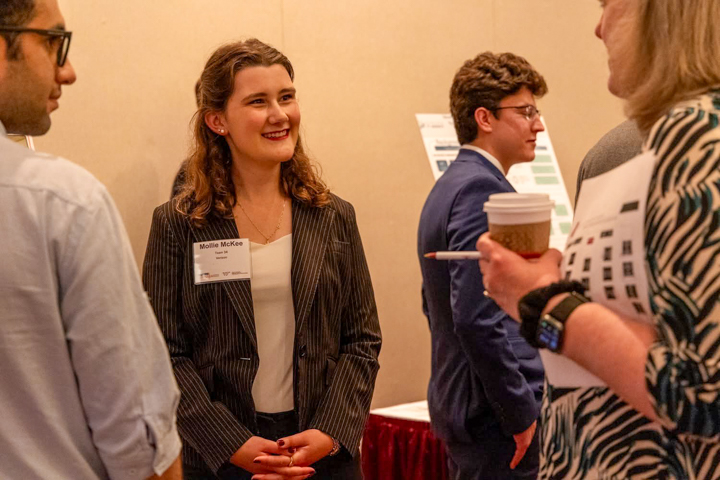
Mollie McKee speaking with industry professionals at the Virginia Tech Industrial and Systems Engineering Senior Symposium.

he students’ journeys, filled with discovery, collaboration and growth, came to a close at one of the department’s most anticipated events of the year. 

The 2025 Senior Design and Undergraduate Research Symposium marked the final milestone in a yearlong journey of applied problem-solving. Throughout the day, teams presented their findings through formal presentations and interactive poster sessions, engaging with faculty, fellow students, and industry representatives. The event served as both a culmination and celebration of the knowledge and skills students developed during their time in the program. 

To close out the symposium, several student teams were recognized for outstanding performance. Awards were presented across five categories: Application of ISE Tools, Project Performance, Innovation and Creativity, Integration and Implementation, and People’s Choice. Each award reflected a different dimension of excellence. 

For many students, the symposium was a rewarding opportunity to reflect on how far they had come.  

“It was so much fun, and it was nice to reflect on how far we came from the start of the project—showcasing everything to a packed room with your friends and professionals was a great way to end the project.”

Matthew Speciale, a senior design team member for Woodward

Others found the experience validating in terms of industry relevance and technical achievement. “I was very proud of our performance in the poster session and presentation,” said Vivek Gopalam, whose team worked with The Boeing Company. “We had industry representatives come talk to us about how pressing the issue that we were solving was to them, and how exciting it was to see research being done in this area. Our efforts paid off as we were told by the ISE teaching team that we were an extremely high scoring team.” 

These recognitions highlighted the program’s emphasis not just on delivering solutions, but on integrating core industrial and systems engineering principles in innovative and meaningful ways.  

As the symposium concluded, students walked away with more than just final deliverables, they left with real-world experience, new connections, and a sense of accomplishment. For many, the event was a turning point: the transition from student to emerging professional. 

By bridging classroom instruction with practical application, Virginia Tech’s ISE Senior Design program continues to prepare graduates for the complex challenges of the modern workforce, equipped not only with knowledge, but with confidence earned through experience. 

Attacks on media leaves uncertainty for graduating seniors

By Janae Neely, education reporter

It seems that with each passing day, the media industry takes another hit. Whether it’s the cessation of federal funding or banning select news organizations from the Oval Office, the Trump Administration has initiated an attack on the press and media within its first 100 days in office. 

Journalism has been present in society since the beginning of time, with a knack for being able to shift and adapt its business model to fit the needs of its audience. However, these hits to the press have left an overwhelming cloud of uncertainty over the media space. This uncertainty has especially affected graduating college students who are looking to build careers within these spaces. 

For seniors who are looking for advice on how to enter the media industry, luckily, at Virginia Tech, there are events held in an effort to help these students and educate them with the resources available in order to have a long and successful career. One of these events is Comm Week, a week full of professional and networking events to help students prepare for post-grad careers. This year’s Comm Week was organized by Brandi Quesenberry, Undergraduate Director and Senior Instructor in the School of Communications. 

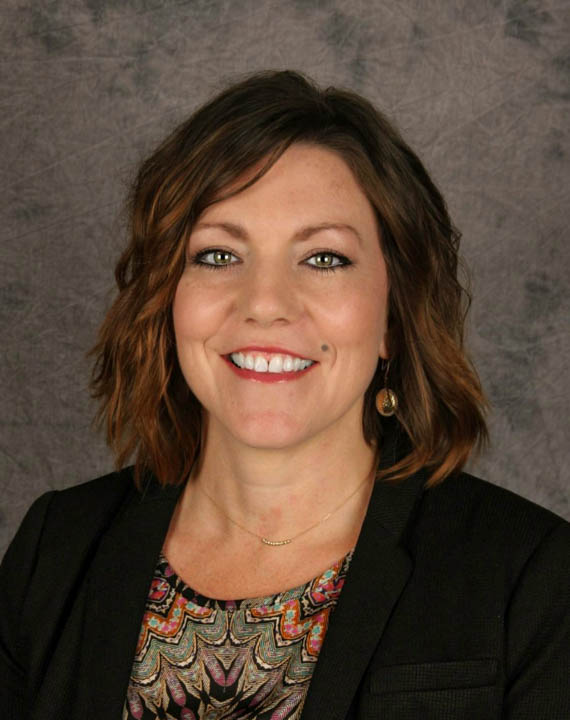
Brandi Quesenberry. Image Credits: Virginia Tech

“Comm Week is something that we started in 2018. We took a hiatus for a couple of years because of COVID, and it really is an opportunity for the School of Communication to offer all of our majors, so journalism, sports media analytics, comm, PR, and advertising, as well as any of our minors, to engage with us as a falculty or as a school, as well as our organizations” said Quesenberry. “What we want to do through an event like Comm Week is highlight our student organizations, provide those organizations opportunities to better promote or have a wider promotion of events and connections that they have, and what their goals and missions are”. 

This year’s event included partnerships with Lambda Pi Eta, the Communications Honor Society on campus, and the Society of Professional Journalists. One of the major events featured guest speaker Ryan Ripken, a former baseball player who now owns his own media company. Navigating the post-graduate world can be tricky and confusing, Quesenberry gives this advice to those enetering the media and press space during this fragile time, “I do think it’s important to develop relationships with your faculty members, who have either worked in the industry or potentially still work in the industry, and who have their finger on the pulse of research and current trends in the industry, even if they are full time faculty members.” Quesenberry also noted that, “You can lean into their networks, and certainly pick their brains and find out more information from them.” 

Lastly, Quesenberry wants students to keep in mind that forging connections and networking is important at these times, “Make sure you stay marketable with your skills. So, the skills that we are teaching in our classes, making sure that you’re taking full advantage, Virginia Tech has tons of resources through LinkedIn Learning. There are just a wide variety of options to help you hone your skills, so regardless of what the landscape is politically or what the economy looks like, you’re gonna be marketable, you’re gonna be employable in a wide variety of industries”. 

The Trump Administration’s continuous attack on the press and media has left a lot of questions surrounding the legality of these executive orders and how this affects the meaning of freedom of speech and freedom of the press. There are also several questions regarding President Trump’s ultimate goal in his slow but steady attempts to censor the press. Understanding what this means is essential to graduating seniors who are building their careers within the media space. 

Dr. Cayce Myers is an author and professor of Communication Law at Virginia Tech. When speaking on these executive orders, Dr. Myers stated, “I don’t know if it has infringement rights on freedom of speech, but it certainly does pivot the business model of those organizations.” he continued stating, “I would expect that in some ways, these platforms will survive through a different model. The public television model and also the public radio model come out of an era that is pre-streaming cable reality. And so, the way they find their marketplace is very different than the world they entered.” 

Dr. Cayce Myers. Image Credits: WDBJ7.

In terms of what these orders mean for the quality of news sharing, Dr. Myers commented, “Now what does this look like in terms of programming quality, what does this mean in terms of some of the things they’ll be able to do? That likely will change.” Myers continued, “But, I think that this overall will be a shift that’ll change the nature of their business. I don’t know that it will eliminate them completely, I think they may be able to function, and their content will get out in other ways, but that remains to be seen.” 

Many have wondered what the end goal is for the Trump Administration, and what it is exactly that they want to come out of this. Dr. Myers has two different reasonings for why President Trump has set his sights on the press, “Well, I think the ultimate goal is reduction of cost of government, and that’s an overarching goal that like I said, this has been a Republican talking point for a long time, cutting the bureaucracy of the government and streamlining it and providing services that are essential, and then cutting extraneous services. I think another part of it is that there is an underlying criticism of television, of public radio, that it has a very left-winged bent to it and it’s not a nonpartisan outlet, it’s a partisan outlet. And so, I think there is this sense of a lack of support for continuing funding for something that is kind of seen as antithetical to many of the Republican talking points.” 

One of the most interesting things about President Trump’s time in office thus far is not only the surplus of executive orders he has signed, but the quickness of these orders.

“The problem with executive orders is that they don’t have the staying power that a law does. The staying power is just not the same. So there’s this immediacy, but there’s not that long-term effect. It gives, I think, in some ways, in that context, you can have a sort of whiplash for people to kind of figure out ‘What is the norm here?’” – Dr. Cayce Myers, Communication Law Professor 

Many view Trump’s orders as a way to control the narrative and only push out the stories that he believes are worthy of being news. For graduating students who are worried about the uncertainty surrounding the press, Myers says keep these things in mind “I think for students entering the media world, what they should be more concerned about is the economics behind the media structure. Because this is a small subset of media when you’re talking about public funded media. When you’re talking about media in general, we’re in a world of convergence, and we’re in a world where the most interesting thing is that you used to have these big corporations like CBS News or ABC. And they’re being competed with and being outdone by individual podcasters and people who have no infrastructure or very little, and it is like they are able to compete with these multi-million dollar industries.” Myers continued, “I think that is the bigger challenge is how do you keep up with this changing economic structure of the media.” 

“In the creative fields, you have to market yourself differently. A lot of other fields don’t require a portfolio, because you want to be able to showcase your work. I think you also have to learn to describe things a little bit differently, because you have to describe your art.” – Leigh Anne Byrd, Assistant Director for Career Development and College Relations 

Byrd advises that flexibility, persistence, and perseverance are the most important qualities to have when attracting employers in the changing media world. “The keyword that we always heard during Covid was pivot, so thinking about different avenues or different places that you didn’t have in mind at first.” Byrd also discussed the increasing importance of networking and prioritizing quality over quantity when it comes to filling out job applications. 

The media world has seen many changes over the past five months, and a lot of these changes don’t have solid outcomes or solutions. But this isn’t anything new. Journalism and the media have consistently revamped themselves and have still survived despite it all. Media will always have a place in society, and no amount of censoring can change that.

The Podcast Giving Rural Stories a Voice

by Alana Powell, environment and climate reporter

Robin Reed, professor of practice in the School of Communication at Virginia Tech, and Tara Williamson, co-owner and operator of Williamson Farms, co-host “The Forgotten Fields Project”, a podcast that explores the stories, struggles and shifting landscapes of local agriculture. This mini-documentary looks at how the podcast began, how its evolving and how it’s helping audiences understand the environmental and human challenges facing farmers today.

Editor’s note: Robin Reed is a Professor of Practice in the Virginia Tech School of Communication. The News Feed NRV is produced by the Virginia Tech School of Communication.

Healthy meals lead to healthy connections and community

By Madi Poole, health & wellness reporter

Outside of Virginia Tech, Blacksburg Virginia and the New River Valley has a lot to offer to the community and surrounding areas. Not only is the New River Valley known for its beautiful landscape and lively locals making for a close knit community, something so important to this area is its agriculture. The farms located here in Blacksburg and many other small towns nearby like Pulaski and Giles bring a new meaning to food for a lot of the local restaurants supplying them with healthy and fresh ingredients. In recent years, the farm-to-table movement has gained significant traction in this area, with local restaurants embracing the practice of sourcing ingredients directly from nearby farms. This approach not only supports the local economy but also promotes environmental sustainability, enhances food quality, and a deep connection between consumers and their food sources. This leads to happier customers and even happier employees.

By sourcing ingredients locally, farm-to-table restaurants in Blacksburg contribute directly to the economic well-being of the community. Purchasing from local farmers and producers ensures that a larger portion of the money spent remains within the area, supporting small-scale agriculture and local businesses. This practice helps to preserve farming traditions and regional food specialties, creating a more resilient and self-sustaining local economy .

Farm-to-table restaurants in Blacksburg, Virginia, are key players in supporting local economies. By building strong relationships with nearby farmers and producers, they create stable markets for local agricultural goods, generate employment opportunities, stimulate the growth of complementary businesses, and enhance the region’s food supply chain. Through these efforts, farm-to-table restaurants not only benefit individual businesses but contribute to a more resilient, sustainable, and equitable economy. By supporting local economies in these ways, these restaurants become vital community assets that ensure economic growth is rooted in the region’s rich agricultural heritage and its future potential.

The environmental benefits of the farm-to-table movement are particularly pertinent in the context of Blacksburg’s rural landscape. Sourcing ingredients from nearby farms reduces the need for long-distance transportation, thereby lowering carbon emissions and the overall environmental footprint. Additionally, local farmers often employ sustainable farming practices, which contribute to the preservation of natural ecosystems and biodiversity .

The environmental sustainability benefits of farm-to-table restaurants in Blacksburg, Virginia, are far-reaching. By sourcing ingredients locally, these restaurants help reduce food miles, lower carbon footprints, and support sustainable farming practices that prioritize soil health, water conservation, and biodiversity preservation. Additionally, farm-to-table restaurants encourage waste reduction, energy efficiency, and a culture of environmental responsibility that resonates throughout the community. In a region where the land and agriculture are central to both culture and economy, the environmental benefits of farm-to-table dining contribute significantly to the long-term health and sustainability of the area. Through their commitment to sustainability, these restaurants not only serve delicious, fresh food but also play an essential role in protecting the environment for future generations.

Research does not show a set number in the area of which restaurants may or may not be using local ingredients but there are trends indicating an increasing preference for locally sourced food. According to the National Restaurant Association one survey showed that 30% of consumers were likely to choose a restaurant offering environmentally friendly food or organic ingredients. Another survey reported that 76% of adults are more inclined to dine at restaurants featuring locally sourced ingredients.

Locally sourced ingredients are typically fresher and more flavorful than those that have undergone long-distance transportation. In Blacksburg, the proximity to farms allows restaurants to receive produce at its peak ripeness, ensuring superior taste and nutritional value. This emphasis on freshness not only elevates the dining experience but also encourages healthier eating habits among consumers .

The benefits of farm-to-table dining in Blacksburg go beyond the mere convenience of sourcing ingredients from nearby farms. By focusing on freshness, seasonal availability, nutrient content, and a reduction in preservatives and chemicals, these restaurants are able to provide meals that are not only of superior quality but also support the health and well-being of their customers. The emphasis on fresh, high-quality ingredients enhances the entire dining experience, contributing to the region’s reputation as a hub for sustainable, flavorful, and innovative food.

According to Statista about 42% of Americans stated that they prefer buying locally grown food products. When asked how often they eat locally grown foods, over a fifth of U.S. consumers stated to eat local food twice a week. Another survey found out that 58 percent of consumers are somewhat satisfied with healthy food options available in their local stores and restaurants. Restaurants incorporating local foods into their menu stand to benefit from this recent trend, and many already have. Local food options such as house-made charcuterie were a recurring theme in restaurants. Patrons of fine dining restaurants are particularly eager to see local food options on the menu. 

Using local ingredients in restaurants offers a wide range of health benefits—from increased nutrient content and reduced exposure to harmful chemicals, to promoting gut health, mindful eating, and safer food practices. Farm-to-table restaurants in Blacksburg, Virginia, are uniquely positioned to serve the community with meals that nourish both body and mind. As health conscious consumers increasingly look for fresh, wholesome, and responsibly sourced food, these restaurants not only satisfy demand but also contribute to a healthier, more informed, and resilient local population. By choosing to eat locally, diners are investing in their own well-being as well as the health of the broader community.

This model of dining helps create a direct connection between the land, the people who grow the food, and the diners who enjoy it, ensuring that everyone involved—whether it’s the local farmers, the restaurant chefs, or the patrons—benefits from a system that prioritizes quality, freshness, and community.

“As both a farmer and a chef being able to provide my restaurant with fresh ingredients I have grown myself gives me a little more confidence in every meal I make for guest”      – Wells Selbe, Head Chef at Mountain Lake Lodge

Farm-to-table restaurants in Blacksburg often feature seasonal menus that reflect the availability of local produce. This approach not only showcases the diversity of regional ingredients but also encourages culinary creativity. Chefs can experiment with a variety of fruits, vegetables, and meats that are in season, offering diners unique and ever-changing dining experiences that highlight the best of what the local area has to offer.

“I believe using local farmers in the area, restaurants like ours are able to not only build connections with the farmers but it enhances the relationship with our customers and community.” – Heidi Stone, CEO of Mountain Lake Lodge

The farm-to-table movement fosters a sense of community by connecting consumers with the farmers who grow their food. In Blacksburg, many restaurants engage in direct relationships with local producers, allowing diners to learn about the origins of their meals and the people behind them. This transparency builds trust and strengthens the bond between restaurants and their patrons, creating a more engaged and informed community.

Outside of restaurants somewhere we can see a lot of this applied is local farmers markets. The farmers market provides an opportunity for locals to come and shop directly from these farms, to buy their own fresh ingredients to then make these same farm to table meals in their own home. As customers are able to buy from the farmers directly they know exactly the freshness going into their food. This also allows for more connections and economic growth for the farmers when they attend these local markets. 

The agricultural community can often go unnoticed when in reality a lot of what they are doing is what is bringing this community of Blacksburg together. If it were not for these farmers growing these delicious and healthy ingredients they would be unable to provide to a lot of these local restaurants that also bring the community together. If there were no farmers putting in the hard work there would be no restaurants and with no restaurants there are no connections and community building here in the Blacksburg community.

Overall farm-to-table restaurants in Blacksburg, Virginia, play a crucial role in supporting local farmers, promoting environmental sustainability, enhancing food quality, and fostering community connections. By embracing this movement, these establishments not only provide exceptional dining experiences but also contribute to the overall well-being and resilience of the local community. As consumers continue to prioritize sustainability and local sourcing, the farm-to-table model offers a promising path forward for both the culinary industry and the communities it serves.

The environmental dilemma of artificial intelligence

By: Evan Hull, Alana Powell, and Gracie Gosierenvironment, climate, and sustainability reporters

As artificial intelligence continues to transform industries and daily life, its environmental impact is becoming a growing concern. While AI technologies can offer us tools for combating climate change, developing these models contributes significantly to increasing CO2 emissions.

Benjamin Jantzen, associate professor of computer science at Virginia Tech, discusses what goes into developing AI models and its impact on climate change.

Federal hiring freezes and funding cuts leave college graduates with uncertainty

By: Kyndall Hanson, Elizabeth Hill, and Janae Neely, education reporters

Throughout 2025, federal hiring freezes and funding cuts implemented by the Trump administration have created uncertainty for graduating college seniors. As students navigate post-graduate plans, they are often left to choose between entering the workforce or pursuing higher education, both of which present challenges. Kate Renz, assistant director of employer relations and career services in the College of Liberal Arts and Human Sciences, discusses the potential impacts on graduating seniors and offers advice on navigating the job market.