The real cost of diabetes

By: Tyler McAnany

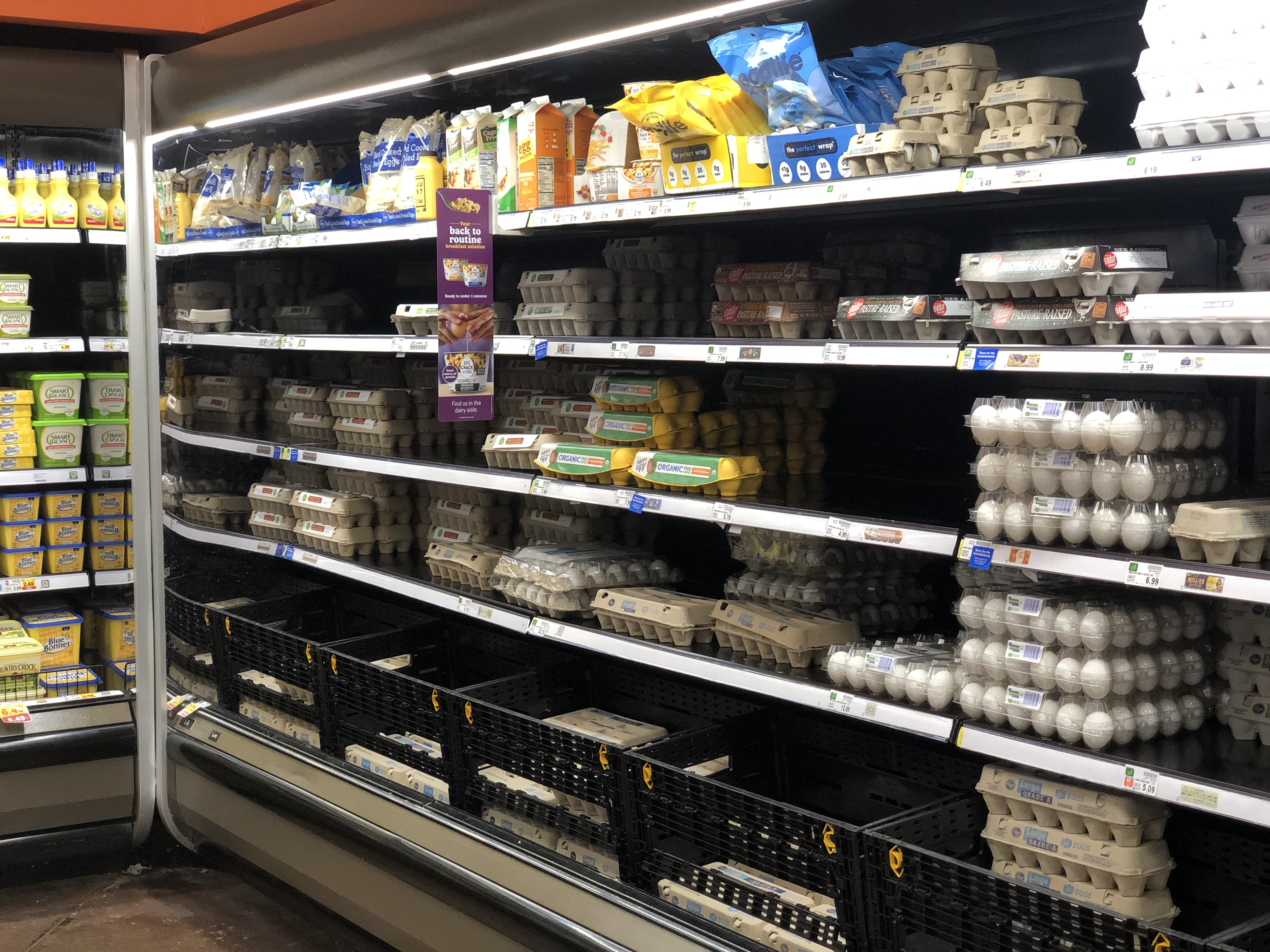
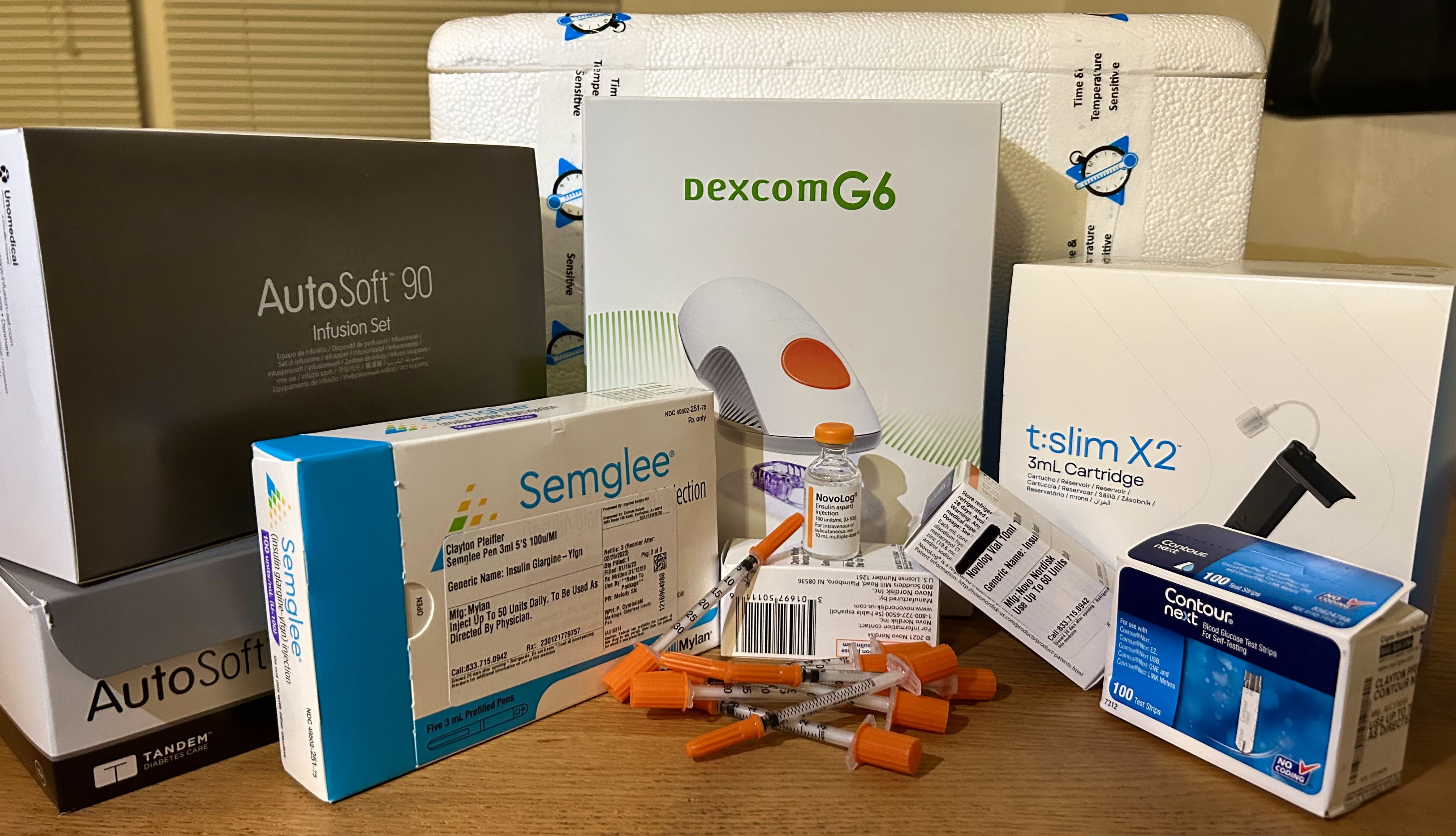
Blacksburg, Va., Jan. 24 – An overwhelming supply: A look at all of the different things that go into daily and weekly diabetes management. Photograph: Tyler McAnany

The American Diabetes Association (ADA) estimates that people with diabetes are spending $9,601 more on yearly medical expenses than those without the condition. Between inflating insulin costs, medically excused work leave, hospital trips and increased susceptibility to illnesses, people with diabetes are being forced to pay a price that goes beyond the effects of their already complicated disease. 

Clayton Pfeiffer, a type one diabetic, has experienced this first-hand since the age of six. “There have been stories of people not being able to pay and I have also heard stories about people rationing their insulin which is not healthy.” 

While Pfeiffer does mention there are insurance plans that help such as an 80-20 insurance split cost (80% covered and 20% out of pocket), it does not change the fact that costs continue to rise and apply more pressure to families. 

Modern-day diabetes technology can be quite expensive as an upfront cost but it is the recurring costs of insulin that are what make the financials of diabetes difficult to navigate. Insulin is not that expensive to produce, however, the demand for it has gone up. What was once going for $30 per vial has shot up to prices as high as $300. 

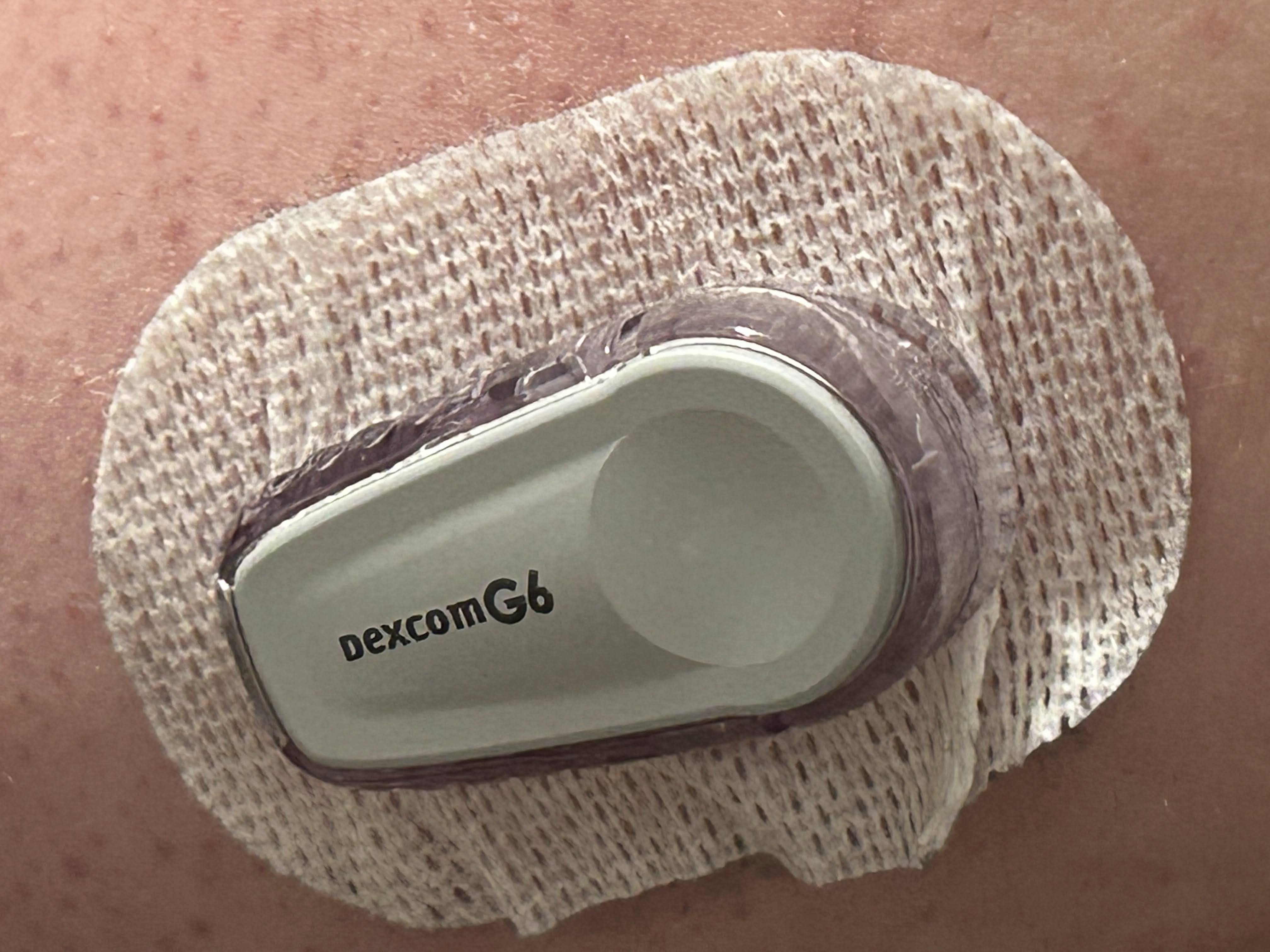
Blacksburg, Va., Jan. 24 – The future for diabetics: While the cost of care continues to rise, there are things like this Dexcom G6 pump that are making diabetes care much easier. Photograph: Tyler McAnany

The rise in the cost of diabetes care can be attributed to the rise in type two diabetes, which unlike type one, is developed and in some cases can be reversed. Nevertheless, people affected with any variation are outraged by the cost of care. Even medical professionals have taken notice of the business-first mentality that is the pharmaceutical industry. 

Heather Mulvaney, a registered nurse and certified diabetes educator, sees cruelty and unfairness when it comes to the system of purchasing piled on to the management and upkeep already required. “We’re talking about insulin that is keeping people alive and well, this is not something that anyone wants to be on. To have the costs dictate the care is unacceptable.”

While the costs present a real issue for those diagnosed with diabetes, the technology has significantly evolved to a much more hands-off means of finding vital information regarding the body. 

Pfeiffer recalled the days of when he was required to prick his finger to draw blood up to six times a day and not always knowing if or when he was “low”. “Technology has certainly come a long way. I now have pumps that regularly monitor my blood sugar levels, as frequent as every 5 minutes, and I can avoid the toll those things took on my skin.” 

He even went on to compare the new technology coming out periodically similar to new iPhones. “Always more expensive than the last, but the improved quality and function is undeniable.” 

This is not to mean that big changes to the industry are not needed. Opportunities for equipment consolidation, price changes and increased government regulations have all been discussed. 

Living a life with extra steps already presents its own hardships, but it is too often overlooked that serious financial commitments are required. As Mulvaney alluded to, people cut corners on their care because of strict financials and that alone may make people question what the intentions of the medical industry really are. 

Mountain Biking: A pricey past time

Blacksburg, Va., Jan 26 – Bike Hub: The Bike Hub is the central base for all bike enthusiasts at Virginia Tech. Assisting many bikers every day, Zachary Taub does maintenance on a student’s bike. Photograph: Noah Hayden

by Noah Hayden –

What started as a small club in the 1930’s, has become a worldwide phenomenon that’s grasping the nation. In 2011, nearly seven million people participated in non-paved surface bicycling. That number increased by almost two million by 2021. Mountain biking is only getting more popular and the biking market is expected to grow by at least 3.13 billion between 2023-2027.

While the sport is growing at a tremendous rate, that’s not to say it’s for everyone. The biggest initial challenge for newcomers is understanding the bike market. At a glance, there are tons of price points that would scare any consumer off.

According to long-time mountain biker, Ruben from BikingUniverse, parts for a bike can cost up to $10,000. As daunting as that may sound, there is a bright side. Most bikers are not buying parts for $10,000, especially newcomers.

“You can find hardtails for $5,000,” explained Zachary Taub, Virginia Tech Mountain Biking Club president and Bike Hub employee. “I usually tell people, look on Facebook marketplace first because you could probably find a decent entry-level hardtail for about $500 or so.”

There are other factors that go into the price of a mountain bike. Wheel size, tire material, pedals, type and range of the drivetrain, and even the material of the frame affect the price. When buying a mountain bike for around $500, the main concern revolves around the integrity and performance of the bike. More often than not, one may experience an accident due to malfunctions.

Charles Dye, a 37-year mountain biking veteran, explains that there is some correlation between price and safety. “I generally say to people, don’t spend much less than  $1,000,” said Dye. “When you get out on the trails, life is rougher, things break more, you want more features like suspension, and you really need to pony up like $1,300.”

For college students, $1,300 might just mean their entire bank account. How America Pays for College: Sallie Mae’s National Study of College Student and Parents, indicated that in 2021, the average college student in the U.S. borrowed just above $1,300 via credit card. With college students already relying on outside sources for money like their parents, how is it possible for so many to afford such an expensive hobby?

The most common way is by finding bikes or parts for little to nothing. “Get your way in [to mountain biking] however you can get in,” said Dye. “Usually that means borrowing your old uncle’s bike.” 

Others will recall long hours working part-time, or doing odd jobs around their neighborhood. Luke Dangel, cinema student at Virginia Tech, opened his own garage biking service in the summer of 2020. Despite the many exhausting challenges to get the money for a mountain bike, he says he would never take that experience back.

“It was incredibly fun and stimulating. I became super invested,” said Dangel. “It was one of the best experiences of my life.”

Blacksburg, Va., Jan 26 – Bike Racks: Despite dull weather, students still manage to bring their bikes to campus. There are many bike racks across Virginia Tech that display the vast number of bikers in the student body. Photograph: Noah Hayden

The Body Project

by Cyna Mirzai-

Blacksburg, Va., Jan. 27 – The Body Project Faculty Advisor Laurie Fritsch observes her facilitators before their monthly meeting begins. Photo credit: Cyna Mirzai

A typical college student is often balancing rigorous classes, extracurricular activities and a hectic social life. But what is also looming in the background for some, especially women, is a struggle with self-image and disordered eating. 

A study by the Washington University School of Medicine estimated that 11% to 17% of women on college campuses in the United States have eating disorders. While there is no immediate remedy for self-esteem and disordered eating issues, a program at Virginia Tech is working to transform the culture.

The Body Project is an evidence-based eating disorder prevention program that promotes positive body image to college students through workshops taught by facilitators. The program was created by a group of psychologists and, after four hours of the program, it has been shown to reduce the onset of eating disorders by 60%. The program includes two, two-hour workshops held one week apart.

A national program, The Body Project is found in universities across the country. The program’s journey at Virginia Tech, however, began in 2014. Laurie Fritsch, the faculty advisor for The Body Project, said that during this time, there was pressure for women to achieve the “thin ideal”.

“For many years, the aesthetic of the media and society, in general, was around being very skinny,” Fritsch said. “Society has had to continually change the script to reflect what the appearance ideal is at the current time. It used to be centered around a thin appearance ideal, then it shifted to a curvy appearance ideal, and now the norm is this fit and toned appearance ideal.”

According to the National Eating Disorders Association, The Body Project’s goals are to define the “appearance” ideal, examine the costs of pursuing this ideal and exploring ways to resist pressures to conform to unrealistic standards of beauty.

The same study conducted by the Washington University School of Medicine found that participation in The Body Project is also associated with short- and long-term reductions in core eating disorder factors and the prevention of future onset of eating disorders. This program has helped people think more critically about how the things they desire often do not bring that outcome of happiness they think it will, Fritsch said.

Blacksburg, Va., Jan. 27 – The Body Project facilitators meet in small groups to discuss how to teach an activity for future workshops. Photo credit: Cyna Mirzai

“We are fighting a very predominant ideal culture,” Fritsch said. “It’s always an uphill battle because it’s difficult to retrain people to think in such a different direction when they are learning about appearance ideals that have been pushed to them through the media and their childhood for ages.” 

Olivia Rummel, a student facilitator for The Body Project, believes the program is necessary for understanding what causes negative self-image and changing the discourse around body-related concerns.

“I have seen a lot of positive changes in my own life, both in my own journey with my body acceptance and in the ways that I interact with others,” Rummel said.

Any student who is struggling with self-image or disordered eating can sign up for The Body Project workshops on the Hokie Wellness website.

Virginia schools continue struggles with growing teacher shortage

By Jordan Meadows-

Jan. 30, 2023: Young students read and practice lessons on iPads on the outside lawn at Prices Fork Elementary School in Blacksburg, Va. (Photo: Jordan Meadows)

The state of Virginia, along with the nation as a whole, is currently facing a crisis in the education system due to a shortage of teachers. 

The shortage of teachers is due to more educators leaving than new ones joining the workforce in recent years. Most of the teachers leaving reported doing so for reasons other than retirement. This has prompted Virginia legislators to discuss potential bills that would provide incentives for teachers, such as increased pay, paid time off and shorter training. 

Low-income school districts, like the New River Valley, are taking steps to address the shortage. Some have implemented recruitment and retention programs, while others have turned to alternative forms of education such as virtual learning. 

Dana A. Robertson, an associate professor of reading and literacy in the School of Education at Virginia Tech, said that areas like the New River Valley are in a worse position than other districts in the state. 

“The smaller rural communities, the lower-income communities, were already at a disadvantage for attracting and retaining employees,” Robertson said. “Because of income differentials, it’s harder to incentivize people who don’t necessarily live in that community already to come to that community to work.” 

Some districts have collaborated with local colleges and universities to provide additional training programs, instructional assistants and internships. Despite these efforts, the shortage of teachers remains a pressing issue for the region and will likely continue to be a major concern for educators and policymakers alike. 

Matthew Williams, an aide to a Virginia state senator, said that overall, most of the legislation being proposed in the general assembly’s current session has failed early in committees.

“The general assembly is completely gridlocked. Nothing is getting done.” Williams said. “The education and health committees have not discussed the teacher shortage nor possible solutions in-depth as of yet.” 

According to the 2022 Joint Legislative Audit and Review Commission, 50 percent of school staff, including principals and teachers, reported that hiring more instructional assistants would have a substantial positive impact on addressing these issues.

More and more experts believe that the pandemic isn’t the only reason for the shortage. In 2022, the rate of teachers leaving the profession was 12% higher than the pre-pandemic average. 

The shortage of teachers is also affecting various subject areas differently. The number of open positions for special education is almost five times higher than the next highest group, mathematics. Furthermore, about 65 percent of the teachers leaving did not retire but left for other reasons – a 7% increase. Robertson says this is a result of bureaucratic accountability.

“Teachers get into the job to teach and build relationships with students. When you’re spending most of your time doing paperwork and other items for accountability purposes, which are tied to funding, it leaves the position less desirable.” 

Funding per student in the state has been steadily decreasing in recent years. Local Virginia school districts may have to use their own resources or collaborate with one another to solve their particular problems. 

Potentially harmful contaminants found in local water sources

by James Tyler Ennis-

The NRV Regional Water Authority building in Christiansburg, Va., on Jan. 30, 2023. The building helps to supply clean water to the Christiansburg area. Photo Credit: James Tyler Ennis

Residents of the New River Valley need to be aware of potential unregulated contaminants in their tap water with recent reports of ‘forever chemicals’ in the nearby Roanoke River.

According to WVTF, tests from the Western Virginia Water Authority in December 2022 confirmed that potentially harmful ‘forever chemicals,’ also known as PFAS, are still present in the Roanoke River after the initial findings in August 2022. Polyfluoroalkyl substances (PFAS) are manufactured organic chemicals that have become pervasive in U.S. waterways. In fact, 83% of 114 waterways sampled by the Waterkeeper Alliance revealed at least one PFAS compound in harmful quantities.

Meagan Cox, a lifelong resident of the New River Valley, says she wants the local water authority to start testing for PFAS and other unregulated contaminants as a result of these verified findings so close to home.

“Sometimes it’s like, oddly colored, like it will not be as clear as normal. Like I normally drink tap water so I don’t really mind tap water, but just every now and then it has some odd aspects about it that makes me just not want to,” said Meagan.

Drinking high amounts of PFAS may have harmful health effects. The United States Environmental Protection Agency (EPA) reported that peer-reviewed studies link PFAS compound consumption to reproductive effects, developmental effects, increased risk of some cancers, hormone interference, increased cholesterol levels, increased risk of obesity, and risk to the immune system. Once PFAS are ingested, there are no known ways to remove them.

Virginia has not issued any regulations on PFAS in drinking water. Additionally, testing for PFAS is expensive. Without state regulation and funding, PFAS are not often tested for or removed in municipal water supplies. This may be why the NRV Regional Water Authority has yet to conduct any publicly recorded PFAS testing or removal in the New River, the primary source of the NRV’s municipal water.

“When I talk to the public about making decisions about things like lead and bacteria, I say test and then if you need to, treat. Install something to treat the water,” said Erin Ling, with the Virginia Household Water Quality Program. 

“With PFAS, if it is a concern, it is challenging to test for both in the sense that it is expensive and that you may not be able to test for all the compounds that could be there.”

For any NRV residents concerned about PFAS or other contaminants in their tap, Erin Ling says they should use EPA-approved treatments to purify their drinking water. Activated carbon, reverse osmosis, and ion exchange treatments are all effective ways to remove PFAS. Activated carbon filters can be found in most stores and are the cheapest option, while ion-exchange treatments are the most effective. 

Water treatment systems for sale at Home Depot in Christiansburg, Va., on Jan. 30, 2023. Photo Credit: James Tyler Ennis

The NRV Regional Water Authority is filtering all the other dangerous contaminants, such as lead and bacteria, that are currently regulated by the EPA in Virginia. The EPA estimates that new regulations on PFAS in public water sources will be finalized by the end of 2023. 

How do we ice skate?

By Thomas Mundy

This is a TikTok story covering the science behind ice skates. The TikTok focuses on how ice skates glide across the ice and why it is possible. The TikTok features two ice skaters of different styles at the skate rink–one hockey skater, and one figure skater. This was filmed at the Lancelot Sports Complex in Vinton, Virginia.

Changing Mask-Wearing Mandates

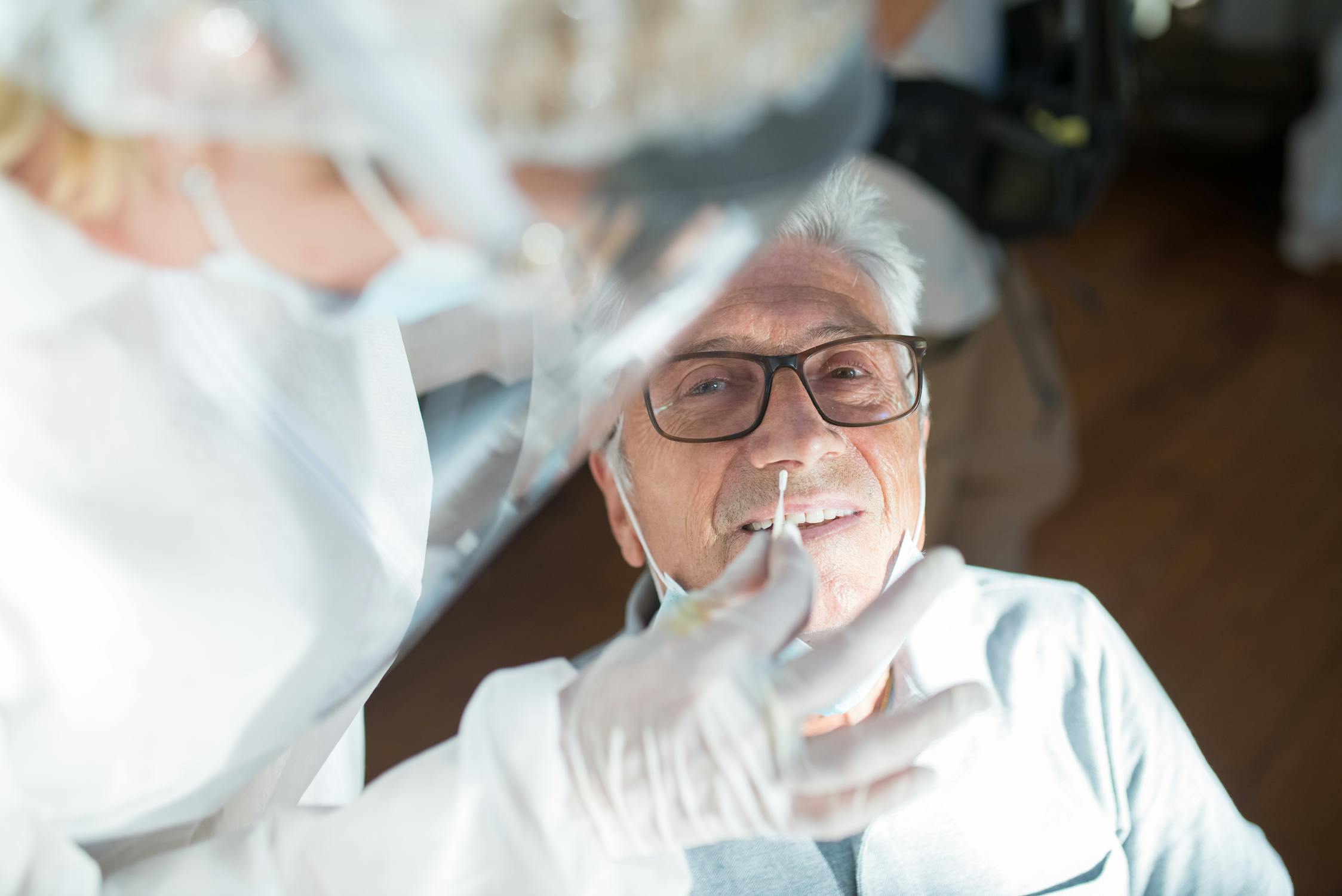
Photo by Anna Shvets from Pexels

by Autumn Zipfel, Leah Garrison–

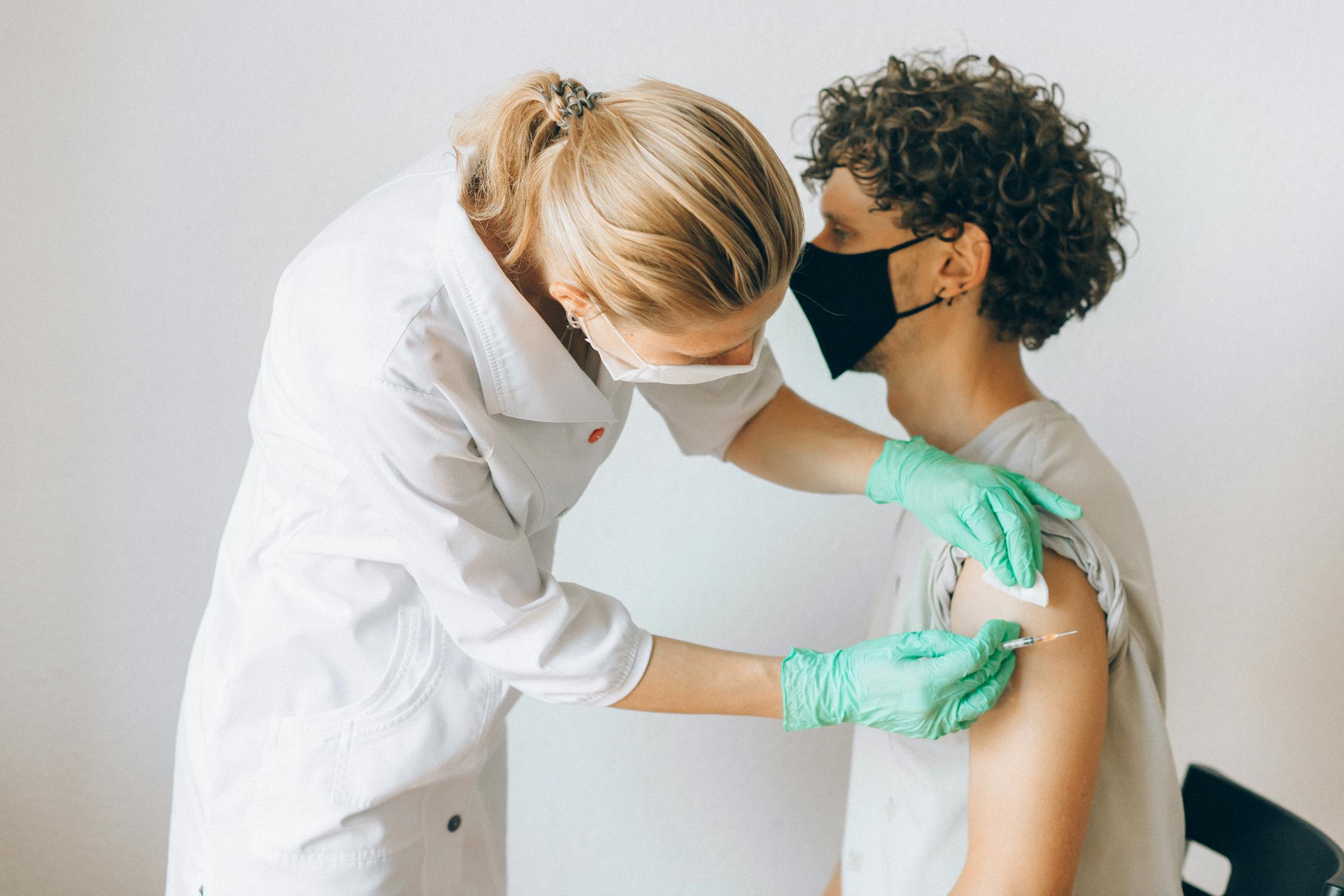
With new vaccines rolling out every day, Virginia passed a bill through the Senate, making masks optional for Virginia public schools. While the purpose of masks is to keep others safe from the spread of the coronavirus, the new vaccine introduces a new question: should masks become optional?

Tim Sands, the President of Virginia Tech, released a statement preparing Virginia Tech students for the very possibility of optional masks. To understand how current students feel about an optional mask mandate, reporters Autumn Zipfel and Leah Garrison went out on campus to gain some insight.