
By Stephanie Ramos Vargas, Crime, Justice and Safety Reporter
For Virginia Tech students, help may be closer than they think. Scattered throughout campus are blue light and indoor emergency phones that offer another way to reach public safety when students are in need of police, fire or EMS help.
Especially for the new freshman class, knowing where these phones are, also understanding what happens after the button is pressed could make a difference during an emergency.
Emergency phones are a part of the university’s layered approach to campus safety. While even though nearly every student carries a cell phone, emergency phones provide a backup source for help.
There are two main types of phones on campus. The standalone blue light phones which are located outdoors and emergency box phones that are inside buildings like residence hall and other campus spaces. Some of the older standalone phones are brown while others are a more vibrate blue color.
The phones connect to the regional public safety emergency communications center located in downtown Christiansburg. From there, a dispatcher will determine what kind of help is needed and send police, fire, or rescue help.
For Mac Babb, Chief of Police at Virginia Tech Police, the phones are a part of the broader system designed to give students multiple ways to access emergency services.
What are the emergency phones on campus and what is their main purpose?
There are two types of emergency phones: standalone blue-light phones located around campus and box phones located inside buildings.
Their primary purpose is to give people a quick way to contact emergency services. The calls go directly to the public safety emergency communications center where dispatchers can determine whether police, fire, or EMS are needed.
How does a student activate one of these phones?
It’s very simple: press the buttons.
The call goes immediately to the 911 center. A dispatcher will answer and ask questions about the emergency, and what assistance is needed and where the person is located.
When should a student use an emergency phone instead of calling 911 from a cell phone?
There really isn’t a difference. An emergency is an emergency.
If a student already has a cell phone int their hand, they shouldn’t run to a blue-light phone. They can call 911 from their cell phone or through the Hokie Ready app.
The important thing is using whichever is the fastest and most available. The emergency phones are there as an additional way to help
What happens after the emergency phone is activated?
The call goes to the dispatch center. The dispatcher asks a series of questions, takes information, and sends the call to the appropriate public safety agency.
Police generally respond to calls on campus. If it’s a medical emergency, the recuse is dispatched. If it’s a fire, fire personnel are dispatched. In some cases, all the responders may come together.
How quickly does someone respond after a phone is activated?
The call is received immediately, and responders are dispatched as quickly as necessary once the information is entered.
Officers generally respond directly to the location of the activated emergency phone. However, there are circumstances where a response can be canceled.
Can students use the phones if they don’t have a life-threatening emergency but still feel unsafe?
Absolutely.
If someone is feeling unsafe, that can be a reason to contact public safety.
In those situations, contacting public safety can connect students with resources, such as safe ride, or allow officers to address a situation.
It doesn’t have to be a situation where someone is already seriously injured. If a student needs police assistance and doesn’t have another way to call, the emergency phones are an option.
What should a student do it they accidentally press the emergency button?
Stay there and talk to the dispatcher.
The worst thing someone can do is get scared and run away. If we receive a call with no information about what happened, we have to assume somebody needs help and respond to the location.
If the student stays and says it was an accident or that they didn’t realize what the button was, the dispatcher can usually cancel the call.
No one gets in trouble for accidentally pressing the button. The exception would be intentionally activating the phone for a malicious reason.
How often are the emergency phones tested?
The exterior phones are checked monthly. Personnel test the buttons to make sure they’re working properly.
If a phone isn’t functioning, a work order is submitted for repairs. Students may occasionally find one marked out of order.
If students notice that a phone isn’t working, is flashing without connecting or has been vandalized, they should report it to the security center or police non-emergency number so a repair can be requested.
What’s the biggest misunderstanding freshman may have about these phones?
I think one of the biggest misunderstandings is that they are especially for calling the police. They’re really a way to call for help. The call can result in police, fire, or rescue being dispatched depending on what the situation is.
Understanding that it’s not simply a police phone, but a way to reach public safety is probably the most important thing.
What should every freshman know about the phones before they need one?
Pay attention to where they’re located.
Students should pay attention to their surroundings and identify resources before they need them. It’s similar to entering a building and identifying the exits in case the entrance you came thought becomes inaccessible.
The goal is to train yourself to recognize the resources around you before an emergency happens.
What would you tell a student who is nervous about contacting police through an emergency phone?
Don’t be nervous about asking for help.
We want students to see the police department as a resource. Officers are there to provide assistance when students need it.
Students can also be also become more comfortable with officers’ through community and informational programs or simply by talking with officers when they see them around campus.
It’s a good thing if you never have to call the police in your life. But if you do need help, you should feel comfortable reaching out. Officers are going to respond and provide assistance requested.
Students who want more information about campus emergency phones, including their locations around campus, can visit the Virgina Tech Police website.
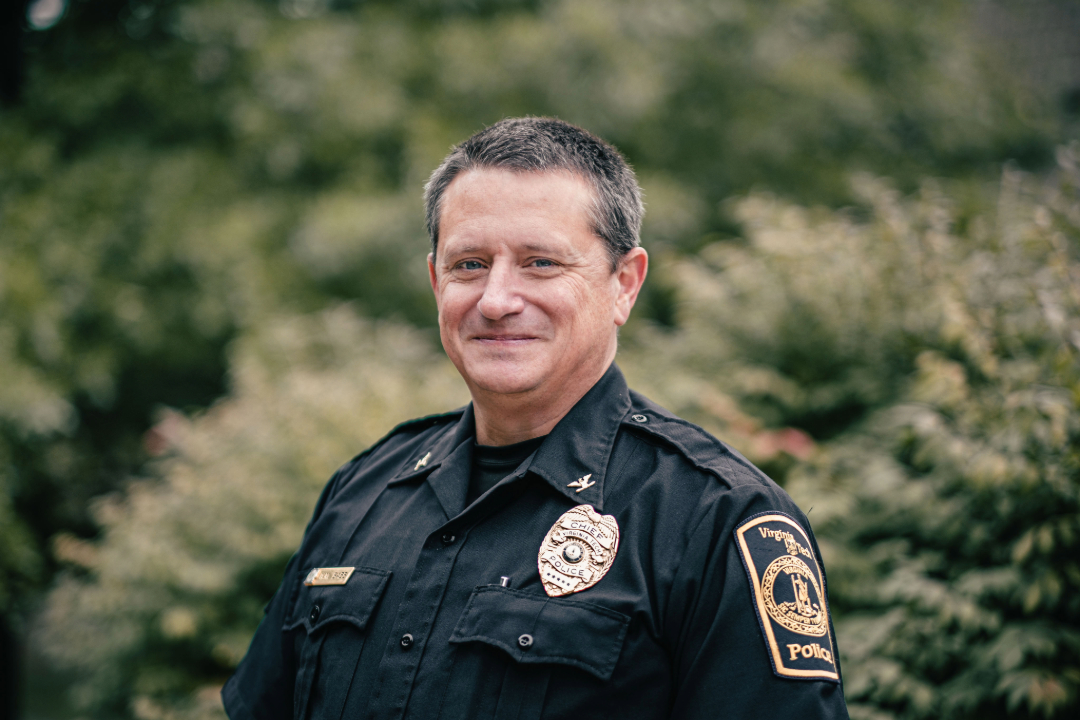
William “Mac” Babb, chief of police at Virginia Tech Police Department and Director of Security. Photo provided by Mac Babb.

