
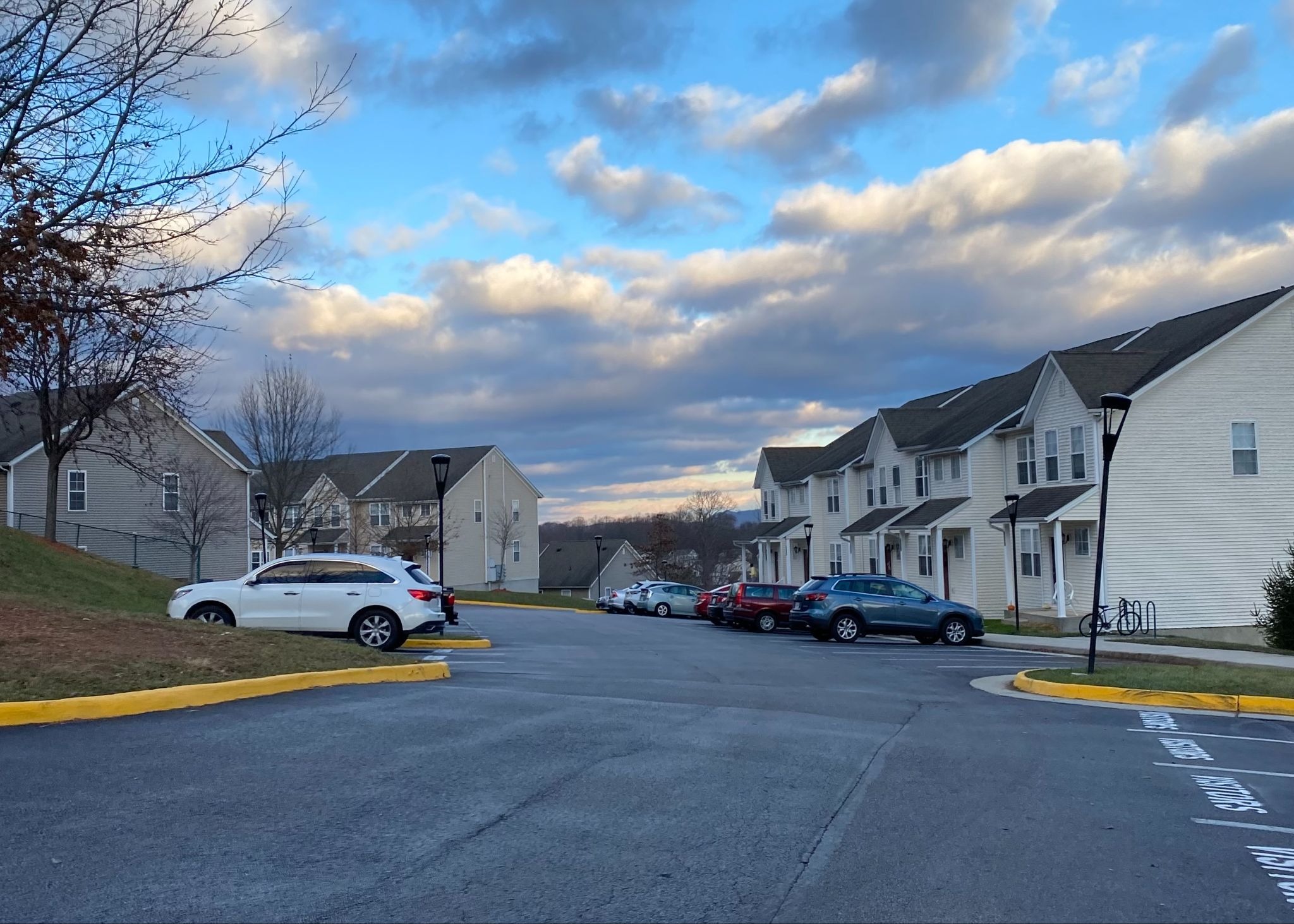
The Town of Blacksburg considers the increasing enrollment at Virginia Tech with recent ordinance decisions regarding off-campus housing. (Photo by Emily Dorsey, TheNewsFeedNRV.com)
By Emily Dorsey, politics and government reporter
_______________________________________________
“It’s really the destruction of the place … [Blacksburg is] unrecognizable anymore,” said Kimberley Homer in an interview regarding recent housing developments, sustainable living and quality of life in Blacksburg, Virginia. Homer has lived in Blacksburg since 1980, first as a student and later as a Virginia Tech employee, working with Technology-Enhanced Learning and Online Strategies (TLOS). Throughout her years as a Blacksburg resident she has seen more large-scale student housing developments, increasing student presence in residential neighborhoods and growing town-gown tension.
“Town-gown” refers to the relationship or tension between a university and local residents which is a popular concept talked about in Blacksburg, Virginia. Town-gown housing issues can be dated back to 1996 when Virginia Tech’s off-campus housing was in a shortage. The university has seen a 7.3 percent increase in first-year enrollment from 2020 to 2025, now enrolling over 7,000 freshmen undergraduate students. This leaves roughly 2,000 beds for upperclassmen, transfer or graduate students if they choose to live on campus.
In Fall of 2022, Virginia Tech’s Student Life Village was proposed by Virginia Tech Board of Visitors (BOV). The board comprises a range of representatives and experts appointed by the Governor of Virginia including the President of CMG Leasing, CEO of Clark Construction, Virginia’s executive vice president of Dominion Energy and more. The Student Life Village presented a new residential district that involved dining, recreation, housing and enrichment opportunities for up to 5,000 students. In March of 2025, the BOV rescinded the proposal and stopped all action in reference to the project. The BOV affects campus housing by deciding master plans, funding renovations and determining strategies. In tandem, limited on-campus housing options impacts the off-campus housing market.
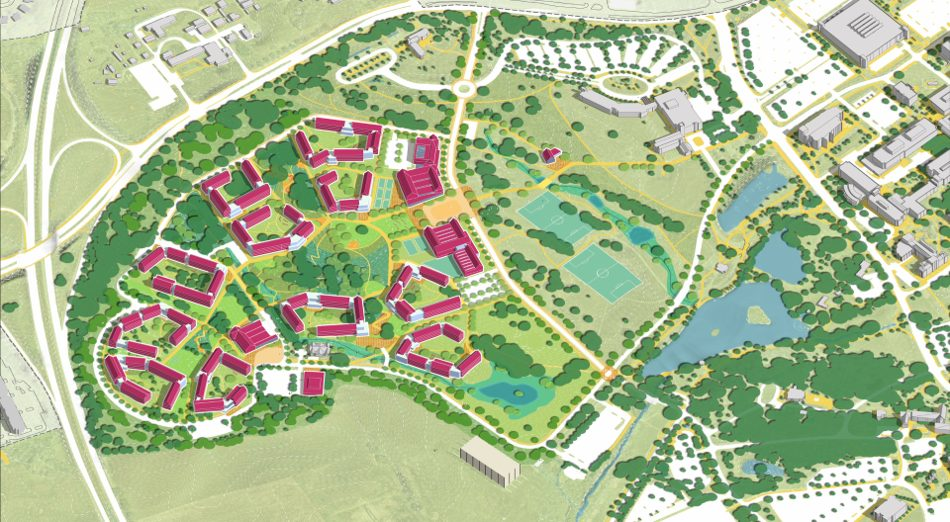
The proposed Student Life Village. Photo courtesy of Virginia Tech News/Sasaki.
Mayor Leslie Hager-Smith commented on Virginia Tech’s part in Blacksburg’s housing crisis at the Town Council meeting on Dec 9.
“The university will always have the upperhand. Virginia Tech can purchase any property it wishes,” said Hager-Smith. “The situation is confounded by the compounding conflict of interest that certain members of the politically appointed board of visitors have. They are crafting university policy on housing and enrollment while also profiting on the private side – building student housing.”
The off-campus student housing complexes vary based on price, availability and accessibility to campus. The Edge, Union and Hub are closer to campus with good walkability but nears $1,000/month for rent. Complexes like Foxridge and The Mill are slightly more affordable but are on the outskirts of town. The median price for off-campus student housing options fall between $700-$1,000 a month depending on how many bedrooms and bathrooms. If a student worked 20 hours a week at the median wage, they would earn around $1,000/month. With this take home pay, about half of the off-campus housing options are not affordable. This is one factor contributing to Blacksburg’s housing crisis.
Blacksburg is unique to other Virginian universities and surrounding towns based on student population ratio. Compared to University of Virginia, James Madison University and Virginia Commonwealth University, Virginia Tech has the smallest city population to student population ratio. For every 100 permanent residents in Blacksburg, there are about 86 students at Virginia Tech. With roughly 9,000 campus beds and nearly 39,000 students, this creates a very high housing demand and affordability issues for both students and locals.
“I’ve seen the amount of housing available continue to decline. We have more people who want to live in Blacksburg or move to the area who simply cannot find a house or afford the few houses that are available,” said Blacksburg town council member, Susan Anderson, in an interview regarding housing development growth she’s seen over the years.
With apartment and townhome rent in Blacksburg being out of range for students’ budgets, many turn to residential neighborhoods in town or in Christiansburg which range from $400-$700/month per person. With more undergraduates filling up existing residential neighborhoods, this pushes out families, couples and graduate students looking for long-term housing options.
If Virginia Tech continues to increase enrollment without developing more on-campus housing and if the Town of Blacksburg continually supports projects that are not realistically affordable, students and Blacksburg residents will be met with increasing rent, neighborhood displacement and tension between the town and university.
“It’s really the destruction of the place … [Blacksburg is] unrecognizable anymore.”
In the last decade, Blacksburg’s Town Council has added 5,400 beds in off-campus student housing. The Edge and Brexx at Blacksburg, formerly known as The Retreat, were built in this time frame alongside other complexes’ renovations. In 2016, a Collegiate Times article questioned if Blacksburg has too many off-campus options which now is contradicted by a handful of current developments occurring throughout town.
Two developments close to South Main Street, Midtown and Legacy on Main, have been under construction for a couple years. Midtown will “offer civic, commercial and residential mixed-use public space for all to enjoy” according to their Facebook profile.. In essence, it is a multi-purpose buildout which offers four-story townhomes, two-level condos and other recreation and dining experiences near Downtown Blacksburg. These townhomes and condos are listed from 600,000 to over one million dollars on Eagle Construction of Virginia website and are geared towards teachers, police officers and other full-time workers in Blacksburg.
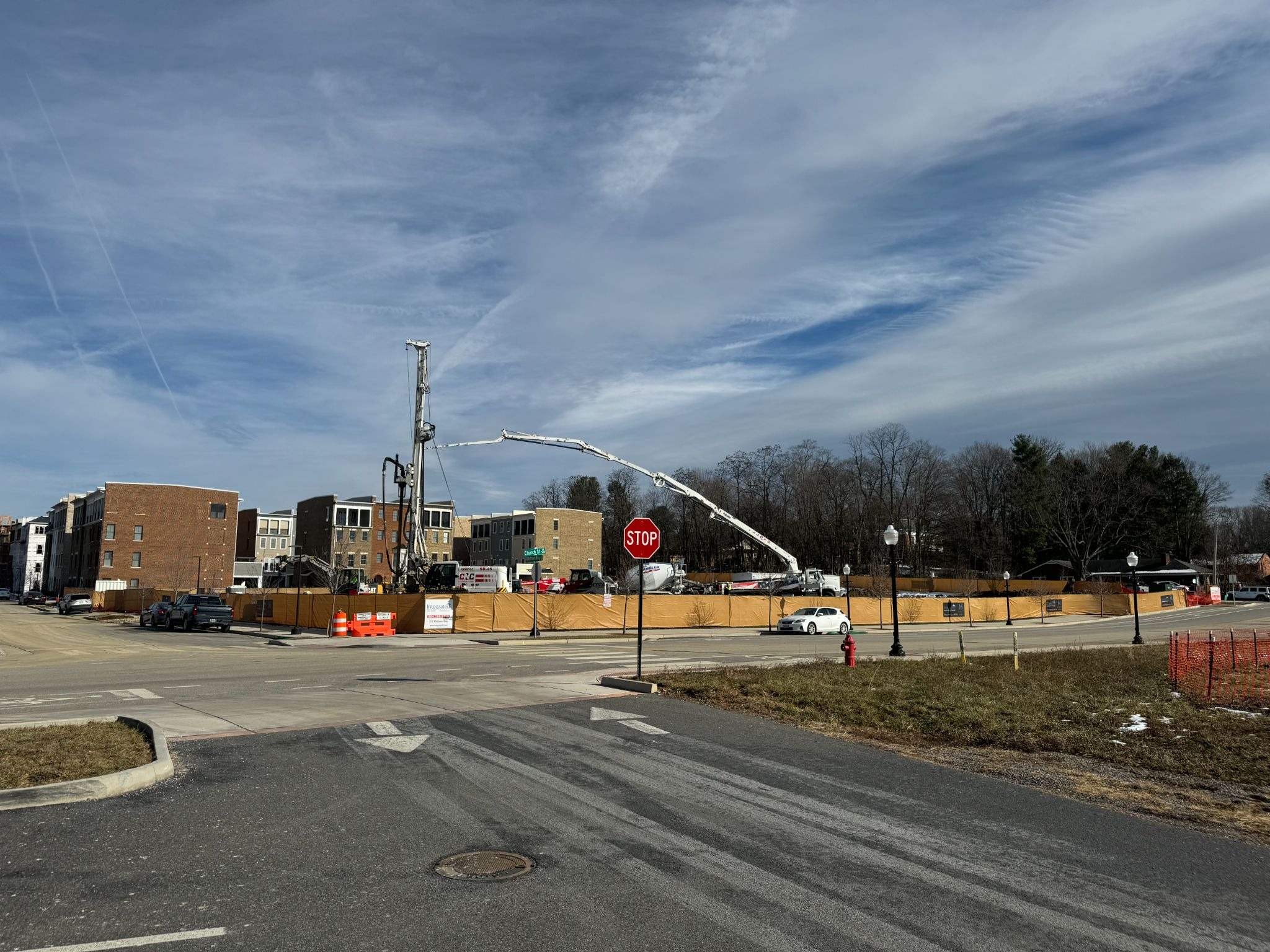
Dec. 13, 2025, Blacksburg, Va – Construction for Midtown happening along Church St and Midtown Way. (Photo by Emily Dorsey, TheNewsFeedNRV.com)
Legacy on Main is a three-story apartment complex with 56 units which prioritize Blacksburg residents, not undergraduates, who need affordable living options. The future residents will have to qualify and earn up to 80 percent of Blacksburg’s Area Median Income (AMI) which was $63,000 in 2021.
Ordinances 2090 and 2094 were voted down on Tuesday, Dec 9 by the Town Council. They proposed housing developments on Webb Street and University City Boulevard respectively. Both ordinances proffered multi-story, luxury apartment complexes with limited parking and high increase in pedestrian, biker and vehicle safety concerns. While these ordinances were cut, various opportunities for developers remain. Ordinance 2095, was recently approved which will add a handful of townhomes next to an existing apartment complex on Whipple Drive.
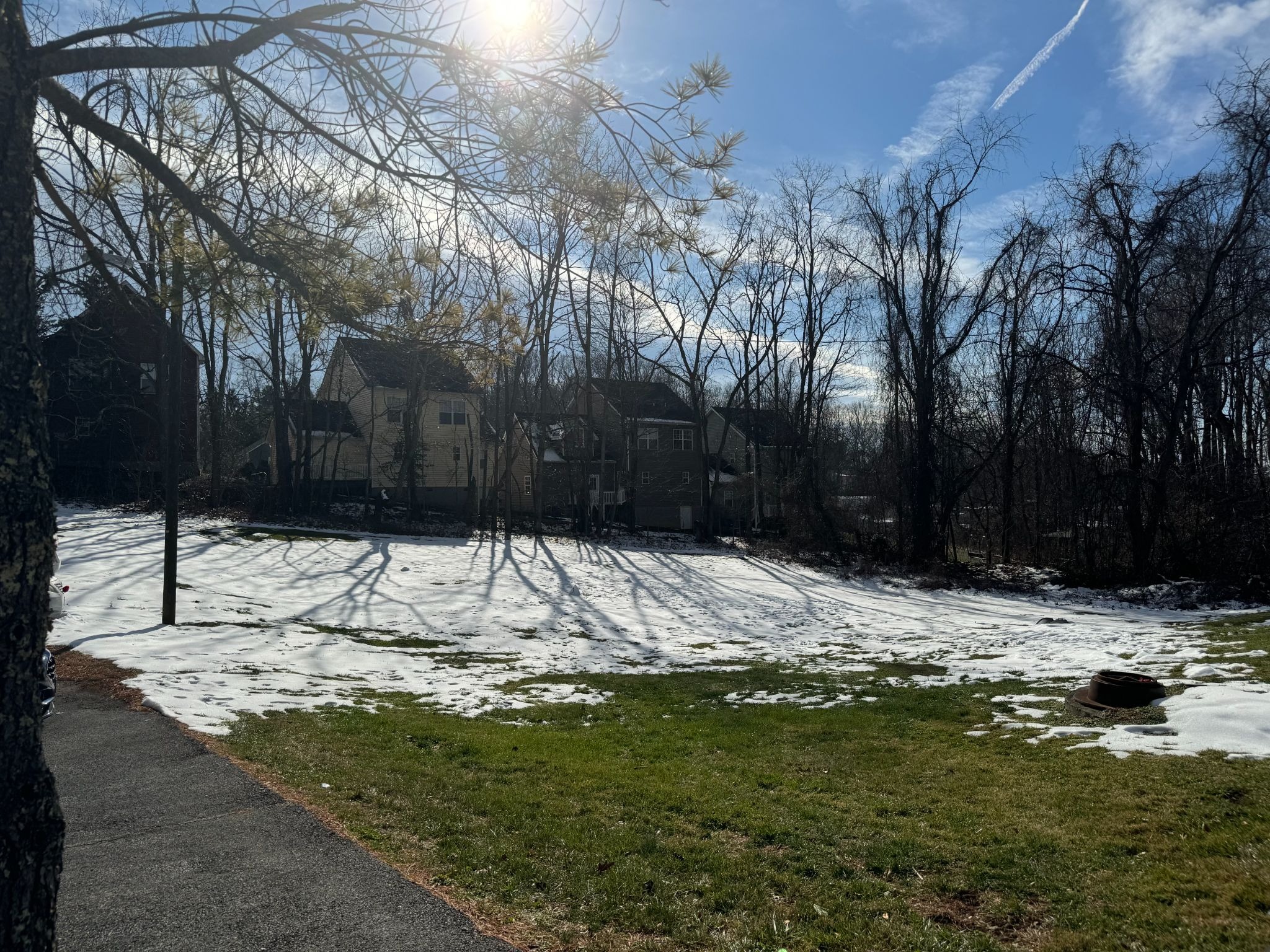
Dec. 13, 2025, Blacksburg, Va – Whipple Drive Townhomes will back up to existing student housing, Uptown Village. (Photo by Emily Dorsey, TheNewsFeedNRV.com)

The proposed Whipple Drive Townhomes plan. Image courtesy from the Town of Blacksburg website.
Lastly, a close 4-3 Town Council vote approved a controversial development on North Main Street in March 2025. This development includes an eight-story, 700+ bedroom apartment complex being constructed near the well-known Downtown round-a-bout. Many citizens raised concerns at the public hearing regarding population density, traffic, pedestrian concerns, parking availability and the effect it will have on Blacksburg’s overall character.

The proposed 801 North Main Street development. Image courtesy from the Town of Blacksburg website.
“We can’t say no more student housing, no more other people housing,” said Anderson. “That’s just ridiculous. We have to try to balance everybody’s housing needs. That’s a really hard struggle.”
Anderson shared that the Town and Council are working in various committees to mediate these issues. First, the Blacksburg-Virginia Tech Liaison Committee which includes the Mayor, Vice-Mayor, Town Manager and the two Deputy Town Managers who meet with six vice presidents from Virginia Tech monthly to discuss needs and topics that affect both the town and university. Second, is the Montgomery County Liaison Committee. The members include Blacksburg’s Mayor and Vice-Mayor who meet with others from Christiansburg and Radford to discuss and collaborate their shared issues and concerns.
“The university will always have the upperhand. Virginia Tech can purchase any property it wishes.”
The housing crisis Blacksburg is facing affects both students and long-term residents, deciding who can afford to live in town and the change in character. As off-campus developments increase rental prices, students turn to other options like residential neighborhoods or find housing in Christiansburg which intensifies competition for limited space. As a result, families, couples and full-time workers are consistently priced out, unable to find housing that fits their needs and budgets. Virginia Tech and the Town of Blacksburg are urged by its citizens to take a more collaborative approach that prioritizes affordability, sustainable growth and values community concerns. Without more change, the divide between students and residents will deepen, further straining the town-gown relationship that defines life in Blacksburg, Virginia.
 > THE NEWS FEED <