Stretch, Breathe, Belong: Yoga’s Impact on Campus and Community

By Sage Mayhew, Health and Wellness Reporter

In a town known for its fast pace and high expectations, yoga is helping Blacksburg residents and Virginia Tech students slow down — and breathe. During National Yoga Awareness Month, both professors and students say the practice is reshaping how they navigate life.

Yoga has been praised for its physical benefits for decades, but in Blacksburg, it’s receiving attention for something deeper: its power to transform how people show up, carry themselves and connect with each other. With the spotlight on this September, local voices are highlighting yoga’s unique impact on both mind and body.

From student-led classes at Virginia Tech Recreational Sports to seasoned professionals teaching at In Balance Yoga Studio, the message is the same: yoga isn’t just a workout. It’s a way of life, and one that many say they didn’t know they needed until they found it.

For Virginia Tech senior Emma Roland, the weight of pursuing majors in both biological sciences and human nutrition, foods and exercise can pile up quickly. Roland always thought that yoga was just about stretching, but when she was introduced to it through one of her courses, she not only found a way to slow down the pace of her own life and catch her breath, but a way to give back to others as well. Roland was hooked and earned her 200-hour yoga instructor certification from In Balance Yoga studio in Blacksburg. Now she teaches weekly classes with Virginia Tech’s Rec Sports. Her classes focus on being present in the moment, setting goals and finding an outlet in all the chaos of life. She emphasizes the importance of letting go of everything exterior and taking time to relax your body and mind. When talking about her classes and participants, Roland says, “We’ve all had a long day and it’s like, okay, the next 45 minutes we can just worry about what’s going on within these four walls.” 

Ella Roland instructing yoga at Virginia Tech Rec Sports. Blacksburg, Va. Sept. 16, 2025
(Sage Mayhew, Newsfeed NRV)

The impact of yoga extends beyond just helping students. “Yoga saved my life, and I think it’s going to help me help others,” said Dr. Samantha Harden, a 500-hour registered yoga instructor at In Balance Yoga Studio, dissemination and implementation science researcher and professor. Like many, Harden was constantly chasing success, climbing the ladder, and reaching for career excellence. However, she found that her best self isn’t rooted in professional success, but in authentic moments where she can breathe, process, and slow down. Once she started, the shift was undeniable. Colleagues began to ask what had changed, how did she become more professional, more present, more positive? Her answer? Yoga. 

When Harden first discovered yoga, she thought it was superficial and more about the look than anything else. However what she found couldn’t have been more different. “It’s just other people trying to breathe, and use story, and posture and community to heal.” She shared, “You can learn so much about yourself – your level of surrender, your discipline, your grit. There’s a lot more to it than postures…It’s your interaction with someone on the sidewalk, or behind the wheel, or in a class. Your ability to create union goes way beyond the mat…being present with others is how yoga can change Blacksburg and how we can be a bright light in the darkness.” That’s exactly what yoga is doing, creating change.

Both Roland and Harden, grateful for what yoga has done for them, agree that it’s about more than just personal improvements, but a way to give back and to build community. Harden shared that “The United States is facing a social isolation and loneliness pandemic, and yoga is an opportunity to improve your social health as much as it is your mental and physical health.” The benefit of entering a studio, seeing familiar faces, learning and growing together, builds community, consistency, and connection in a time when it’s needed most. 

When it comes to yoga, “The doors are always open,” says Harden. Both student and professor urge more people to make the first stretch, and try yoga. “Just come and see the impact just one class can have, how it leaves the body and the mind in a more relaxed and present state.” , says Roland. With two separate locations in Blacksburg, and classes online, In Balance Yoga Studio offers over 40 classes weekly for all ages and experience levels. For students looking to get involved and stay on campus, Virginia Tech Rec Sports also offers various types of yoga classes every week for anyone to join. 

In Balance Yoga Studio on Main St. Blacksburg, Va. Sept. 18, 2025 (Sage Mayhew, Newsfeed NRV)

Yoga isn’t just a practice for super fit people or people that seem to have all the money and time in the world. It’s for anyone needing to breathe, find an outlet and give their mind and body rest. “No matter what time of day or who you are there’s a class that can meet you where you are,” says Harden. 
Researchers at Virginia Tech Combine Public Health and Geography Expertise to Understand a Concerning Trend.

By: Eli Lamport, science reporter

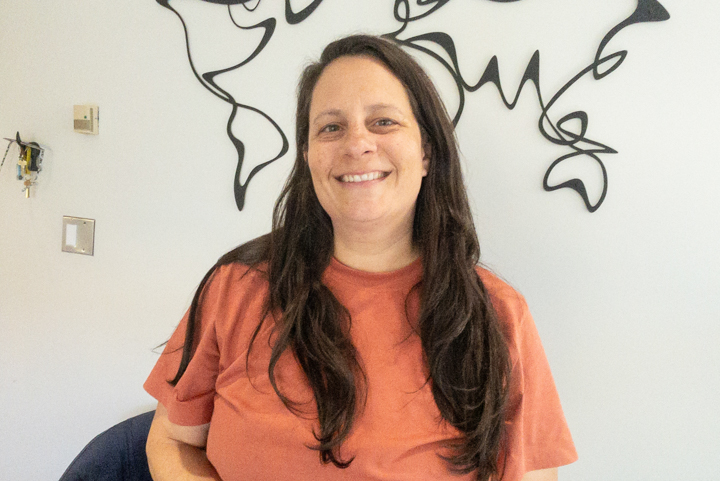
Dr. Korine Kolivras in her office in Wallace Hall, on Virginia Tech’s campus.

Dr. Korine Kolivras is a medical geographer with more than 20 years of experience in her field. At Virginia Tech, she has embarked on research into the spread of Lyme disease in the New River Valley area.

Dr. Kolivras also teaches several undergraduate courses and works directly with graduate students in Virginia Tech’s Department of Geography. I sat down with Dr. Kolivras to discuss her background, research, and thoughts on the current state of science in the United States.

(Editied for clarity)

You describe yourself as a medical geographer. Can you elaborate on that? What does that mean? What does your day-to-day look like? 

Stepping back a little bit, as a geographer we study why things are where they are. So some people call it the science of where, because we’re understanding why is that type of plant here and not there? Why is this city here and not somewhere else? So I study why diseases and health concerns are where they are, what factors are unique to making certain places healthy or less healthy and also how diseases spread from place to place. So day to day, I do research related to that. 

How do medical geographers work alongside other kinds of geographers, and what other fields does your work overlap with?

Yeah, so I collaborate with people within geography as well as in other fields and disciplines. It’s pretty interdisciplinary. So, within geography, we’re trying to figure out where diseases are, but oftentimes that’s where certain insects are. So it’s like, where are ticks living? Where they’re living, we’ve found that Lyme disease is higher, where we have land cover change, where we have different land covers next to each other. So a forest, a large forest patch next to a farm field, for example, that’s the type of place where we would have Lyme disease more typically. And so I could work with bio-geographers and people that study land cover change. And then outside of geography, I collaborate with people in epidemiology and public health, but also, I could collaborate with people in sociology, because they understand population patterns and population level decision making within society. 

How did you end up in this field? Do you remember a moment where you realized this is what you wanted to do long term?

First of all, in K-12 education we don’t get a really good understanding of what geographers do. Students come into my class, and it’s just like memorizing capitals and where rivers are and stuff. That’s not really what we do, you know, the location of things is definitely important, but it’s more about what else is going on in that place?

In college, I started out as a Spanish major because I love to travel. I love languages, and then I just randomly took a geography class. And I’m like, oh my gosh, this is where the cool stuff is, the stuff that I’m excited about. So I switched my major to geography. And actually, it was my senior year of undergrad when I first took a medical geography class. It was fascinating to combine this idea of geography and why things are where they are, with thinking about human health. It also made me realize that I could do research that could make a difference. I feel like everyone deserves good health, and so by doing this kind of research, it could help with that. So I went on, I got my master’s degree and then my PhD doing medical geography related work.

You have done extensive research on Lyme disease trends within Virginia. Can you tell me more about that process, and why Lyme disease continues to spike in this area?

I first got started working on it a little over 15 years ago when the Virginia Department of Health noted that Lyme diseases were increasing in Virginia. I think the number of cases tripled over a 20 year span, and they were looking to do a study to try to understand why that was happening. And so that’s when I first got started on it. And then eventually I got funding from the National Science Foundation, which was critical in getting this research started and trying to understand Lyme diseases spread. Early on, we had a lot of cases around northern Virginia. There’s a lot of people living there. There’s also a lot of suburbanization. Suburban areas are often hotspots for the disease. Starting around 2014, the New River Valley was a hot spot. We had a lot of cases down here. So my research is centered around  trying to understand why that spread happened and why some places have high rates of Lyme disease and some places have low rates. 

Even when we standardize and adjust by population, some areas stand out as having a lot of cases. And so what we found is that within plots of land that had high rates of forest patches next to herbaceous land. So like a pasture, a farm field, you know, grassy areas, those  were the census tracks that had the highest rates of Lyme disease. And honestly, if you drive around, that’s what a lot of neighborhoods around Blacksburg are like. And honestly it’s kind of a cultural thing where that’s what we want our suburban developments to look like. We want to live in areas where you’re close to forest or greenspace, which is understandable, but at the same time, it supports this Lyme disease cycle. 

How do you feel about the state of your field going forward? 

I’ll speak about science more broadly. The United States has been an innovator and leader within science for decades. Developing new things, new solutions, discoveries. And I am a bit concerned about the decreased focus on research funding that we’ve seen recently. I’ve gotten funding from the NSF, and that’s definitely something that could be in jeopardy. Science research is so important, and I’m not just saying that as a researcher, but also as a member of the public.

The 2025 Flu Takeover

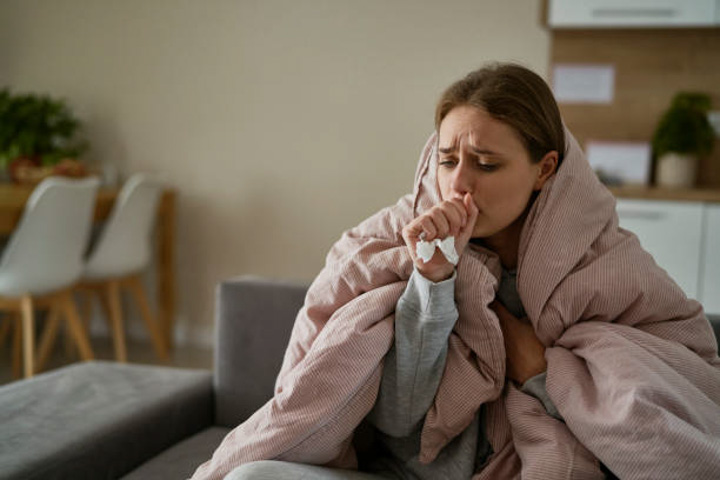
Photo Courtesy: iStock.com Photo credit to Getty Images

By Madi Poole, Health and wellness reporter

A look into what Influenza, a viral infection of the nose, throat and lungs, and also better known as “the flu”, has done and caused this year for all ages. Giving you a 2025 flu update from how many people got their flu shot this year to how many suffered from the flu this year and just how intense was this year’s flu season compared to past years?

Why it matters: The flu continues to take over each year, this year produced some new records on flu rates and deaths caused by the flu taking precautions where needed like getting your flu vaccine can be critical especially those of high risk.

  • As of February 1st, 2025 the CDC has reported that 45% of adults have received a flu vaccination and 45.7% of children have received a flu vaccination. 
  • These rates are just about the same as compared to last year. Unable to see a huge increase in people getting their flu shots each year.
  • While only less than half the United States received their flu vaccination it has been reported that the CDC estimates at least 24 million people have had the seasonal flu this season.
  •  Of the 24 million who caught the flu this season 310,000 were hospitalized and 13,000 deaths caused by the flu this 2024-2025 flu season, 57 of those deaths were children. 

The Big Picture: Looking at statistics from just a few weeks ago it was reported for the week of January 25th through February 1st:

  • 31.6% of people who visited a doctors tested positive for the flu
  • 48,661 people with the flu were admitted into the hospital
  • 2% of deaths attributed to the flu
  • 10 pediatric deaths due to the flu were all reported in just one week.

Jaymie Bollman, a pediatric nurse, tells us about how bad it has been in her office for the flu this year “I have been at this office for four years now and this has probably been the most intense flu season I have seen yet.” Bollman tells us that she has seen children ranging from all ages come in and test positive for the flu “Seeing the flu in kids is not super rare just because once it starts in school it doesn’t stop for a while but we have had kids from three years old all the way to 17 come in here and test positive for it just in the past two weeks.”

Zoom In: One aspect of this year’s flu season that surprised doctors was for the first time since the pandemic there was a week that had more deaths caused by the flu than COVID-19. CBS News reported the week ending on January 25th, 2025:

  •  1.7% of all deaths reported were due to the flu
  •  1.5% were reported due to COVID-19
  • Rates of hospitalizations due to the flu were three times higher than COVID-19 because of this season’s record high of Influenza cases.

Luke Darrah talked to us right after having the flu, comparing it to COVID-19 “I have had both Covid and the flu multiple times but the flu I had this year was worse than any other year and worse than when I had covid.” Darrah tells us a little about the symptoms he was feeling this time around “I just felt very weak and exhausted but the congestion was the worst part. I struggled breathing out of my nose for a while.”

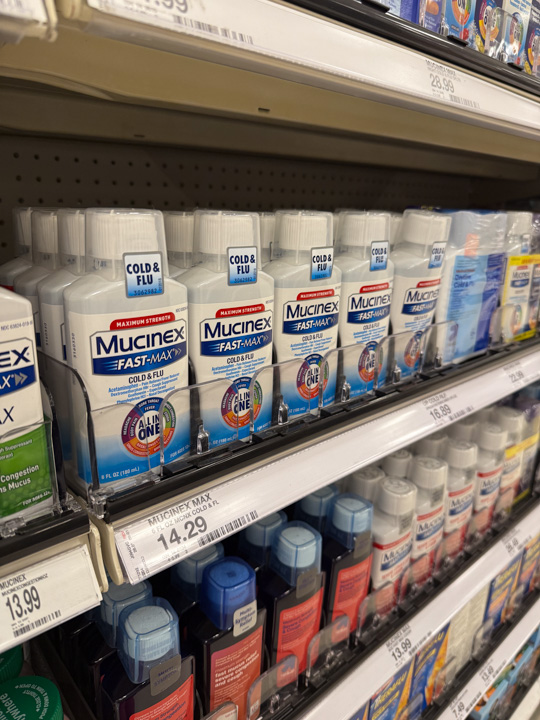
Stores like Target, Walmart, CVS, and Walgreens are making sure cold and flu medicine stays stocked due to the high demand for the medicine during flu season.

What we’re watching for: Moving forward this year as “flu season” comes to an end precautions should still be taken. The CDC always recommends health advice on how to avoid or minimize the chance of getting the flu. The CDC recommends:

  • Everyone six months or older should get a flu vaccine
  • Stay at home when you are sick
  • Cover your nose and mouth
  • Clean your hands
  • Practice good hygiene and other healthy habits

Virginia battles against bird flu outbreak

by: Gracie Gosier, environment reporter.

A new outbreak of the avian influenza virus, otherwise known as bird flu, caused by the H5N1 strain, has been confirmed in many states, including Virginia. Rapid increase in the number of cases raises concern among the state’s public and health officials.

Wild turkeys by the side of the road. Photo by Gracie Gosier.

The big picture: There is a statewide demand for all poultry farmers to improve biosecurity to preserve the health and welfare of all chicken raised in Virginia

Why it matters:

  • On January 16, 2025, Virginia Department of Agriculture and Consumer Services (VDACS) stated that testing of a commercial poultry flock in Accomack County revealed positive findings for H5 bird flu.
  • On January 20, the Metro Richmond Zoo reported H5 bird flu detections in two deceased cranes.
  • Hunt Club Farm in Virginia Beach killed nearly 300 birds after a handful tested positive for H5 bird flu.
  • H5 bird flu outbreaks have also been found at three poultry sites in the Delmarva region, affecting over 500,000 chickens.

The Virginia Department of Wildlife Resources (VDWR) has reported an increasing number of sick or dead wild birds along the Eastern Shore. Due to this increase the VDWR released a list of recommended precautionary measures for dealing with dead wild birds that may end up on one’s property to avoid it spreading to people. The Virginia Department of Health also has a resource page on the virus and what to do if you think the H5 bird flu is present. However, almost all the cases where H5 bird flu was found in humans in the U.S were people who work with poultry and cattle regularly. Still, this doesn’t mean that the outbreak shouldn’t be of public concern.

Dr. Mike Persia, John W. Hancock Professor and Extension Specialist, Poultry Nutrition & Management. Photo by Virginia Tech School of Animal Science.

Zoom in: Poultry expert Dr. Mike Persia, warns that wild birds migrating toward flocks and cattle have the ability to fly over local farms and spread the virus. According to Persia, the virus causes 60-80% death in birds, and it just takes a few extra precautions to keep the entire flock safe. Persia outlined extra preventive steps to avoiding the virus among wild birds. “The alternative is if you have a positive, you’re going to lose your entire flock,” said Dr. Persia.

What we’re watching: Although H5 bird flu has not been discovered in people or dairy cattle in Virginia, the latest cases are extremely troubling for the state’s economy. Cattle, dairy, and eggs are some of the top commodities that the state produces. The outbreak has already contributed to record high egg prices and low demand, as the H5 bird flu has reduced the total number of laying hens.

  • According to the VDACS, Virginia’s agriculture industry has an economic impact of $82.3 billion annually and provided more than 381,800 jobs in the past year.
  • Since December 1, 2024, over 16 million laying chickens have been infected and depopulated due to the virus, which represents approximately 5% of our total national flock lost.

Although the prevalence overall in the country seems relatively low, tracking human infections in the dairy industry has been an ongoing challenge throughout the bird flu outbreak. Residents and officials can work together to reduce the effect of the outbreak and limit its spread by remaining informed, adopting sufficient biosecurity, and following recommended health precautions.

The impact of substance addiction on the New River Valley community

By Evvy Fite, health & wellness reporter.

Photo by Pixabay

Among the many difficulties faced by rural communities, one that often goes unnoticed and under-discussed is the prevalence of substance use and abuse. In many cases, the resources that could help are few or non-existent, and life’s circumstances leave people defeated and more likely to turn to drugs or alcohol.

Why it matters: 

  • According to the Rural Information Health Hub (RIHH), “substance use disorders can result in increased illegal activities as well as physical and social health consequences, such as poor academic performance, poorer health status, changes in brain structure, and increased risk of death from overdose and suicide.” 
  • These problems perpetuate existing difficulties within many rural communities, and in many cases people in these areas are held back from improving themselves and their lives because of them.
  • The vicious cycle of substance abuse and other compounding problems holds these communities back and makes them a place to get out of, rather than a home to be proud of.

The big picture: RIHH states that “factors contributing to substance use in rural America include:

  • Low educational attainment
  • Poverty
  • Unemployment
  • Lack of access to mental healthcare
  • Isolation and hopelessness
  • A greater sense of stigma”
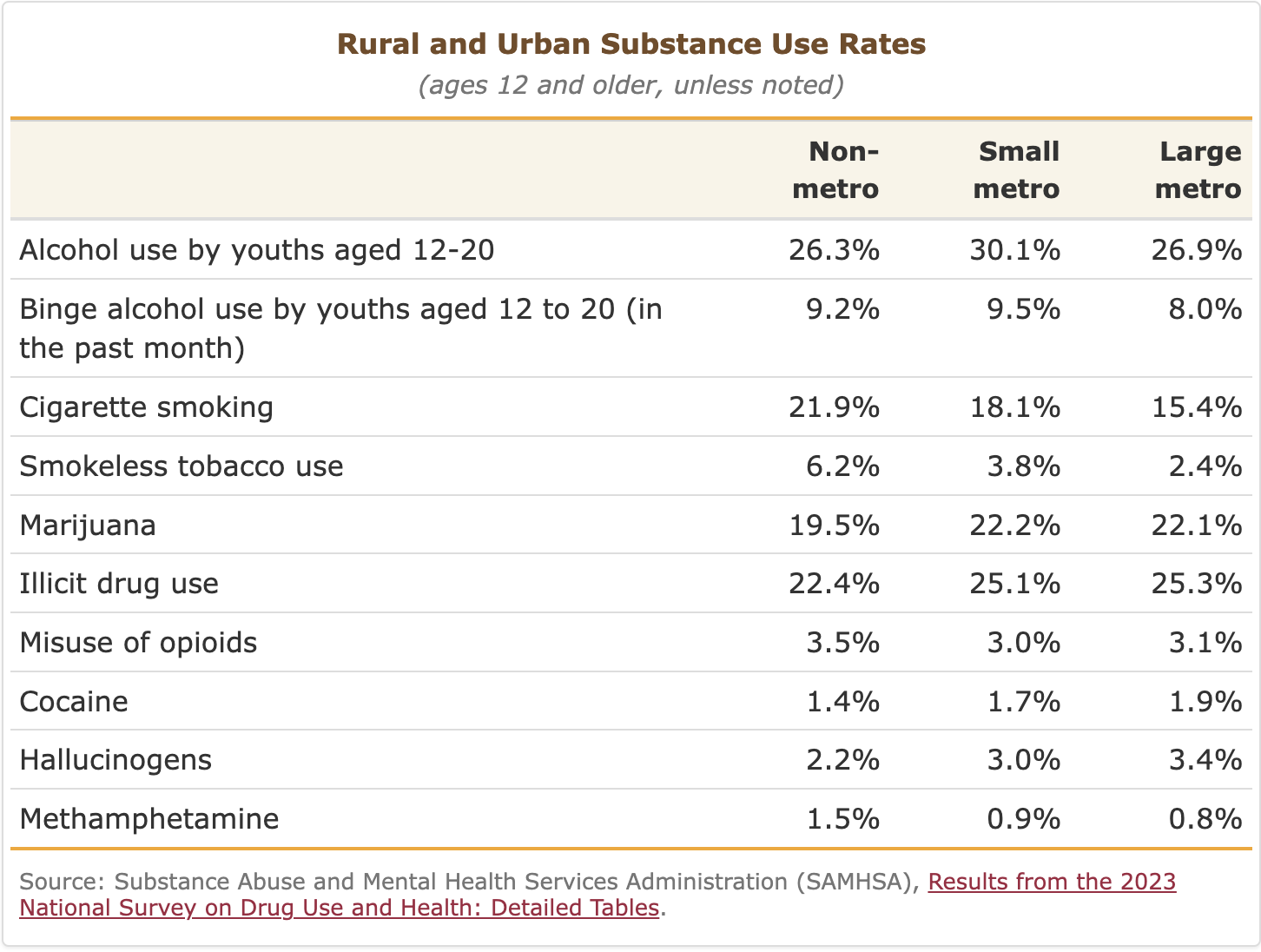
Screenshot from Rural Information Health Hub website.

Alcohol and nicotine are the most notable offenders. 

  • According to the RIHH chart on Rural and Urban Substance Use Rates in youths age 12-20, youths in non-metro areas use and abuse alcohol at similar rates to youths in metro areas, but use cigarettes, smokeless tobacco and methamphetamine at significantly higher rates.

Zoom in: The New River Valley is very rural, with over 15% living below the poverty line and nearly 25% considered cost-burdened. 

Photo by cottonbro studio from Pexels
  • A 2021 New River Valley Community Health Assessment by Carilion Clinic on the overall health of the NRV community found that “rates of drug overdoses higher than the national and state average [were] present in the New River Valley—especially in Pulaski and Wythe County.” 
  • As may be expected, those two counties also have the highest percentages of their population living below the poverty line – 24% and 21% respectively as of 2021.

In addition to substance abuse problems, the New River Valley also sees a large portion of the population experiencing other health problems. 

  • Chronic disease rates are higher than the Virginia average, including chronic lower respiratory disease, coronary heart disease and high blood pressure. 
  • Carilion Clinic also reports that much of the population lives in food deserts, and that “23.8% of adults report no leisure time physical activity.”

These are the situations that lead people to use and abuse substances. 

  • An updated 2024 New River Valley Community Assessment by United Way of Southwest Virginia found that rates of death by drug overdose have been climbing since 2018, with an increase of 105% in the past five years.

What is being done: Various organizations in the New River Valley are working to provide the resources that are often lacking in rural communities. 

The existence of any resources is a major step forward. 

Yes, but: Despite the efforts of these organizations, rates of addiction and health issues in the New River Valley remain high.

  • Even though resources are present, greater effort will be needed to connect people with those resources and decrease the stigma of asking for help. 
  • Time and the next NRV Community Assessment will tell how effective these resources truly are and what more is needed to free the New River Valley community from the shackles of substance addiction.

Montgomery County Schools Introduces Nonstop Student Counseling 

By: Elizabeth Ann Miller, health and wellness student reporter 

Montgomery County Public Schools is offering students free access to 24/7 mental health counseling through a new pilot program called Reach Out by Gaggle, providing around-the-clock support via call or text.

Reach Out by Gaggle in use. Photo by Gaggle.

 Why it matters: Reach Out by Gaggle reduces mental health barriers for students, aiming to improve holistic wellbeing.  

  • By ensuring support is available beyond school hours, the program addresses crises in real time, catering to the urgency of mental health concerns.  
  • When a serious issue arises, professionals can quickly intervene and notify school staff or law enforcement, offering a level of immediate support that was previously unavailable to students. 
  • This initiative removes physical and logistical obstacles to care, ensuring students can seek help anytime, anywhere. As mental health challenges continue to rise among young people, school officials hope the program will provide critical, life-changing support and set a new standard for student well-being. 

The big picture: Students need strong mental health support not only to thrive but to learn and perform at their best, both in and out of the classroom. 

  • Identifying and addressing mental health concerns early can prevent crises. With immediate access to professional support, students can receive real-time guidance and coping strategies to manage challenges before they escalate. 
  • This proactive approach enhances student safety while fostering a culture of mental health awareness and prevention across Montgomery County Schools
  • “MCPS supports the whole person and recognizes that mental health impacts learning.  We desire that students have the resources they need during school hours with school counselors, and outside of school hours with Gaggle Reach Out,” said Jane Greenough, Montgomery County Public Schools Supervisor of School Counseling. 

Zoom in: Students spend much of their time in school, making access to mental health support critical to their overall well-being and success. 

  • Parents and educators see the initiative as a vital step in addressing student mental health concerns, ensuring help is available when and where it’s needed. 
  • “I think this program will provide a proactive approach to students mental health and is a great step towards fostering a supportive environment for our children’s growth and success,” said Lindsey Hamden, former school counselor and Montgomery County Schools parent. 
Lindsey Hamden and children. Photo by Elizabeth Ann Miller.

What we’re watching: Montgomery County Public Schools will evaluate the program’s effectiveness at the end of the academic year, analyzing student usage, counselor response times, and overall impact. 

  • If successful, officials may extend the service to middle school students, recognizing the increasing need for early mental health intervention. 
  • Feedback from students, parents, and educators will shape future improvements, refining the program to better serve Montgomery County’s youth. 
  • “We hope to see our students flourish and grow in confidence with the resource provided by Gaggle Reach Out.  It is our desire that students who are in need will be identified and connected to additional resources so that they can gain resilience.  We want them to know that someone is always available to talk with them and they do not have to struggle alone,” Jane Greenough said. 

Federal funding cuts may threaten the breadth of research conducted at Virginia Tech 

The Virginia Tech Corporate Research Center houses laboratories and workspaces for a diversity of research initiatives at Virginia Tech.  

by: Kyndall Hanson, education reporter 

On Feb. 7, the National Institute of Health (NIH) issued a policy outlining a standardized 15% cap on indirect costs incurred through research funded by grants, including maintenance, operational, and administrative expenses. While the NIH’s policy is questioned in federal courts, universities like Virginia Tech are left to weigh the potential impacts of reduced federal support on research initiatives. 

Why it matters: The NIH is one of the first governmental agencies to outline research funding restrictions following the Trump administration’s now-rescinded memo outlining a federal funding freeze. According to a statement by Virginia Tech President Timothy Sands, the NIH’s decision to cut the reimbursements of indirect costs could have a $13 million impact on the university’s annual research budget and over $55 million if the policy was extended across all federal agencies.  

  • “Lives will be lost,” said Sands, describing the potential “debilitating effects” of funding cuts on biomedical research at the university, among other impacts across research disciplines.   
  • “Research is an integral part of who we are and what we do,” said Mark Owczarski, interim vice president of communications and marketing at Virginia Tech. “It’s going to take us time to figure this stuff out.” 

The big picture: As an R1 university, Virginia Tech undergoes significant research activity. In 2024, Virginia Tech’s sponsored research expenditures were $453.4 million. According to Sands, over $308 million of these research expenditures were federally sponsored. As the university works to understand the mandates of federal agencies, the long-term impact on research is unclear, described Owczarski. 

  • According to Sands, of the over $308 million in federally sponsored research, $73 million was attributed to indirect cost reimbursements, or facilities and administrative research costs – with an additional $18 million in indirect expenses subsidized by alternative university funding sources.  
  • “It requires us to ask a lot of questions, do a lot of analysis, figure out what we are doing and [what] each of these executive orders really mean,” said Owczarski. “In the long term, there could be significant impacts, or there could be very little impacts – we don’t know.”  
A graphic by Virginia Tech displays the growing sponsored research expenditures at the university.  

Zoom in: The Virginia Tech Office of Research and Innovation has established a ‘Federal Agency Update’ webpage to notify the university community of updates surrounding university compliance with executive orders and additional impacted federal guidelines. 

  • According to Owczarski, as of early February, Virginia Tech’s research is continuing. 
  • “We’re asking researchers to continue the good work they do,” said Owczarski. “Engage in their research, keep applying for grants – just keep doing what you’re doing, and we’ll figure out how we’re going to support that long-term.”  
  • While university research is largely supported by federal grants, additional funding opportunities are available to support to learning experiences at Virginia Tech. According to Julia Ward, assistant director for professional development and experiential programs at Virginia Tech, programs like Campus internEXP are supported by state grants and not affected by federal funding regulations.  

What we’re watching: The long-term impacts of the NIH’s regulations on research and university funding are still in question as recent mandates are challenged in federal courts. The early days of the Trump administration have demonstrated a push for policy demonstrating government efficiency, meaning university funding may be a continued target for regulation.  

  • “It’s about how much research we can actually do,” described Owczarski discussing the potential loss in federal funding. “We’d have to make up the costs somehow, redirect things, but we don’t know what the outcome is going to be.”  

The Cost of Distance: Push for a Kidney Transplant Center in Southwest Virginia 

by Elizabeth Ann Miller, health and wellness reporter

Carilion Clinic is fighting to provide Southwest Virginia its first kidney transplant program, bringing life-saving care closer to home. The biggest obstacle remains support from state regulators. 

Carilion Roanoke Memorial Hospital. Photo by Emily Schabacker. 

Southwest Virginia is one of the few regions in the state without a kidney transplant center, forcing patients to travel up and down the east coast to facilities in Richmond, Charlottesville, or North Carolina. Carilion Clinic believes a local program would limit that burden and save more lives. However, the proposal lacks support from select state regulators. This hurdle highlights the broader challenges in providing specialized medical care to rural communities, where patients often face long wait times and logistical barriers to treatment. 

According to a report by Cardinal News, The Roanoke-based health system defended its proposal during a four-hour hearing in Richmond. Eight individuals, including a kidney transplant recipient, Joey Shervey, spoke in support. The state’s Certificate of Public Need division recommended denying Carilion’s request, raising concerns expressed by the University of Virginia (UVa), which currently operates the only transplant center in the region. 

Patient Struggle 

Joey Shervey spoke during the hearing to represent local patients. At 28, Shervey has already endured the emotional and financial burden of kidney failure and transplant. He was diagnosed with Stage 5 kidney failure at 26. Throughout the treatment and transplant process, Shervey and his wife, Jessica, were living in Roanoke. Appointments required them to frequently make the nearly two-hour drive to Charlottesville, straining their finances, careers, and daily lives. During the hearing, Shervey expressed that for patients like him, Carilion’s proposal represents a shot at a better life.  

“I’ve become the person I did not want to be. I am a 30-year-old man living in my parents’ basement. That’s not the goal I want to set for my future family,” Shervey said during his testimony. 

The Sherveys traveled to Richmond to advocate for Carilion’s proposal, hoping future transplant patients in the region won’t face the same struggles. Jessica Shervey took on the role of primary caregiver and spoke about the sleepless nights, constant travel, and anxiety that came with her husband’s health crisis. 

Opposition and Support 

UVa is the only health system opposing Carilion’s plan, arguing that the biggest barrier to kidney transplantation is the limited availability of donor organs in Southwest Virginia. In their opposition letter, UVa noted that it already operates outpatient transplant clinics in Roanoke, Martinsville, and Lynchburg, allowing Southwest Virginia patients to receive most of their care closer to home. 

Dr. Marlon Levy, CEO of Virginia Commonwealth University (VCU) Health System and Senior Vice President for VCU Health Sciences, disagrees with UVa’s statement. VCU, one of the largest transplant centers in the country, often works closely with UVa. Levy noted that many donated kidneys go unused due to logistical challenges such as organ transfer delays and overwhelmed surgical teams. 

“Sometimes it’s because of organ quality. Sometimes it’s because of geography that prevents the organ from being transferred to the organ center. Sometimes it’s because the surgical teams are too busy to accept another organ,” Levy said during the hearing. 

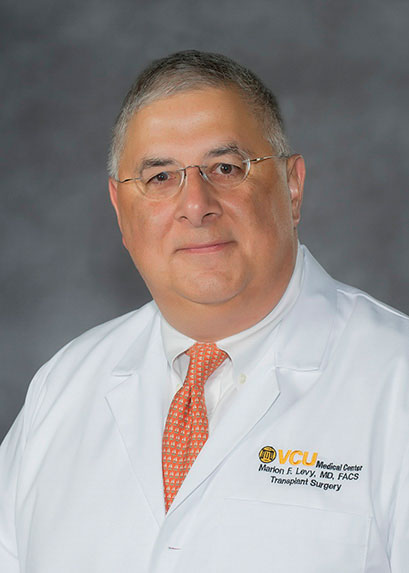
Dr. Marlon Levy, CEO of VCU Health. Photo by Allen Jones.

In an interview, Levy emphasized that access to a transplant center is key, as quality of life improves significantly post-transplant compared to being on dialysis. He explained how a transplant center in Roanoke would help increase organ utilization rates by reducing the distance organs must travel and alleviate strain on existing transplant centers. 

“In 30 plus years of surgery, I’ve learned that it’s all about the patients,” Levy said, stressing the importance of better serving patients across the region. “Kidney transplantation is not just about survival—it’s about quality of life.” 

Carillion’s Plan 

The transplant program in Roanoke is led by Dr. Arnold Salzburg, Carillion transplant and general surgeon. Carilion has performed well in organ procurement, securing more deceased kidney donors over the past three years than any other Virginia health system. However, without a local transplant center, these organs are sent to other hospitals for transplantation. 

“As many as 5,000 people in our region are experiencing advanced stages of kidney disease—more than any other region in Virginia—and around 2,300 people in the state are on the transplant list, often staying on the list for two or more years before they can schedule a transplant,” Salzburg said in an article published by Carilion Clinic. 

For many in Southwest Virginia, access to a kidney transplant program isn’t just about convenience. Patients requiring transplants must undergo frequent medical evaluations before and after the procedure. For those living in Roanoke and surrounding areas, traveling to Charlottesville or Wake Forest adds a layer of difficulty and financial strain. 

“We have the infrastructure, we have the ability, now we just need the approval,” Salzburg said during the hearing. 

The Virginia Department of Health is set to close the public record on Feb. 28. The state health commissioner will review the case before issuing a final decision in the spring of 2025.  

Beyond the immediate decision, debate over Carilion’s proposal has sparked broader discussions about healthcare access in rural regions. Advocates argue that the regulatory process should prioritize patient needs, while opponents warn against creating programs without established records of success. If Carilion’s plan is approved and successful, it has potential to encourage other health systems to pursue transplant programs in areas currently lacking access. 

Dry January makes for a healthy start to the year for college students

Photo courtesy of istockphotos.com, photo credit: Getty Images, copyright: 4kodiak

By Madi Pool , health and wellness reporter

Participating in “Dry January” as seen on social media is on the rise for college students due to many health benefits stemming from the trend. 

Dry January is taking all 31 days of January and choosing to not drink any alcohol. The trend has continued to rise in popularity due to social media and many influencers hopping on the trend. When doing the trend many have seen some significant benefits to their health and have even chosen to continue with sobriety for months after January or even the entire year.

The popularity in dry January brought to social media actually stems more from a fear of alcohol and some of its side effects that have been brought to light and caused concern for people especially those aging from 18 to 29 years old. 

Tiktok and Instagram have been useful tools for both motivating and educating those participating in the trend.
Tiktok accounts like greenjuicedrinker and LJ post on their public account to give followers some help and guidance while doing dry January.

It is no secret that college students like to drink and have fun but they don’t always know what this alcohol can do to their body especially if it is a consistent part of their week. Research shows 80% of college students consume alcohol to some degree and estimated 50% of those students engage in binge drinking. They don’t realize what this may be doing to their body in the moment and down the road for their health in the future.

Taking just 31 days to not drink and show their body what it is capable of feeling has been rejuvenating for some as they have taken on dry January. Reagan Shiley, a student at Radford University is in her junior year and has decided to participate in dry January this year and she says the changes she has seen to her health have changed her mindset on drinking as a whole.

“I am currently on my 27th day of dry January and I have never felt better.” says Shiley. She feels she has been more energized, less bloated, more efficient, and even able to focus better due to cutting out alcohol. “I saw people on social media talking about a few health trends for the new year and I knew I wanted to participate in one to better myself and I felt this was the most obtainable for me.” Other trends like “75 Hard” or just “going to the gym more in the new year” are goals we see for everyone in the new year but dry January is one of the only long lasting trends society is seeing. 

Students are able to learn a lot about themselves when participating in the trend as well as aspects they would not expect if they did not take on the trend. College students don’t realize how much of a social aspect there is to drinking or what some say “peer pressure” there is to drinking. Many students feel the need to drink because their peers are or because if everyone is drunk they can’t be the only sober ones. But by participating in the trend some have been able to see there is a balance and finding a healthy balance between the two is possible.

“A big concern for me going into this challenge was what my friends would think or say to me, and they did make comments or jokes at first but once they realized I still want to hangout with them and can still have fun without drinking they barely even noticed I wasn’t drinking with them.” says Shiley. 

As more and more people participate and are able to see these health benefits more will be inclined to the trend and caring less about what their friends have to say. Dry January has shown that you can experience benefits like weight loss, better sleep, balanced mood, clearer skin, less acid reflux, better liver function and a lower risk for cancer. These are all essential to college students and perfect for the 18 to 29 age range.

Shiley states her favorite part to this whole trend “I think out of all the benefits I have seen from this trend my favorite has to be waking up knowing I don’t feel hungover or sluggish and can be productive with my day or my weekends.”

Shiley will continue participating and believes she will have no trouble making it to day 31 and claims she may even go longer or at least cut back on her alcohol habits once she does start drinking again. That is what the trend hopes people are able to take away from the experience. It is shown that about 75% of people who participate in the trend are able to complete it. But what is next after doing so? According to data, 25% of people who completed dry January reported reduced alcohol consumption even after the month was over. It was particularly noticeable in younger generations like Gen Z and specifically college students where participation in the trend is higher.

Dry January is not only for the young generation though, people of all ages have participated in the trend and are able to learn a lot about themselves from it. Katrina Lamberton, was 42 when she decided to take on the dry January trend in 2024. She said the trend saved her life for the better and she has still not had a drop of alcohol to this day over a year later. “I did dry January for more than just the physical benefits. I felt it was really good for my mental health as well.” says Lamberton. “I felt I had more control over my life when I stopped drinking, I made better decisions, I woke up feeling better about myself, and I got more done so I never felt a reason to go back to alcohol.”

What’s the “Hokie Plague”? It’s a little bit of everything!

As empty classrooms fill up after a lonely summer, there’s a small chorus of keyboard clicking, backpack zipping, and chatter among eager students as a hopeful year begins. But that back-to-school melody is paired with the disgruntled harmony of coughing, sneezing and whatever sound that kid behind you is making who you swear is hacking up a lung.

At Virginia Tech, we call it the Hokie Plague. It’s a sinister sickness that hits almost every student at some point in the first month of the semester and drives a motivation to make it to class every day to a moment of I can’t leave my bed, I feel horrible! But this “Hokie Plague” isn’t new to Blacksburg, and like many seniors, it isn’t hoping to leave campus anytime soon.

“Definitely heard that over many years,” joked Monica Martin, the Health Quality Manager at Schiffert Health Center at Virginia Tech. “It’s sort of a love-hate relationship. Because we get that students are like, ‘Oh, it’s the Hokie Plague,’ but we also want them to understand it’s not just one thing that’s going around getting everybody, it’s a number of viruses.”

So, there you have it – As much as we all would love to see the “Hokie Plague” listed in the Center for Disease Control as one of the deathliest illnesses (Because, at the moment, it really feels deathly,) it isn’t just one thing. It is not just Virginia Tech that battles an illness at the beginning of each year. Talk to anyone on a college campus, and they’ll tell you the witty name they use for the campus-wide sickness – Like James Madison’s “JMFlu,” Penn State’s “PSFlu” and Virginia Military Institute’s “Barracks Plague.”

If you were hoping for a diagnosis, CareSpot Urgent Care identifies the most common college illnesses as the flu, upper respiratory infections (“illnesses that leave you hacking, coughing and just feeling miserable”), mononucleosis (mono), and stomach bugs.

And let’s not forget that pesky pandemic that banned us from the classrooms for nearly a year. Although many people have gotten their vaccines, Coronavirus is still on the loose, hoping to latch onto anyone.

“I know across the country there was some spikes at the end of summer, so I’m sure there is some circulating,” said Martin. She’s not wrong – The Virginia Department of Health reports that 0.56% of all emergency visits resulted in COVID-19 diagnoses in the first week of April this year. Four months later, in the first week of August, that rate was 2.78%. The highest rate in August for diagnoses was in the third week of August, where it was 3.24%… Right around the same time students are coming back to school.

Students gathered outside Lavery Hall during the first week of school.

“You have thousands of individuals coming into a very concentrated area in a short period of time. And so as everybody convenes back on campus, they bring with them any germs, bacteria and viruses that they may be carrying with them, and that are just in our environment in general,” said Martin. “If you think of it as like a pool, it’s an empty pool. And then you throw everybody into this pool, everybody’s going to get exposed at some point. And depending on what bacteria or viruses that [are] in our community, they kind of have different rates of how they spread and how infectious they are.”

The entire campus is that pool, and it makes it extremely difficult to avoid getting sick between dining halls, football games, dorm buildings, and downtown life. Luckily, Martin said that within the first week of school, the health center wasn’t seeing too many people coming in feeling sick.

“I think last week wasn’t terribly bad,” she said. “That’s also just the first-time students getting together. So it will take time for those all to spread and then people to develop symptoms. I think we’re starting to see some of that now after the long weekend, and individuals have been gathering together and those symptoms are now trying to show after two or three days.”

Although the possibility of sicknesses getting worse as the beginning of the semester progresses, Martin said there are steps students can take to prevent catching the “Hokie Plague.”

“The first thing I would make sure students know, and it’s the hardest one I know for folks, is if you’re sick and feeling sick you should try to stay away from others and stay away from crowds,” said Martin. “Because you are going to be the infectious person who’s spreading it around to everyone else, and that’s where it will start.”

Martin recommends that if you’re feeling that tickle in your throat or a bit of a sniffle to always mask up. Schiffert Health Center has masks available to students in the lobby and Martin said staff would be more than happy to give students any available masks if they want to stay safe.

Masks available to students at the entrance of Schiffert Health Center.

“The second one is washing hands,” continued Martin. “Obviously, it’s been drilled into us since COVID. Wash your hands, wash your hands. So that really is important, whether you’re the ill person or if you’re a well person and you are just trying to prevent getting sick.”

Even if you take every precaution possible to avoid catching the Hokie Plague, sometimes it’s inevitable. But Martin wants to assure all students that Schiffert Health Center is right on campus and willing to help if they feel themselves starting to get sick.

“If it’s the middle of the night and you’re starting to feel sick, you can make an appointment in the evening time and then there’s usually appointments the next day,” said Martin. She encourages students to schedule appointments online at the Healthy Hokies Portal. “If students are really feeling awful and ill and they have concerns that’s like ‘This feels more than just a cough or cold,’ they can call us to talk to a triage nurse and try to get in earlier if they feel like it’s urgent,” she added.

So, whatever you do this semester – Don’t be the person hacking up a lung behind someone in class. But resources are available if you find yourself coming down with the Hokie Plague.