
By Evan Hull, environment, climate, and sustainability reporter

For a second time, the U.S. is set to exit the Paris Climate Agreement, but Virginia Tech isn’t backing down from its climate action commitments.
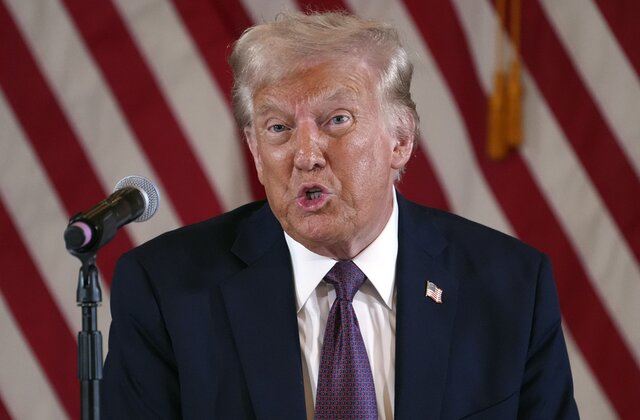
Why it matters: As an internationally recognized institution for environmental engineering and natural resources management, Virginia Tech plays a key role in researching sustainable practices across the globe. With President Donald Trump’s signing of the “Putting America First in International Environmental Agreements” executive order, many environmental initiatives across the country are now in limbo.
The big picture: Virginia Tech will not stray away from its nearly 16-year-old Climate Action Commitment, but there may be some hurdles for researchers.
- “Our impact on the environment matters to us,” said Mark Owczarski, interim vice president of communications and marketing at Virginia Tech. “It’s part of ‘Ut Prosim.’ We’re serving our community. We’re serving our students and faculty. We serve our environment because, without our environment, we can’t function.”
- Carbon neutrality and 100% renewable electricity are among the goals Virginia Tech currently has set for its Blacksburg campus by 2030. It is one of many universities that remains in-tune with international climate initiatives.
- “Right now, there are governors, mayors, and institutions across the U.S. saying ‘we’re still in,’ and ‘we’re going to comply with the Paris Agreement,’” said Carol Franco, senior research associate at Virginia Tech, and climate advisor to the Ministry of the Environment of the Dominican Republic.
- While the university isn’t concerned about continuing their plans for a more sustainable campus, questions have been raised about research funding—particularly from the federal level.
- “As faculty, we apply for funding—even departments apply for funding,” Franco said. “Having that funding will impact our availability and our capacity to do research in certain areas.”
- Still in the early stages of Trump’s second administration, it remains unclear as to what environmental programs and projects will continue to receive federal funding.
Zoom in: While Virginia Tech is unwavering in its commitment to climate action initiatives, officials recognize that times of intense change can always be met with adaptability.
- “The university believes that responsible stewardship of the environment is important, and that may look different from generation to generation,” Owczarski said. “The plan will continue to change, evolve, and grow over time.”
- Virginia Tech’s Climate Action Commitment has been revised twice since initial approval in 2009.

Flashback: Over the last several years under the Biden administration and the Paris Agreement, U.S. sustainability plans closely resembled those of Virginia Tech.
- In April 2021, Biden created a goal of reducing U.S. emissions by 50 to 52% by 2030 according to the Natural Resources Defense Council. By December 2024, the goal was changed to 61 to 66% by 2035.
What we’re watching: While Virginia Tech’s climate initiatives remain safe from federal intervention, experts from countries still in the Paris Agreement are keeping a close eye on the U.S. before they officially exit.
- The U.S. will still be members of the agreement until January 26, 2025 according to Reuters.
- “During the first administration of President Trump, the U.S. basically stayed on the sidelines,” Franco said, noting that United Nations Framework Convention on Climate Change decisions must be made by consensus. “Now, if the idea is to stay on the sidelines, we’re going to be able to move forward. If the idea is to oppose, then we’re going to have issues.”




 > THE NEWS FEED <