Winter weather prompts worries regarding student attendance and well-being in local school districts  

by Kyndall Hanson, education reporter 

January brought freezing temperatures and chilling winds to Southern Virginia, making local school districts weigh the costs of school closures with student well-being. Operational decisions made by administrators prompted backlash from local parents and community members.  

“There are two sides to this,” commented Christina Chrisley on a Montgomery County Public Schools (MCPS) Facebook post notifying of a two-hour delay in the district. “Is attendance important? Yes. Is the student body and their safety during travels and waiting for buses in freezing temperatures, their health and well-being, more important? In this situation, I think so.”  

According to the National Weather Service, areas across Montgomery County received 0.5-3 inches of snowfall from Jan. 6-7. Persisting freezing temperatures and icy road conditions in early January brought community members to express concerns regarding school operations through comments on MCPS Facebook posts.    

An MCPS Facebook post notifying of a two-hour delay receives over a hundred comments, reactions, and shares.  

During January, MCPS schools had two closures and two two-hour delays due to inclement weather. Pulaski County Public Schools (PCPS), a neighboring district, had two closures and four two-hour delays. The two days MCPS was closed, Jan. 6-7, were teacher workdays at PCPS and not considered closures due to weather conditions.  

Robert Graham, superintendent of PCPS, said the district considers the weather forecast, temperatures, windchill, and the possibility for dangerous weather events when determining school closures on the basis of inclement weather.  

According to MCPS policy, “the division superintendent or superintendent’s designee may order the closing, the delay in opening, or the early dismissal of any or all Montgomery County public schools in order to protect the safety and welfare of students, staff, and patrons.” MCPS was unable to provide comment on the explicit considerations taken into account in determining school closures or delays. 

“Dr. Bragen, please think about some of our rural areas that have not been cleared and whose roads are sheets of ice, some teachers are still without power, and the temperature won’t go above freezing,” commented Alana Benavides, addressing Superintendent Bernard Bragen Jr. on an MCPS Facebook post. “It will feel like single digits, even at 9 a.m. when some students are having to wait for their bus at a stop – at those temperatures, frostbite is possible. Some of us have been fortunate enough not to worry about these things, but many other people do.” 

According to Dr. Anne Washofsky, director of the pediatric residency program and interim section chief of pediatric hospitalists at Virginia Tech Carilion, children have a larger body surface area to mass ratio than adults, making them lose body heat more rapidly and be at a greater risk for cold weather-related ailments, such as hypothermia or frostbite.  

“Kids aren’t always able to recognize or get out of environments that expose them to the risk of hypothermia,” said Washofsky. “That’s one of the reasons why it’s so important to make sure that they’re appropriately clothed, in particular, including a hat to help hold heat in their head when they go outside.”   

MCPS transportation bus stop lists detail that students taking the bus are expected to be at their stops “five minutes prior to pickup time.” Stops for elementary school students may require up to 0.3 miles of walking and up to 0.5 miles for middle or high school students, meaning additional time spent in the cold on winter mornings.  

According to Washofsky, brief periods spent waiting outside for buses in freezing temperatures, within a 20-minute window or less, are likely safe for children when they are appropriately dressed for the weather.  

“Wearing hats, gloves, mittens, scarves, long sleeves, multiple layers, and making sure children are wearing stuff that’s water resistant is really important, said Washofsky. “Once you get that cold, that wet or damp, you’ll lose heat more quickly.”  

While getting to school in cold weather may pose safety concerns, staying home for extended periods of time may have adverse health implications as well – especially for those who rely on the National School Lunch Program.  

“It’s not just school lunches, but a lot of kids get their breakfast at school too – it might be two meals of the day,” said Washofsky. “Those might be their two biggest or primary meals based of family’s ability to otherwise provide.” 

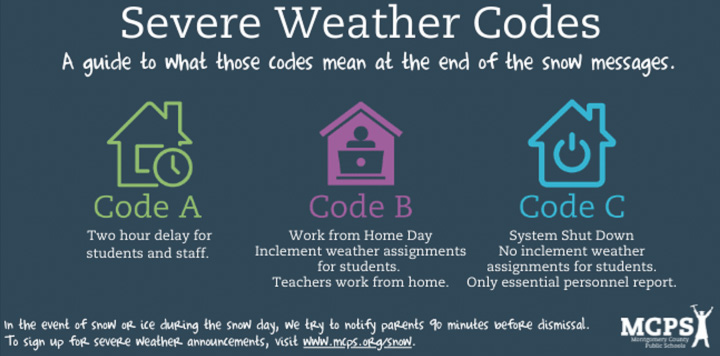
Six of 20 schools in the MCPS system offer free breakfast and lunch to students when school is in session. When schools are closed due to severe weather under severe weather code B and road conditions are deemed safe, meal services are available for pickup at specified locations. The district’s two January closures did not fall under severe weather code B. 

An informational graphic by MCPS depicts the district’s severe weather codes.  

“Maybe it would have been better to simply open the schools for students and families without heat or power and offer meals like other counties are doing – for those who can make it there safely, of course,” said Lauren Black on an MCPS Facebook post. “Prioritize being human and empathetic rather than focusing on attendance and accreditation.”  

According to the Code of Virginia, school closures due to “severe weather conditions or other emergency conditions” result in the addition of make-up days to the school calendar. Schools must be in session for 180 teaching days to avoid reduced funding due to closures. 

“It’s not just that period that they’re outside in the cold, but there are a lot of other things that play into health if school is being canceled because it’s too cold to be able to go in,” said Washofsky.  

Road salt raises larger questions for local waterways

By Evan Hull, environment, climate, and sustainability reporter

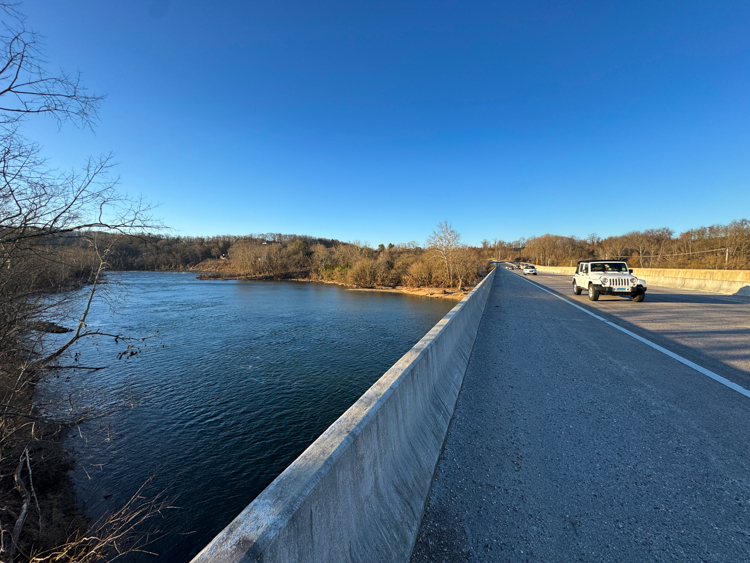
In response to winter weather sweeping across the east coast, the Virginia Department of Transportation deployed its usual slew of road salt. Experts say that while the popular ice and snow combatitant isn’t causing too many headaches in the NRV, it could in the future.

“Everything we do in the terrestrial environment creates ions,” said Joel Snodgrass, head of the Department of Fish and Wildlife Conservation. “When they get in water, they dissociate, they dissolve, and they kind of pass through everything. So, if we put [salt] on the road, it gets washed into the soil, into the groundwater, and ultimately into surface waters like streams, wetlands, and lakes.”

Anywhere from 15 to 32 million metric tons of road salt are dumped on roads every year in the United States according to the Cary Institute of Ecosystem Studies. With the NRV being geographically more susceptible to ions, such as calcium, entering groundwater systems, road salt adds another layer of complexity to the pollution problems we face.

“During the winter, you get these big spikes in salt runoff,” Snodgrass said. 

Researchers worry about winter chloride spikes in local waterways, but they are more concerned about the continual elevation of groundwater contamination, which has become a global problem.

“Road salts are part of this bigger phenomenon that’s going on basically everywhere in the world, in fresh water systems, where the amount of ions in the water is increasing,” Snodgrass said. “In other words, the water is becoming more saline in nature. It has more dissolved solids in it.”

Other runoff pollutants cause issues all year long.

“It’s not just salt that comes off these roads,” Snodgrass said. “Every time someone uses their brakes, particles come off their brake pads and collect on the road—all the belts, engines, and tires.”

When heavy metals are released onto roadways, most commonly cadmium, copper, and zinc, they can interact with road salt in harmful ways. The International Erosion Control Agency says road salt mobilizes heavy metals, permitting these materials to quickly infiltrate groundwater systems and contaminate plants and wildlife.

Additionally, high concentrations of sodium can reduce the permeability of soil, increase surface runoff, and raise erosion rates, directing pollutants straight toward major waterways.

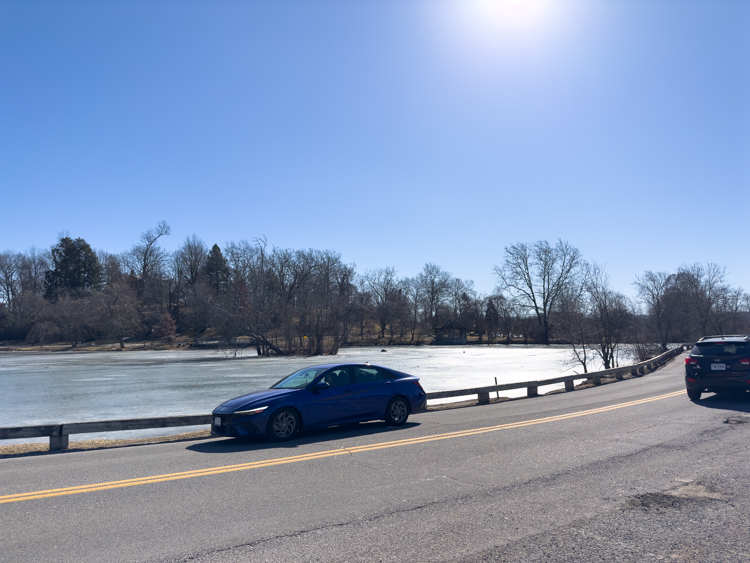
But these aren’t new issues. In fact, stormwater management facilities such as Virginia Tech’s Duck Pond and Stroubles Creek are great examples of how runoff pollution is managed in southwest Virginia.

“Stormwater management facilities in the NRV serve two purposes,” said Kafi Howard, stormwater engineer for the town of Blacksburg. “The first is to mitigate volume increases due to developments like roads and commercial buildings.”

Even in less-urbanized areas, such as the NRV, large developments increase impervious surfaces, meaning that high volumes of road salt and other harmful materials run into waterways very quickly. Stormwater management facilities help hold that water back, and slowly release it in a less harmful manner.

“There’s also quality control,” Howard continued. “A lot of newer stormwater facilities incorporate mechanisms to filter pollutants.”

Howard noted that many older stormwater facilities do not have filtering systems, noting the importance of properly functioning stormwater ponds and wetlands.

“The New River Valley has quite a few streams that are impaired, which means they are not meeting water quality standards,” Howard said. “So it’s super important that those facilities function and help reduce these pollutants.”

In localities as close as northern Virginia, we can see what happens when pollutants are unfiltered by stormwater facilities.

“In Tysons Corner, Virginia, there is enough salt going down that people are losing their wells,” Snodgrass said. “The well becomes so contaminated that all their appliances start to rust.”

The question then turns to the economy. Does keeping roads clear of ice and snow boost the economy enough to justify the cost of maintaining highly contaminated waterways?

“There’s a whole social aspect to this,” Snodgrass commented. “There’s an economic piece to this. If it snows and nobody can get to work for three days, that slows down our economy, right? Now it’s in our mentality.”

Although road salt helps lower the freezing temperature of water, keeping the roads clear and economies moving, it comes with hidden costs, and not just in the environmental price we pay. According to the EPA, NBC, and Vox, the U.S. spends an estimated $2.3 billion to apply road salt, and another $5 billion to repair infrastructure and vehicle damages annually.

With a huge price tag, several alternatives have been considered including acetate deicers and organics, both of which can release equally harmful chemicals into waterways according to the Sustainable Technologies Evaluation Program. Neither option is nearly as cost-effective as road salt.

While waterways in the NRV do not currently have to give a second thought to the application of road salt, they should certainly keep a close eye out as commercial developments continue to pop up regularly, contributing to higher concentrations of pollutants entering local streams.

“I think that the consideration of road salt and stormwater management is certainly something that needs more investigation,” Howard said. “We all want clear streets and easy access in the winter, but we need to recognize that there is a price to pay for our convenience.”

Prioritizing Violence Prevention: Community Builders

by Bianca Campoverde, crime, safety, and justice reporter

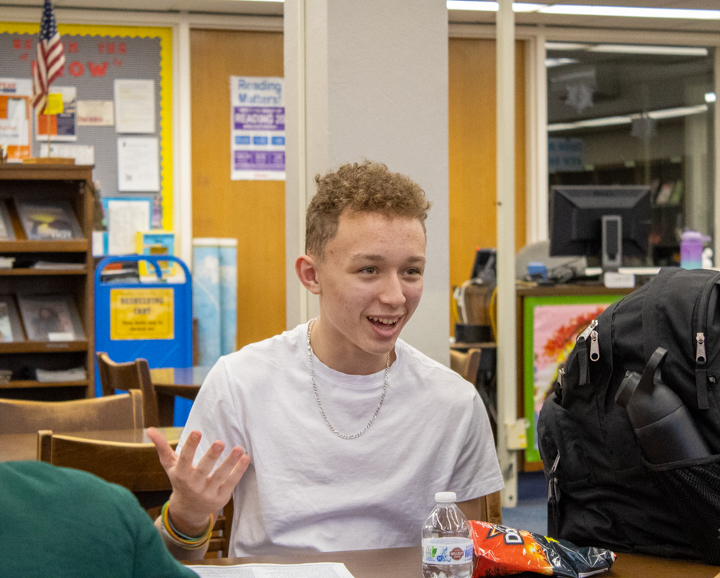
James Madison Middle School’s Community Builders program prioritizes violence prevention by creating comfortable, supportive environments that help students build a foundation for a bright future.

Gun violence is not just an isolated problem but a public health crisis that affects communities nationwide. In the United States, it remains a pressing concern, particularly among young people. The impact of gun violence on communities, schools, and families is devastating. However, efforts are underway to prevent it. One initiative is the James Madison Middle School Community Builders program in Roanoke, Virginia.

The program incorporates strategies to de-escalate conflict without resorting to violence by teaching students to recognize the signs and respond appropriately. This approach creates a generation of young people who are more informed, responsible, and proactive in preventing violence.

Students are also involved in community outreach and awareness campaigns, giving them a sense of responsibility to create safer environments for themselves and others. This engagement has a ripple effect throughout the community, as students who are educated in community safety advocate for change in their families, neighborhoods, and beyond.

Early intervention for middle school students is crucial, as this period serves as a pivotal turning point in their development. During this time, students develop the skills to navigate real-world challenges, avoid harmful behaviors, and build habits that will guide them toward success in high school and beyond. The program aims to curb violence and build a reliable foundation for students through early intervention and comprehensive support systems.

In speaking with various high school students, Joshua Johnson, youth development intervention coordinator for Roanoke City Public Schools, noted, “Many of them felt like they were becoming detached from school and less motivated around middle school. This is why we wanted to target them during this transition period, looking at some positive experiences that combat some of the adverse childhood experiences (ACEs) they’ve had.”

This detachment can be linked to a range of factors, including personal struggles, family challenges, and exposure to ACEs. These factors not only impact academic success but can also increase the likelihood of involvement in violence.

Regarding logistics, the program tracks participating students’ data to identify areas of challenge where resources and support can be provided to alleviate external factors outside of the school environment. The program offers support through conflict resolution, healthy coping strategies, and other resources.  In an effort to reach as many students as possible, those outside of the program who display academic struggles are contacted and directed toward it.

“I affectionately call them our temperature changers. They’re a small group, but depending on where they come in that day-good or bad-they can really change the temperature of a room. Those are the kids we really want to pour a lot of attention into, making sure they don’t slip through the cracks, ensuring they are seen, heard, and feel like they belong,” Johnson said.

In addition to educational resources, the program creates a stable and comfortable environment where students experience inclusivity, strong ties to their school and peers, healthy relationships, and an overall atmosphere that encourages their self-esteem and nurtures their self-worth. These elements are essential for building resilience in the face of external challenges.

Corey Allder, director of Community Engagement for Roanoke City Public Schools, said, “If students are engaged and have a sense of belonging, they are less likely to be a part of a violent group or community violence.”

The goal of the program is to provide students with real-world experiences and career opportunities to combat community and domestic violence, while also raising awareness about gun violence prevention. Allder and Johnson were tasked with developing a program to help students set and work toward personal goals.

From visiting colleges, businesses, and government agencies to organizing events at their school, students in the program learn to cultivate their leadership skills. They demonstrate the program’s effectiveness through their academics and overall attitude toward their community. These opportunities help students understand their potential and the importance of goal setting. The exposure helps broaden their understanding, motivating them to pursue academic excellence and future career aspirations.  

“It could be a good opportunity to find ways to be more adult and find more ways to be better in life,” said Javon Kotz, an eighth grader at James Madison, when asked what about the program interested him.

Kotz hopes to attend Radford University in the future to pursue a degree in real estate.

“I feel like some people don’t want to sell a home; they just care about the money. I want people to know what they’re buying and not get ripped off. I want them to get a good deal, not just a house that’s terrible,” Kotz said.

By emphasizing these emotional and social aspects, the program is working to address the root causes of violence.  

The General Assembly’s decision to provide two years of funding for the pilot of the Community Builders program is an important first step. However, the program remains temporary, and long-term funding and community support are essential for its success to be sustained. The results from this initial phase will help shape future efforts to expand and refine the initiative. Ensuring that more students benefit from its resources and guidance.

Gun violence remains a significant challenge in many communities, but through early intervention and comprehensive support, programs like James Madison Middle School’s Community Builders are taking steps to prevent it before it begins. With continued support, the program will play an important role in shaping a safer, more positive future for students, families, and communities.

Supplying Passion: A Mini Documentary

By Alice Buckley and Lindsey Cook

New River Art & Fiber is a small business in Blacksburg, Virginia, owned and operated by a Virginia Tech alumna. While still relatively new on the downtown scene, the shop has become a staple for locals and a home base for many of Virginia Tech’s architecture and industrial design students. 

Two of these students give us a glimpse into what it takes to be an architecture student, and share why the shop often serves as a lifeline for them.

Many Miles, Many Years, Many Potential Impacts: The Mountain Valley Pipeline

By Emelia Delaporte and Sean Weinstock

After a decade filled with controversy the 303-mile-long Mountain Valley Pipeline became operational on June 13, 2024. Crossing several Appalachian counties, the pipeline has been a flashpoint for environmentalists concerned with the impact of expanding fossil fuel use on global warming, local industry and residents anxious to secure a reliable low cost energy source. This News Feed NRV mini-documentary provides an overview of the pipeline and presents both environmental and natural gas industry perspectives.

A Glimpse into Virginia Department of Education’s 2025 Plan Approaching Governor Youngkin’s Term Conclusion

By Nicole Cummings and Caroline Reed

With the nation desperately awaiting the fate of the department of education, Virginia has been proactive in preparing to improve upon the quality of students’ education as well as preparation for the end of Virginia Governor Youngkin’s term approaching. Virginia’s Secretary of Education, Aimee Rogstad Guidera, discusses Virginia’s “All In” Plan as the guiding principle for other improvement strategies moving forward. 

Waiting by the phone

By: Ainsley Cragin and Kennedy Gooden

Shortly after moving to their new home last year, Dona and Steven Durham discovered structural damage under their house. Extreme rain from Hurricane Helene flooded and deepened the existing cracks, weakening the foundation of their home. Now they’ve turned to FEMA for emergency funds to help repair storm damage that can’t be covered by insurance. Jeff Jones, FEMA Federal Coordinating Officer, sheds light on FEMA’s over-the-phone assistance program.

Radford Local Recently Named a National WomenHeart Champion

Heart disease continues to be the leading cause of death in the United States. But with certain health incidents–such as cardiac arrests–being commonly associated with the male population, a group of female volunteers have stepped up to spread awareness and educate fellow women. Lucinda McDermott Piro, a Radford resident, was recently named a WomenHeart Champion with The National Coalition for Women with Heart Disease.