Attacks on media leaves uncertainty for graduating seniors

By Janae Neely, education reporter

It seems that with each passing day, the media industry takes another hit. Whether it’s the cessation of federal funding or banning select news organizations from the Oval Office, the Trump Administration has initiated an attack on the press and media within its first 100 days in office. 

Journalism has been present in society since the beginning of time, with a knack for being able to shift and adapt its business model to fit the needs of its audience. However, these hits to the press have left an overwhelming cloud of uncertainty over the media space. This uncertainty has especially affected graduating college students who are looking to build careers within these spaces. 

For seniors who are looking for advice on how to enter the media industry, luckily, at Virginia Tech, there are events held in an effort to help these students and educate them with the resources available in order to have a long and successful career. One of these events is Comm Week, a week full of professional and networking events to help students prepare for post-grad careers. This year’s Comm Week was organized by Brandi Quesenberry, Undergraduate Director and Senior Instructor in the School of Communications. 
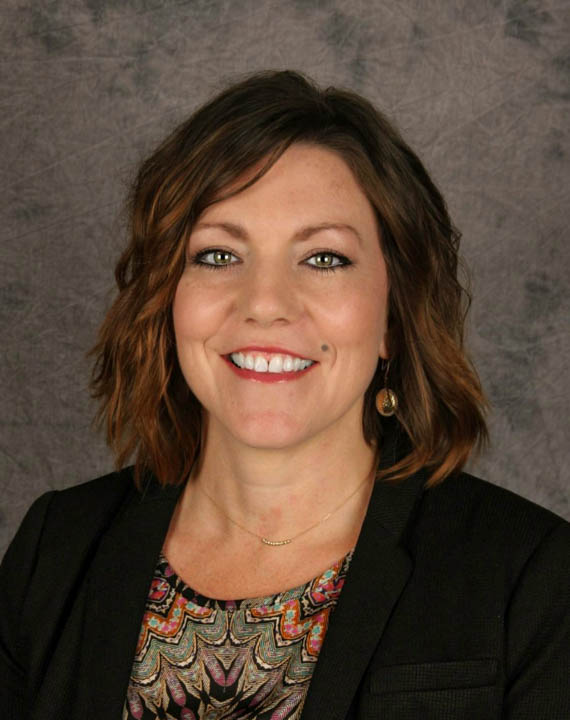
Brandi Quesenberry. Image Credits: Virginia Tech

“Comm Week is something that we started in 2018. We took a hiatus for a couple of years because of COVID, and it really is an opportunity for the School of Communication to offer all of our majors, so journalism, sports media analytics, comm, PR, and advertising, as well as any of our minors, to engage with us as a falculty or as a school, as well as our organizations” said Quesenberry. “What we want to do through an event like Comm Week is highlight our student organizations, provide those organizations opportunities to better promote or have a wider promotion of events and connections that they have, and what their goals and missions are”. 

This year’s event included partnerships with Lambda Pi Eta, the Communications Honor Society on campus, and the Society of Professional Journalists. One of the major events featured guest speaker Ryan Ripken, a former baseball player who now owns his own media company. Navigating the post-graduate world can be tricky and confusing, Quesenberry gives this advice to those enetering the media and press space during this fragile time, “I do think it’s important to develop relationships with your faculty members, who have either worked in the industry or potentially still work in the industry, and who have their finger on the pulse of research and current trends in the industry, even if they are full time faculty members.” Quesenberry also noted that, “You can lean into their networks, and certainly pick their brains and find out more information from them.” 

Lastly, Quesenberry wants students to keep in mind that forging connections and networking is important at these times, “Make sure you stay marketable with your skills. So, the skills that we are teaching in our classes, making sure that you’re taking full advantage, Virginia Tech has tons of resources through LinkedIn Learning. There are just a wide variety of options to help you hone your skills, so regardless of what the landscape is politically or what the economy looks like, you’re gonna be marketable, you’re gonna be employable in a wide variety of industries”. 

The Trump Administration’s continuous attack on the press and media has left a lot of questions surrounding the legality of these executive orders and how this affects the meaning of freedom of speech and freedom of the press. There are also several questions regarding President Trump’s ultimate goal in his slow but steady attempts to censor the press. Understanding what this means is essential to graduating seniors who are building their careers within the media space. 

Dr. Cayce Myers is an author and professor of Communication Law at Virginia Tech. When speaking on these executive orders, Dr. Myers stated, “I don’t know if it has infringement rights on freedom of speech, but it certainly does pivot the business model of those organizations.” he continued stating, “I would expect that in some ways, these platforms will survive through a different model. The public television model and also the public radio model come out of an era that is pre-streaming cable reality. And so, the way they find their marketplace is very different than the world they entered.” 

Dr. Cayce Myers. Image Credits: WDBJ7.

In terms of what these orders mean for the quality of news sharing, Dr. Myers commented, “Now what does this look like in terms of programming quality, what does this mean in terms of some of the things they’ll be able to do? That likely will change.” Myers continued, “But, I think that this overall will be a shift that’ll change the nature of their business. I don’t know that it will eliminate them completely, I think they may be able to function, and their content will get out in other ways, but that remains to be seen.” 

Many have wondered what the end goal is for the Trump Administration, and what it is exactly that they want to come out of this. Dr. Myers has two different reasonings for why President Trump has set his sights on the press, “Well, I think the ultimate goal is reduction of cost of government, and that’s an overarching goal that like I said, this has been a Republican talking point for a long time, cutting the bureaucracy of the government and streamlining it and providing services that are essential, and then cutting extraneous services. I think another part of it is that there is an underlying criticism of television, of public radio, that it has a very left-winged bent to it and it’s not a nonpartisan outlet, it’s a partisan outlet. And so, I think there is this sense of a lack of support for continuing funding for something that is kind of seen as antithetical to many of the Republican talking points.” 

One of the most interesting things about President Trump’s time in office thus far is not only the surplus of executive orders he has signed, but the quickness of these orders.

“The problem with executive orders is that they don’t have the staying power that a law does. The staying power is just not the same. So there’s this immediacy, but there’s not that long-term effect. It gives, I think, in some ways, in that context, you can have a sort of whiplash for people to kind of figure out ‘What is the norm here?’” – Dr. Cayce Myers, Communication Law Professor 

Many view Trump’s orders as a way to control the narrative and only push out the stories that he believes are worthy of being news. For graduating students who are worried about the uncertainty surrounding the press, Myers says keep these things in mind “I think for students entering the media world, what they should be more concerned about is the economics behind the media structure. Because this is a small subset of media when you’re talking about public funded media. When you’re talking about media in general, we’re in a world of convergence, and we’re in a world where the most interesting thing is that you used to have these big corporations like CBS News or ABC. And they’re being competed with and being outdone by individual podcasters and people who have no infrastructure or very little, and it is like they are able to compete with these multi-million dollar industries.” Myers continued, “I think that is the bigger challenge is how do you keep up with this changing economic structure of the media.” 

“In the creative fields, you have to market yourself differently. A lot of other fields don’t require a portfolio, because you want to be able to showcase your work. I think you also have to learn to describe things a little bit differently, because you have to describe your art.” – Leigh Anne Byrd, Assistant Director for Career Development and College Relations 

Byrd advises that flexibility, persistence, and perseverance are the most important qualities to have when attracting employers in the changing media world. “The keyword that we always heard during Covid was pivot, so thinking about different avenues or different places that you didn’t have in mind at first.” Byrd also discussed the increasing importance of networking and prioritizing quality over quantity when it comes to filling out job applications. 

The media world has seen many changes over the past five months, and a lot of these changes don’t have solid outcomes or solutions. But this isn’t anything new. Journalism and the media have consistently revamped themselves and have still survived despite it all. Media will always have a place in society, and no amount of censoring can change that.

The Podcast Giving Rural Stories a Voice

by Alana Powell, environment and climate reporter

Robin Reed, professor of practice in the School of Communication at Virginia Tech, and Tara Williamson, co-owner and operator of Williamson Farms, co-host “The Forgotten Fields Project”, a podcast that explores the stories, struggles and shifting landscapes of local agriculture. This mini-documentary looks at how the podcast began, how its evolving and how it’s helping audiences understand the environmental and human challenges facing farmers today.

Editor’s note: Robin Reed is a Professor of Practice in the Virginia Tech School of Communication. The News Feed NRV is produced by the Virginia Tech School of Communication.

Healthy meals lead to healthy connections and community

By Madi Poole, health & wellness reporter

Outside of Virginia Tech, Blacksburg Virginia and the New River Valley has a lot to offer to the community and surrounding areas. Not only is the New River Valley known for its beautiful landscape and lively locals making for a close knit community, something so important to this area is its agriculture. The farms located here in Blacksburg and many other small towns nearby like Pulaski and Giles bring a new meaning to food for a lot of the local restaurants supplying them with healthy and fresh ingredients. In recent years, the farm-to-table movement has gained significant traction in this area, with local restaurants embracing the practice of sourcing ingredients directly from nearby farms. This approach not only supports the local economy but also promotes environmental sustainability, enhances food quality, and a deep connection between consumers and their food sources. This leads to happier customers and even happier employees.

By sourcing ingredients locally, farm-to-table restaurants in Blacksburg contribute directly to the economic well-being of the community. Purchasing from local farmers and producers ensures that a larger portion of the money spent remains within the area, supporting small-scale agriculture and local businesses. This practice helps to preserve farming traditions and regional food specialties, creating a more resilient and self-sustaining local economy .

Farm-to-table restaurants in Blacksburg, Virginia, are key players in supporting local economies. By building strong relationships with nearby farmers and producers, they create stable markets for local agricultural goods, generate employment opportunities, stimulate the growth of complementary businesses, and enhance the region’s food supply chain. Through these efforts, farm-to-table restaurants not only benefit individual businesses but contribute to a more resilient, sustainable, and equitable economy. By supporting local economies in these ways, these restaurants become vital community assets that ensure economic growth is rooted in the region’s rich agricultural heritage and its future potential.

The environmental benefits of the farm-to-table movement are particularly pertinent in the context of Blacksburg’s rural landscape. Sourcing ingredients from nearby farms reduces the need for long-distance transportation, thereby lowering carbon emissions and the overall environmental footprint. Additionally, local farmers often employ sustainable farming practices, which contribute to the preservation of natural ecosystems and biodiversity .

The environmental sustainability benefits of farm-to-table restaurants in Blacksburg, Virginia, are far-reaching. By sourcing ingredients locally, these restaurants help reduce food miles, lower carbon footprints, and support sustainable farming practices that prioritize soil health, water conservation, and biodiversity preservation. Additionally, farm-to-table restaurants encourage waste reduction, energy efficiency, and a culture of environmental responsibility that resonates throughout the community. In a region where the land and agriculture are central to both culture and economy, the environmental benefits of farm-to-table dining contribute significantly to the long-term health and sustainability of the area. Through their commitment to sustainability, these restaurants not only serve delicious, fresh food but also play an essential role in protecting the environment for future generations.

Research does not show a set number in the area of which restaurants may or may not be using local ingredients but there are trends indicating an increasing preference for locally sourced food. According to the National Restaurant Association one survey showed that 30% of consumers were likely to choose a restaurant offering environmentally friendly food or organic ingredients. Another survey reported that 76% of adults are more inclined to dine at restaurants featuring locally sourced ingredients.

Locally sourced ingredients are typically fresher and more flavorful than those that have undergone long-distance transportation. In Blacksburg, the proximity to farms allows restaurants to receive produce at its peak ripeness, ensuring superior taste and nutritional value. This emphasis on freshness not only elevates the dining experience but also encourages healthier eating habits among consumers .

The benefits of farm-to-table dining in Blacksburg go beyond the mere convenience of sourcing ingredients from nearby farms. By focusing on freshness, seasonal availability, nutrient content, and a reduction in preservatives and chemicals, these restaurants are able to provide meals that are not only of superior quality but also support the health and well-being of their customers. The emphasis on fresh, high-quality ingredients enhances the entire dining experience, contributing to the region’s reputation as a hub for sustainable, flavorful, and innovative food.

According to Statista about 42% of Americans stated that they prefer buying locally grown food products. When asked how often they eat locally grown foods, over a fifth of U.S. consumers stated to eat local food twice a week. Another survey found out that 58 percent of consumers are somewhat satisfied with healthy food options available in their local stores and restaurants. Restaurants incorporating local foods into their menu stand to benefit from this recent trend, and many already have. Local food options such as house-made charcuterie were a recurring theme in restaurants. Patrons of fine dining restaurants are particularly eager to see local food options on the menu. 

Using local ingredients in restaurants offers a wide range of health benefits—from increased nutrient content and reduced exposure to harmful chemicals, to promoting gut health, mindful eating, and safer food practices. Farm-to-table restaurants in Blacksburg, Virginia, are uniquely positioned to serve the community with meals that nourish both body and mind. As health conscious consumers increasingly look for fresh, wholesome, and responsibly sourced food, these restaurants not only satisfy demand but also contribute to a healthier, more informed, and resilient local population. By choosing to eat locally, diners are investing in their own well-being as well as the health of the broader community.

This model of dining helps create a direct connection between the land, the people who grow the food, and the diners who enjoy it, ensuring that everyone involved—whether it’s the local farmers, the restaurant chefs, or the patrons—benefits from a system that prioritizes quality, freshness, and community.

“As both a farmer and a chef being able to provide my restaurant with fresh ingredients I have grown myself gives me a little more confidence in every meal I make for guest”      – Wells Selbe, Head Chef at Mountain Lake Lodge

Farm-to-table restaurants in Blacksburg often feature seasonal menus that reflect the availability of local produce. This approach not only showcases the diversity of regional ingredients but also encourages culinary creativity. Chefs can experiment with a variety of fruits, vegetables, and meats that are in season, offering diners unique and ever-changing dining experiences that highlight the best of what the local area has to offer.

“I believe using local farmers in the area, restaurants like ours are able to not only build connections with the farmers but it enhances the relationship with our customers and community.” – Heidi Stone, CEO of Mountain Lake Lodge

The farm-to-table movement fosters a sense of community by connecting consumers with the farmers who grow their food. In Blacksburg, many restaurants engage in direct relationships with local producers, allowing diners to learn about the origins of their meals and the people behind them. This transparency builds trust and strengthens the bond between restaurants and their patrons, creating a more engaged and informed community.

Outside of restaurants somewhere we can see a lot of this applied is local farmers markets. The farmers market provides an opportunity for locals to come and shop directly from these farms, to buy their own fresh ingredients to then make these same farm to table meals in their own home. As customers are able to buy from the farmers directly they know exactly the freshness going into their food. This also allows for more connections and economic growth for the farmers when they attend these local markets. 

The agricultural community can often go unnoticed when in reality a lot of what they are doing is what is bringing this community of Blacksburg together. If it were not for these farmers growing these delicious and healthy ingredients they would be unable to provide to a lot of these local restaurants that also bring the community together. If there were no farmers putting in the hard work there would be no restaurants and with no restaurants there are no connections and community building here in the Blacksburg community.

Overall farm-to-table restaurants in Blacksburg, Virginia, play a crucial role in supporting local farmers, promoting environmental sustainability, enhancing food quality, and fostering community connections. By embracing this movement, these establishments not only provide exceptional dining experiences but also contribute to the overall well-being and resilience of the local community. As consumers continue to prioritize sustainability and local sourcing, the farm-to-table model offers a promising path forward for both the culinary industry and the communities it serves.

The environmental dilemma of artificial intelligence

By: Evan Hull, Alana Powell, and Gracie Gosierenvironment, climate, and sustainability reporters

As artificial intelligence continues to transform industries and daily life, its environmental impact is becoming a growing concern. While AI technologies can offer us tools for combating climate change, developing these models contributes significantly to increasing CO2 emissions.

Benjamin Jantzen, associate professor of computer science at Virginia Tech, discusses what goes into developing AI models and its impact on climate change.

Federal hiring freezes and funding cuts leave college graduates with uncertainty

By: Kyndall Hanson, Elizabeth Hill, and Janae Neely, education reporters

Throughout 2025, federal hiring freezes and funding cuts implemented by the Trump administration have created uncertainty for graduating college seniors. As students navigate post-graduate plans, they are often left to choose between entering the workforce or pursuing higher education, both of which present challenges. Kate Renz, assistant director of employer relations and career services in the College of Liberal Arts and Human Sciences, discusses the potential impacts on graduating seniors and offers advice on navigating the job market.

Differences in diet around the world

By Elizabeth Ann Miller, Evvy Fite and Madi Poole, health & wellness reporters.

Recently, on The Newsfeed podcast, we discussed the differences in diet within the U.S compared to other countries around the world. From the ingredients used in the food to the outside of food factors that we see worldwide, and the effects this may have on people and their daily lives. The group speaks on personal experience in and out of the country and knowledge learned from a Virginia Tech professor, Sean O’Keefe, from Canada. 

Health Implications Of The Red Dye Ban

By Evvy Fite, Elizabeth Ann Miller and Madi Poole, health & wellness reporters.

Recently in the United States there has been a movement to ban artificial food colorings, in particular Red 40. Following the January 2025 ban on Red Dye No. 3 from food and ingested drugs, people have been speculating on whether more food dye bans are on the horizon. Sean O’Keefe, a Virginia Tech professor in the Food Science & Technology department, shared his thoughts on the bans and the health implications of food coloring.