The Appalachian Trail surrounds the New River Valley and so do many of its risks.
Whether the hike is an extended trip or a day adventure, dangers can be faced by anyone trekking the trails. However, one specific risk stands out amongst the others.
In-state universities are often cheaper and closer to home, but out-of-state institutions have the ability to provide more opportunities.
Out-of-state students choose their university for a variety of reasons, but once they arrive on campus, their experiences and community reassure their decision. This is displayed on both a national level as well as with Virginia Tech students.
The nationwide shortage of the common ADHD medication Adderall is leading patients to test new forms of medication.
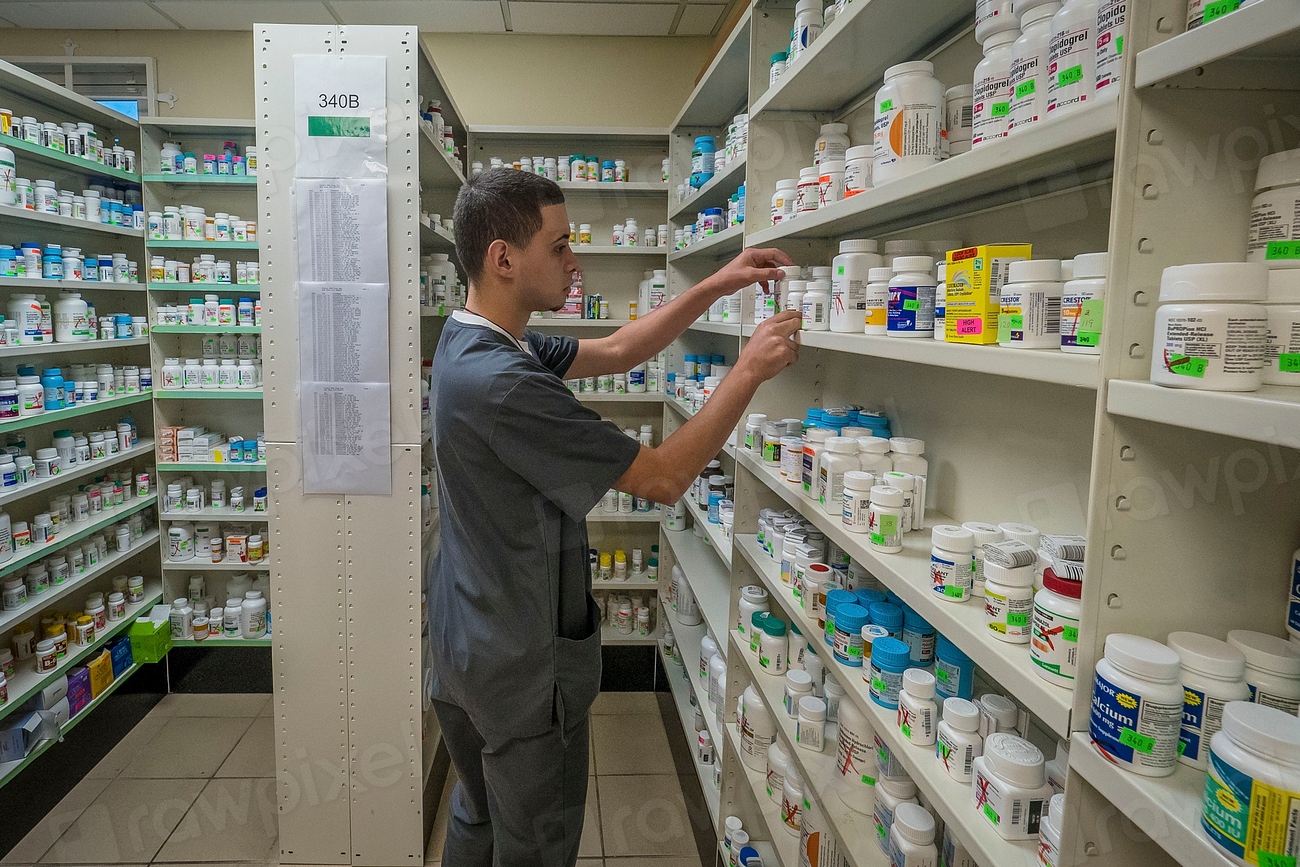
A shortage of the immediate-release formulation of amphetamine mixed salts, commonly referred to by the brand name Adderall, has been ongoing since October 12, 2022. A direct stimulant on the central nervous system, Adderall is a medication prescribed to people diagnosed with attention-deficit/hyperactivity disorder (ADHD).
According to the FDA, one of the manufacturers of amphetamine mixed salts, Teva, is experiencing ongoing intermittent manufacturing delays. While there are other manufacturers producing amphetamine, there is not enough supply to continue meeting U.S. market demand through those producers.
A rise in demand for Adderall is a large contributor to the shortage, with an increase of almost 20% in 2021 over 2020. Chad Alvarez, System Pharmacy Director of Carilion Clinic Roanoke, said he noticed an increase in demand from patients in the past few years.
“During the pandemic, people were working at home or helping their children with their schoolwork and many began noticing symptoms of ADHD,” Alvarez said. “With the increased use of telemedicine during the pandemic, we saw an increase in demand for those types of prescriptions.”
Many patients are currently prohibited from calling ahead to pharmacies asking about Adderall, since the treatment is a labeled controlled substance by the DEA, according to HCPLive. A legally controlled substance cannot be transferred from one pharmacy to another, leading many patients to look for temporary alternatives to Adderall.
The shortage has forced many pharmacies in the U.S. to turn away customers in need of Adderall since late last year.
Alternatives work differently for patients depending on their particular case, Alvarez said. Whether it is an adult who used Adderall for years or a child who was prescribed last month, the benefits of each alternative provide varying results.
“I always encourage patients to have a conversation with their provider on alternatives,” Alvarez said. “Other ADHD medications like Focalin, Vyvanse, Concerta and Ritalin are currently available in higher quantities and can treat attention deficit issues. It is definitely worth the conversation with your provider to figure out what will work best for you.”
An alternative for patients who currently have Adderall pills is to begin dose-skipping. Patients can skip a dose on days when attentiveness is not critical to accumulate a reserve that will last them longer through the shortage, if advised by a doctor.
If patients do not want to try alternatives, they can choose to stay off medication until the shortage ends, but Dr. Jeremy Courts, owner of Main Street Pharmacy in Blacksburg, warns patients to be prepared for shifts in behavioral changes.
“You probably won’t have intense withdrawal symptoms but you’re going to be irritable and have trouble focusing,” Courts said. “When you don’t have Adderall but need Adderall, your quality of life goes down.”
As of now, the shortage is expected to continue through April 2023.
Feb. 17, 2023 — Blacksburg, Va. — An bottle of hydrocodone that was prescribed by a Montgomery County hospital sits empty in a trashcan. The overprescription of opioids has been connected to the birth of the opioid epidemic.
The National Center for Health Statistics released 2022 data that shows a spike in fatal opioid overdoses in the US over the months of February and March.
“It’s devastating,” said Glenn Matthews, director of substance abuse and diversion services for New River Valley Community Services (NRVCS). “It’s just awful. It’s devastating economically, and it’s devastating to families. Fentanyl is at the center of a lot of those overdoses.”
The most recent drug overdose data from 2021 shows that Pulaski County — one of the five counties NRVCS serves — had the highest death rate in the NRV with 50.1 per 100,000 residents. Synthetic opioids, under which fentanyl is classified, were the cause of a majority of those deaths.
To combat these rising overdose rates, NRVCS offers a full continuum of care. According to Matthews, their services have a systemic and personalized nature that larger providers cannot accommodate for, ranging from an hourlong weekly therapy session to residential 24/7 care.
While this is extremely beneficial to the community, he explained that they cannot provide enough services for the demand necessary to treat the large number of individuals who need it.
Feb. 17, 2023 — Radford, Va. — The sign for Radford’s New River Valley Community Services center stands as the only thing to distinguish a nondescript brick building in a strip mall.
“It’s a drop in the bucket,” Matthews said. “The large majority of individuals need to repeat that treatment six or seven times or more. It’s a long, long process.”
In addition to the intervention services — support groups, therapy and rehabilitation — NRVCS provides, preventative education and emergency training are also critical to ending the opioid epidemic, according to Ashley LeDuc, associate director of substance misuse prevention and intervention with Hokie Wellness.
One of the most prevalent emergency training programs is REVIVE! Opioid Overdose and Naloxone Education. The program teaches community members how to recognize and respond to a potentially fatal overdose.
“It’s the easiest way to save someone’s life,” LeDuc said. “To use Naloxone it really is just using nasal spray. Even if you aren’t trained, you can still use it — it’s one of the legal protections out there.”
Online REVIVE! training is available through NRVCS, and Hokie Wellness offers multiple in-person sessions as well. Hokie Wellness training sessions provide historical context about the opioid epidemic, as well as a sample of Naloxone, the overdose reversal drug, for trainees to take with them, according to LeDuc.
“It really is anybody that could experience an overdose,” LeDuc said. “You learn a lot about where opioid use disorder starts, which is with prescriptions that are given from doctors, and it works to destigmatize it.”
In addition to addiction itself, NRVCS hopes to use its services to address stigma in the community surrounding addiction.
“Addiction is not a choice,” Matthews said. “The only choice that’s involved in addiction is the first time someone picks up the substance. Once the brain gets addicted, choice is out the window. It is a serious illness.”
Having her rent increased by almost $70 was a bit of a shock to Renata Farrell, a single resident living in the New River Valley. Farrell lives on the border between Blacksburg and Christiansburg at The Highlands at Huckleberry Ridge apartments. Her monthly rent is currently $1,275.
“It’s definitely expensive. On top of that, I have a cat, so that’s an extra $40,” Ferrell said. “I also have to pay for electricity, water, and my internet. My electric bill has slightly gone up, and my internet bill will be increasing soon as well.”
The Highlands Apartments lights come on as night approaches on Friday, Feb. 7, 2023. (Photo: Emaryi Williams)
According to HomeSnacks, an online platform that delivers “bite-sized” pieces of information about where people live, the city of Blacksburg is the number one most expensive place to live in Virginia, as of 2023. According to their statistics, the average rent in the city is about $1,141, and the average home costs about $309,800.
“A lot of my graduate student cohorts and colleagues live in Christiansburg or Radford because it’s more affordable,” said Cara Patrick, a graduate student who signed a lease for a single apartment at The Loft at 316 in Blacksburg.
Patrick says that not only is housing expensive, but it’s also competitive, meaning that many people default to settling for really expensive one-room apartments or settling for roommates.
“A lot of the one-bedroom or studio apartments are in the luxury developments, costing around $1,400 to $1,500. So, everyone has to scrap for the cheaper ones that are not in the Hub or the Union, and that’s a big challenge,” Patrick said.
The Lofts CMG Leasing Downtown Office in Blacksburg during the busy traffic hours on Friday, Feb. 17, 2023. (Photo: Emaryi Williams)
To save on costs, both Patrick and Farrell say they look outward, toward Christiansburg for financial relief in other areas.
“I had to find more cost-effective ways to live,” Patrick said. “Like I go to ALDI in Christiansburg now because what would cost me like $50 at Kroger, costs me like $30 or less there.”
“When considering costs, my friends and I will go to Christiansburg to go out and eat. ” Renata explained. “Restaurants there a slightly less expensive.”
According to BestPlaces’s 2023 Cost of Living Calculator, food and groceries, housing, average home costs, utilities, and overall living costs are more expensive in Blacksburg than they are in Christiansburg. Transportation is the only specific thing that was listed as more expensive in Christiansburg, while health costs were listed as equal in both cities.
If you plan on living in the Christiansburg-Blacksburg area, both Patrick and Farrell have the same advice – look now and save early.
“Luckily, because I worked all throughout high school, I have money saved because I strongly believe I would not be able to live on my own had I not saved,” Patrick said.
“Look really early. Talk to the apartment places. Try to talk to leasing offices, and talk to people that live there to find out exactly how much things actually cost, so you’re not surprised by how much things are,” Farrell advised.
Blacksburg, Va., Feb. 16–A knitted sweater featuring worsted wool yarns on display in local art and fiber supply store, New River Art and Fiber.Photo: Nicole Tutino
To limit the fashion industry’s accumulated waste throughout apparel production processes and growing environmental concerns, solutions, such as a circular economy, change local businesses’ frameworks to offer more sustainable options to consumers.
A circular economy model increases the use and recyclability of any type of product through efficient design processes while limiting environmental impacts, according to the United States Environmental Protection Agency (EPA).
“With fashion in particular, some of the biggest ideas are this idea of using materials that are recovered from the economy — the existing things that we already have — instead of having to manufacture new ones from either natural resources or petrochemically-derived materials,” said Jennifer Russell, Virginia Tech assistant professor in the Department of Sustainable Biomaterials.
In her work with apparel company H&M, Russell observed the companies’ difficulties in implementing a circular economy framework across the brand’s divisions.
“The advantage of small businesses is that they tend to be less stuck with the infrastructure, supply chains [and] relationships that they have,” Russell said. “They can be a little bit more agile, and so if demand or if interest changes in their community, they can respond quickly.”
Business models associated with a circular economy include resale, repair, and rental services. Russell notes clothing rental options allow companies to increase the circularity of the items within the economy and remove consumers’ responsibility for caring for the garment. While continuing the usage of the products, the business models face increased transportation expenses for larger business initiatives.
Russell explains local businesses can engage consumers with circular economy methods efficiently due to close proximity.
Blacksburg, Va., Feb. 16 – Berroco’s 100% Pima Cotton yarns are offered for sale at $16 at New River Art and Fiber.Photo: Nicole Tutino
Renewable inputs, like cotton and wool, offer environmental benefits, but Russell warns that consumers need to be aware of how natural fibers are sourced. The circular economy framework ensures renewable resources, like natural fibers, are not consumed more than they can be replaced, according to the Ellen MacArthur Foundation.
A Blacksburg art supply business, New River Art and Fiber, sells yarns composed mainly of natural or renewable fibers. Synthetic materials, such as polyester, can feature plastic particles, called microfibers.
“We buy synthetic yarn, wear that fabric, wash that fabric and then shed it into the oceans to the point where we are eating that fabric,” said Jessica Jones, owner of New River Art and Fiber.
Jones said the business’s focus on selling more natural fibers in yarns began as a personal choice, and her understanding of the environmental benefits developed over time.
“I like to think that by not putting it [synthetic fibers] out into the world I’m having a generally positive impact on our local environment,” Jones said.
New River Art and Fibers’ loops groups allow community members to knit or crochet together. Repair techniques can emerge from these collaborative sessions which help extend the use of garments.
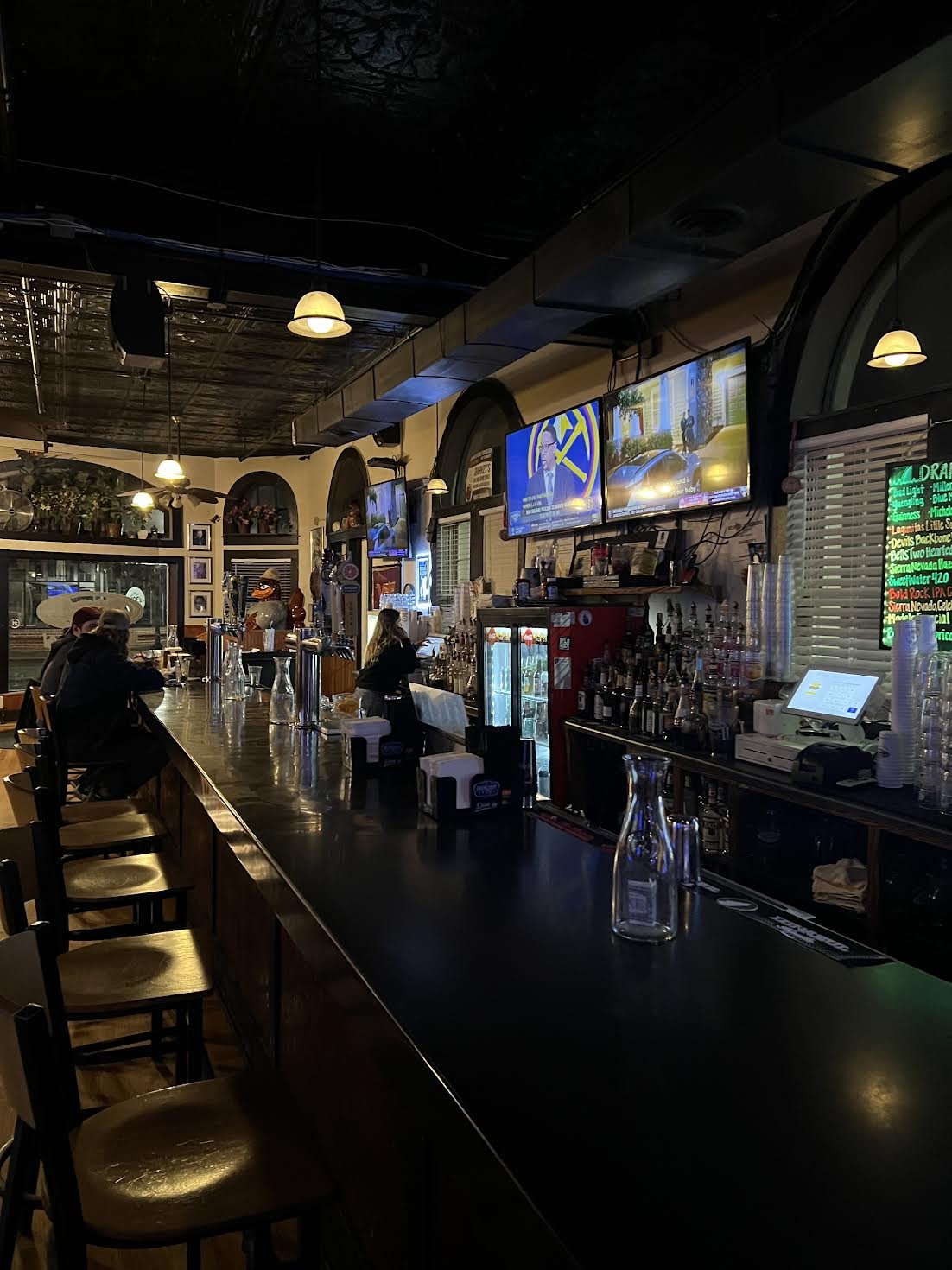
Photo by Kayla Frank Jan. 24, 2023, Top of the Stairs bartenders awaiting customers.
(BLACKSBURG, V.a)- The rise of alcohol-free bars can be attributed to the increasing mindfulness of drinking habits, with Gen Zers leading this new transformation of a fun night out.
Third Place Bar offers bar pop-ups, without the booze. Located in Brooklyn, New York, the zero-proof bar caters to a new culture of sober-curious lifestyles. But what would offering only mocktails and non-alcoholic beer look like in a college town?
While sober curious lifestyles and mindful drinking is a trend among Generation Z, those attending university are more likely to experiment with alcohol along with their newfound independence and availability of social events.
Through research from the Alcohol Rehab Guide, it was estimated that 80% of college students- four out of every five- consume alcohol to some degree, and roughly 50% of those students engage in binge drinking, or consume too much alcohol in too little time.
Although the pandemic may have stalled downtown activity, Blacksburg is buzzing again with bars and billiards for college students attending Virginia Tech.
Blacksburg bouncer and barback at Top of the Stairs, Jake Hart, noted that if anything, more students have been coming to the bars since the decline of COVID-19.
“When the football team played Miami University in the fall, we were so packed that we literally ran out of vodka and Bud Lite,” said Hart, “We broke nearly every record we could.”
Gen Z’s refined awareness of the consequences of alcohol consumption is shown in sales research from Drizly. The largest online marketplace for alcohol in North America issued a 2022 consumer report that conveyed that 38% of Gen Z respondents are drinking more non-alcoholic beverages than in the previous year. A high percentage when compared to that of Millennials (25%), Gen X (15%) and Boomers (8%).
A bartender at Sharkey’s in Blacksburg, Bobby Johnson, get’s the occasional order for a mocktail and has a couple of regulars who just ask for Diet Coke.
“I don’t think I’ve seen a trend of drinking less, but I do see people being more mindful of what they consume with their alcohol,” said Johnson, “For example, more people have mixed hard liquor with water than I’ve seen in previous years, and the shift to spiked seltzer from beer has also been tremendous.”
Photo by Kayla Frank Jan. 20, 2023, Sharkey’s Bar front in Blacksburg, Virginia.
One factor promoting mindfulness is the availability of information at Gen Z’s fingertips. Hashtags like #Sobertok have gone viral on social media platforms such as Tik Tok.
Striving for unique experiences, Gen Z has forced bars to be creative and provide special events such as trivia, bingo, axe throwing, and even paint and sip nights.
“I think a non-alcoholic bar could make it in Blacksburg, only if it offered some sort of gimmick to draw people in,” said Johnson, “On bingo and trivia night, people come in just to play and eat, so it could definitely work.”
Restaurants are still open for business on Main Street in Blacksburg, even as inflation rises on Jan. 30, 2023. (Photo: Emaryi Williams)
BLACKSBURG — The prices for food increased last year by 10.4%, the largest yearly increase since 1981, according to the U.S. Bureau of Labor and Statistics’s Economics Daily.
The Consumer Price Index refers to the measure of economy-wide inflation, which has impacted many consumer goods and services, including food prices.
“This is important because it gave us important information about cost of living,” said Virginia Tech economic professor Shaowen Luo about the relevance of the consumer price index.
Luo explains that it is not the absolute price changes that are affecting the everyday American, but the relative price change.
“If everything in the U.S. market increased by 10.4%, including your wage, then your life is not affected,” she explained. For those who did not see a 10.4% income increase, Lou says the rise in food prices may impact their lives.
According to Blacksburg officials, the city is currently seeking ways to combat food insecurity in the area.
“We got some ARPA funds from the federal government,” said Blacksburg Town Manager, Marc Verniel. “One of the projects we’re looking at is to fund local nonprofits that are already helping people get good healthy food.”
Virginia Tech Professor of Finance Derek Klock list many factors to consider that have affected inflation, including the coronavirus, the war in Ukraine and increased demand.
“Whenever you have a supply chain disruption to the extent we’ve had over the past three years globally, all prices are going to rise,” he said.
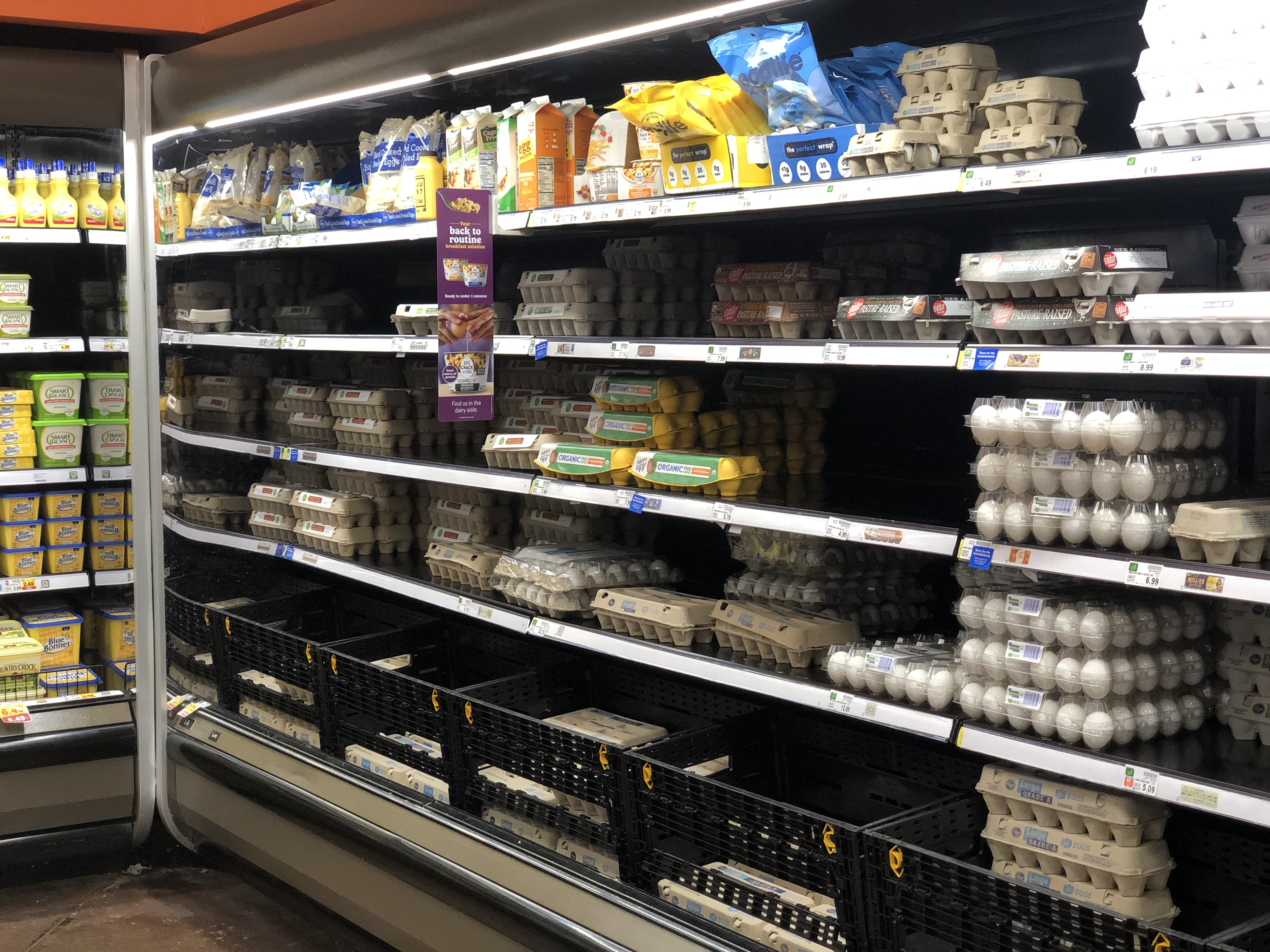
The cost of a dozen large eggs at a grocery store chain in Blacksburg has risen to more than seven dollars due to inflation on Jan. 30, 2023. (Photo: Emaryi Williams)
While both stores and restaurants have seen spikes in food prices, according to a 2023 Food Price Outlook created by the U.S. Department of Agriculture’s Economic Research Service, between September 2021 and September 2022, the prices of food in restaurants increased up to 8.5%, while the prices of food at stores increased 13%.
“I feel like going out and eating in ends up costing the same in the end because groceries are pretty expensive,” said Emma Larkin, a Virginia Tech off-campus student who frequents Kroger.
Despite price differences, Professor Klock warns the public about assuming that prices at restaurants will always compare better than those at the grocery store.
“Grocery store prices have gone up a lot, and restaurants will have to follow suit. Eventually, restaurants are going to have to pass on those increased prices to consumers,” he predicts.
Klock explains that since the pandemic, restaurants have held back passing raised prices to customers because people have just started eating out again. He says, for restaurants to stay in business, they are going to have to raise their prices soon.
Jan. 30, 2023 – Despite prices in Blacksburg, drivers and customers can be seen flocking to restaurants and bars on Main Street. (Photo: Emaryi Williams)
Professor Luo says, there are many aspects to consider when determining whether eating in or eating out is more costly.
Diet is one that she specified as a critical factor. A vegan and vegetarian diet could cut a person’s food costs by up to one-third, according to a study done by the Lancet Planetary Health.
“Some people may value having food outside much higher than cooking at home,” Luo said. “It also depends on your budget constraint – whether you are high-income people or low-income people. So, it’s complicated.”
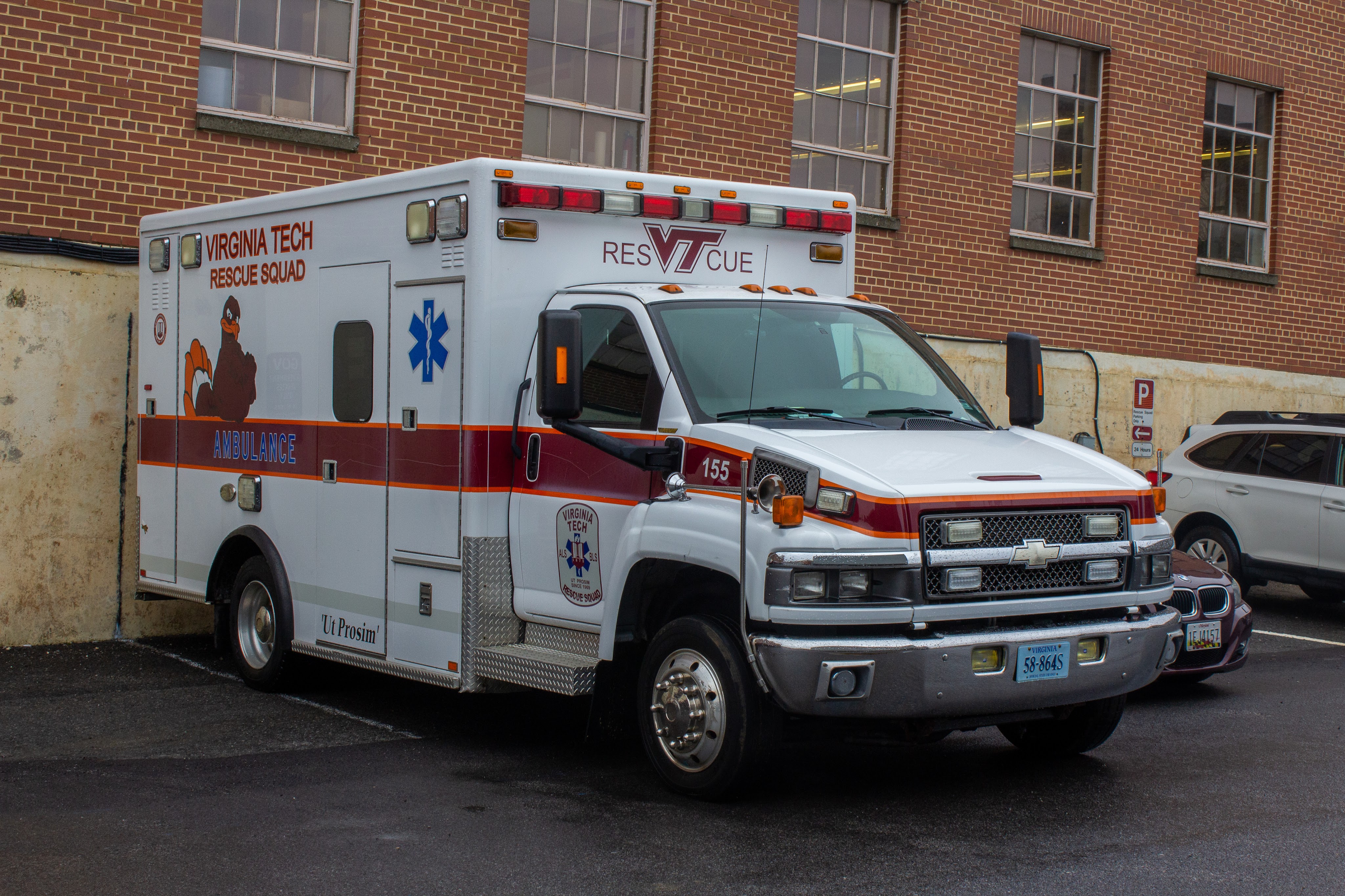
A Virginia Tech Rescue Squad ambulance is parked outside the station in preparation for a call in Blacksburg, Va., Wednesday, Jan. 25, 2023. (Photo: Anthony Cusat)
In the event of some of the scariest medical emergencies, first responders can be seen as pillars of hope and strength. However, it is impossible to assume there is not a mental toll that comes at the price of helping others.
Riley*, an emergency medical technician located in the Harrisonburg area, is one of many emergency medical service (EMS) providers who has seen the intersection between mental health and the job firsthand. When discussing the effect of traumatic calls, Riley said that it is not necessarily the anxiety of performing duties in the moment but the aftermath that leaves a lasting impression.
“When you see family members and friends grieving over the loss of someone, especially in such a traumatic way, it really really takes a toll on you,” said Riley, after detailing a gruesome on-call death. Even years later, Riley still experiences reminders of the incident when passing the spot where it took place.
Unfortunately, Riley’s experience is not unique to first responders. According to the Substance Abuse and Mental Health Services Administration, 30 percent of first responders develop mental health conditions like depression and posttraumatic stress disorder which is 10 percent higher than the general population.
In one study, it was concluded that first responders are at an increased risk of alcohol consumption after incidents that involve the death of citizens or coworkers. Use rose incrementally for eight days and returned to normal after eight months. Riley said, “Something that I feel like has been normalized is coping unhealthily with that stress… It [drinking alcohol] kind of has turned into, for some people, a legitimate problem.”
With these numbers, there is an increased importance for first responders to have access to adequate mental health resources.
Administrative captain of Virginia Tech Rescue, Isabella Filippone, said, “It’s not about experiencing a traumatic event and then taking care of yourself, it’s about taking care of yourself so that you’re prepared to see those types of things.” While the vast majority of calls tend to be minor incidents, Filippone said finding ways to healthily cope with the stress of major emergencies makes a difference on well-being.
Isabella Filippone standing outside a Virginia Tech Rescue Vehicle in Blacksburg, Va., Wednesday, Jan. 25, 2023. (Photo: Anthony Cusat)
Among first responders, consistent themes for positive coping included having outlets to talk to and fostering a culture of openness. Riley, for example, is able to see a therapist that specializes in EMS-related trauma which they said helped them recognize lingering mental wounds.
Additionally, squad members rely on one another for needed support. Cameron Buck, assistant deputy chief of field operations at Blacksburg Volunteer Rescue Squad said, “I would feel comfortable myself going to any of our officers and talking about a tough call, but I would also feel completely comfortable sending someone else to any of our officers.”
When referring to first responders, Buck said, “It’s a group of people who collectively want to serve something bigger than themselves.” Despite the potential tribulations, those who serve as EMS professionals still have unbounded love for what they do.
*For confidentiality purposes, the name Riley is an alias.
Man getting tested for Covid-19 by a healthcare professional. Photo credit: Kampus Production
New River Valley residents will face increased costs for treatment and tests after federal emergency declarations for COVID-19 end in May of this year.
At-home tests for COVID-19 will no longer be covered by most insurance policies according to an NBC report. This will force NRV residents to pay out of pocket for any future at-home tests. Without emergency declarations, the federal supply of free at-home COVID-19 tests will soon dwindle as well.
Insurance companies had been previously covering up to eight at-home COVID-19 tests per month since it became required by the Biden administration in January 2022. At-home tests helped reduce strain on testing clinics but have been known to sometimes produce false negatives.
These changes to federal COVID-19 policies come while the country still has about 450 COVID-19 deaths and 40,000 cases per day, according to the New York Times live map. The live map indicates that Montgomery County has about 26 COVID-19 cases per day. The city of Radford has about six cases per day and Pulaski county has about nine cases per day.
According to reports from the Kaiser Family Foundation (KFF), PCR tests will continue to be covered by most insurance policies. However, individuals without insurance will have to pay for PCR tests. The KFF report indicates that most insurance policies will continue to cover COVID-19 vaccinations, as well.
Male patient being prepared for a vaccination by a trained healthcare professional. Photo credit: Nataliya Vaitkevich
Residents of the NRV may not only have to pay to get tested for COVID-19 but could have to start paying for their treatment as well.
Oral antivirals used to treat COVID-19 will continue to be free of cost as long as the national supply lasts. However, NRV residents should expect to start being charged for these treatments once the national supply runs out. According to the previously mentioned KFF reports, most insurance providers will not cover these treatments.
The effects of increased costs for testing and treatment will be felt even worse amongst NRV residents. According to the census reporter, about 21 percent of NRV residents live below the poverty line, which is about double the Virginia average and one and a half times the U.S. average. The end of emergency declarations in May will leave NRV residents vulnerable to a lack of affordable COVID-19 care.









 > THE NEWS FEED <