
By John Tuason, Politics and Government
From delayed services to employee furloughs, we take a closer look at the real-life impact of the Government shutdown on people, businesses, and upcoming elections.
By John Tuason, Politics and Government
From delayed services to employee furloughs, we take a closer look at the real-life impact of the Government shutdown on people, businesses, and upcoming elections.
By John Tuason, Politics and Government
A small group of protesters gathered on the Drillfield during the Turning Point USA event at Virginia Tech, chanting slogans such as “Hey hey, ho ho, trans hate has got to go” and “No Trump, no KKK, no Fascist USA.” They stood opposite the event line but maintained a peaceful posture, often observed by attendees who held phones and filmed rather than engaging.
John Tuason, Politics and Government reporter

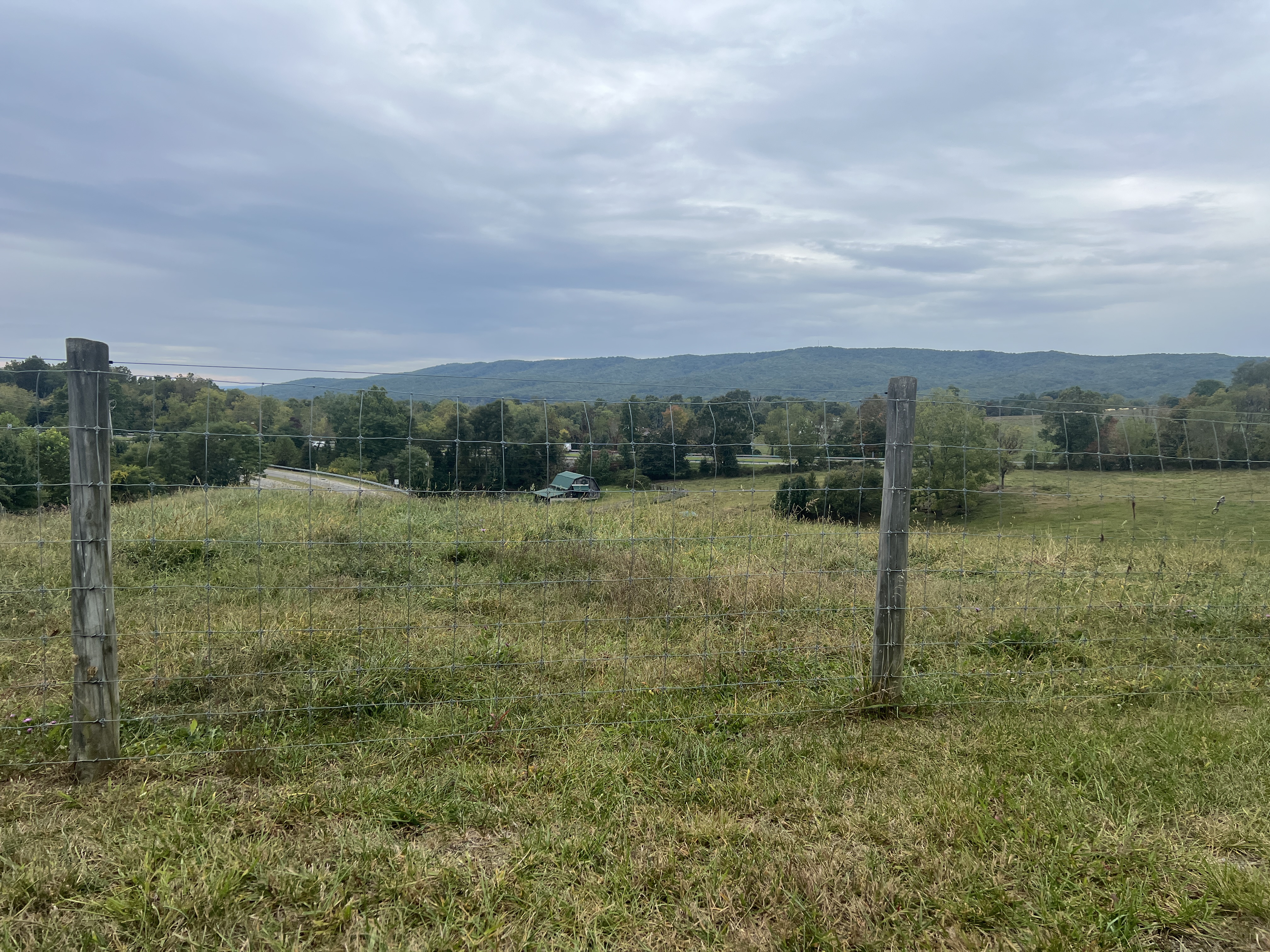
At sunrise in the New River Valley, tractors still roll across fields of soybeans and corn, but the math isn’t adding up. Farmers say they’re paying more than ever to grow crops that sell for less than ever, thanks to the ripple effects of tariffs.
Tariffs have negatively affected many industries in Virginia, but in the New River Valley, it is farming and manufacturing that have been hit the hardest.
Dramatic increases in prices of fertilizer, seed, and diesel fuel plus the retaliatory tariffs by other countries are causing drastic income cuts to farmers across Virginia. Increased prices of raw materials, electronics, and decreased export ability have caused Virginia manufacturers to get hit hard as well. Donald Trump’s tariffs are no longer an abstract concept; they are beginning to shape the landscape of agriculture and commerce in the New River Valley.
Uncertainty is what is highlighting the US global trade policy right now and tariffs are what are causing the most rippling effects among smaller, rural communities.
On August 7th, 2025, Donald Trump’s invocation of the International Emergency Economic Powers Act (IEEPA) was put in full swing. The trade disputes caused by these tariffs are beginning to show the ripple effects on rural Virginia businesses. There are both winners and losers in this international game of chicken, with agribusiness bearing the brunt.
“These tariffs implemented by Donald Trump are gambling with farmers’ lives” said John Boyd, the founder of the National Black Farmers Association. “All of my costs have just about tripled and I’m selling my product for a fraction of what I was just a year ago.” Boyd is a farmer in Baskerville, Virginia and he grows soybeans, corn, and wheat. “This is a bad time to be a farmer.”
Xi He is an agricultural trade policy analyst at Virginia Tech. She explained the reasons behind the price increases and the decrease in sellable crops hitting the Shenandoah Valley right now. “Potash is a vital fertilizer that comes from Canada and supplies nearly 90% of the US’ agricultural needs. The production costs of tobacco, corn, soybeans, and wheat have been hit the hardest because of this. This, in combination with the retaliatory tariffs from other countries that are causing reduced demand for US products are hitting Virginia soybeans particularly hard right now.” Said He. These uncertainties have caused many Virginia Farmers to have to gamble their livelihoods.
According to the Observatory of Economic Complexity (OEC), Virginia exports have decreased by almost 6%. This is due in part to China’s boycott of Virginia’s agricultural products like soybeans. “The only thing we do better than anybody is corn, wheat, and soybeans. It’s all ready to be shipped, but these tariffs are squeezing farmers for more than they can take. Farm bankruptcies are up and so are suicides.” Said Boyd.
“Before the tariffs, Virginia’s agriculture contributed about $3 billion in 2024 and is heavily dependent on agricultural exports. The higher expenses are a huge strain on the broader supply chain, and this causes ripple effects on rural economies.”
Small farms are especially vulnerable to the effects of these tariffs because they lack the financial safety net that bigger farms have. This means less competition for these bigger farm operations. The same market shocks that are rattling farmers are also disrupting Virginia’s other economic foundation: manufacturing.
Manufacturing contributes over $52.3 billion to Virginia’s economy. According to Bill Donahue, the CEO of Genedge, a company that specializes in enhancing the performance of manufacturing businesses in Virginia, “There are really 4 main challenges that we’re seeing because of the tariffs: [1] increased costs for raw materials like steel and aluminum are hitting automotive and construction industries the hardest right now. [2] The supply chain disruptions are interrupting global trade flows coming through the Port of Virginia. [3] Job cuts are hitting everyone right now, but it’s the mid-sized businesses we work with that are getting hit the hardest. [4] The general uncertainty of the economic landscape is disrupting the futureproofing and planning that we develop with these manufacturers.”
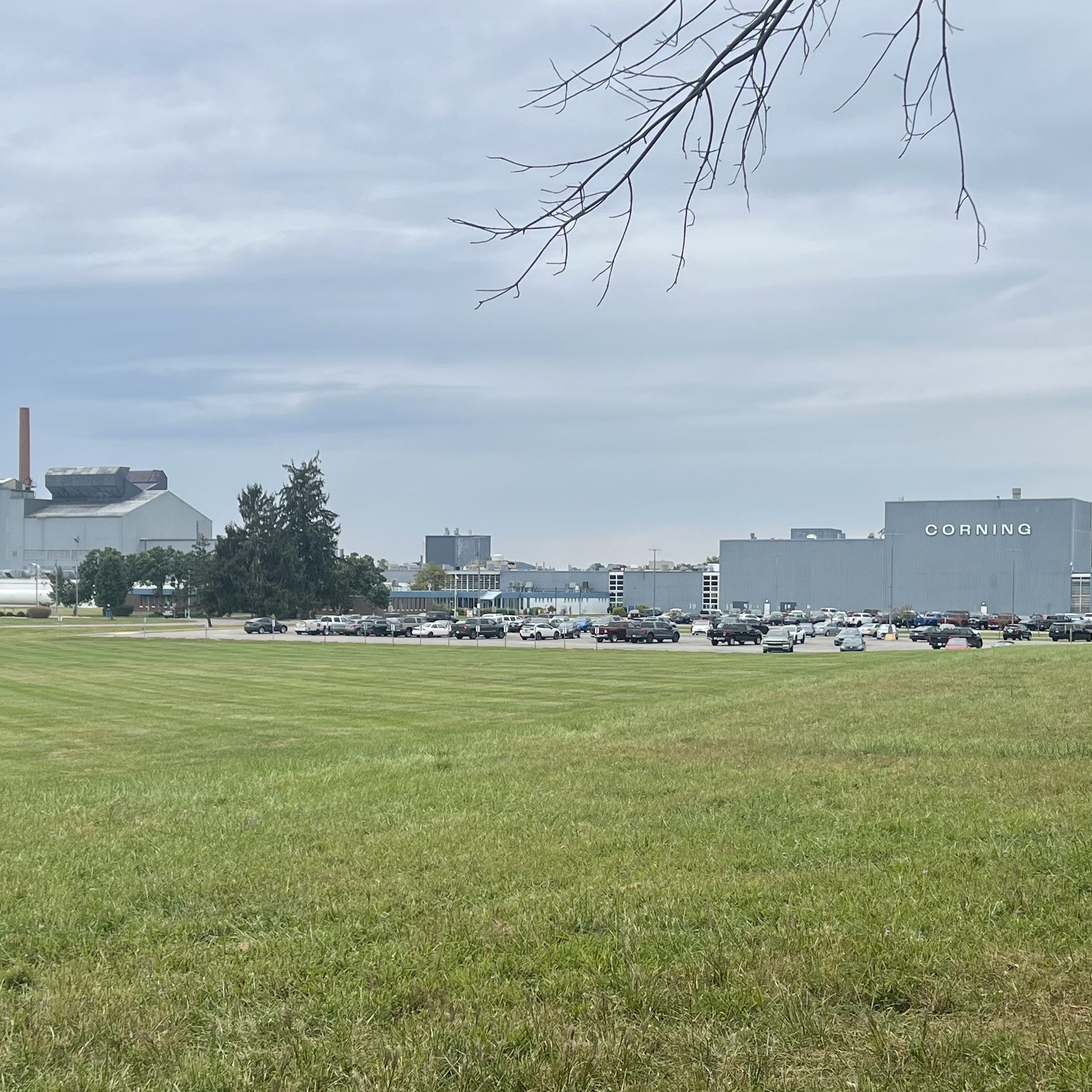
All this disruption has caused forced adaptation within both agriculture and manufacturing in Virginia. Farmers have had to diversify their crop production very quickly in response to the effects of tariffs while manufacturers have had to adjust their supply chains and seek domestic suppliers to stay afloat.
The government has responded to these concerns of farmers by aiding them with the Supplemental Disaster Relief Program (SDRP) and manufacturing has seen more exemptions being put into place to help with their increased costs.
Local economies like that of the New River Valley are deeply connected to global trade policy, yet these effects are hardly felt instantly. It will be years until we can understand the full impact of these policies, and it is the smallest farms; the smallest manufacturers that will get hit first.
“We’re just trying to hold steady until this storm passes.” Boyd said.
By John Tuason, Politics and Government reporter

With federal cuts looming and open enrollment only a few weeks out, Deepak Madala is helping to prepare Virginians for another season of healthcare uncertainty.
Madala started working at the Virginia Poverty Law Center (VPLC) twelve years ago, when the Affordable Care Act was first implemented in Virginia. He and his boss, Jill Hanken, created a program called Enroll Virginia. Enroll Virginia is a community-based effort to educate Virginians about health coverage options and provide enrollment assistance. The program was recognized by the US Department of Health and Human Services to participate in the Federal Navigator program.
In an interview on Thursday, Deepak discussed the work being done at the VPLC, how the upcoming Medicaid cuts will affect Virginians, and the unique challenges that immigrant families face regarding healthcare.
His comments were edited slightly for length and clarity.
What are the biggest challenges facing the VPLC?
Health insurance is complicated. You know, I think that’s the main challenge. While we’ve expanded, and established a good team statewide, it’s still not enough.
The people we work with; their situations are all highly specific to them and their family. It’s dependent on their personal medical needs, their personal financial situations, and their resources. That complexity has always been our biggest challenge.
There are a lot of changes coming to both the Virginia marketplace and the Medicaid program in the coming years. We’re trying our best to kind of stay ahead of that, to keep our team trained and understanding what those changes are. We’re assisting people as they’re navigating the healthcare system by both kind of helping them through those changes, but also anticipating what’s coming down the road, and helping prepare them for those.
What are the challenges that are coming up for Virginians?
It’s something that always happens, but what’s around the corner right now is that when people enroll in coverage through that marketplace, that coverage is only for one year, so they have to renew that coverage every single year and they do that during what’s called open enrollment. Open enrollment in the marketplace starts in November first, and then it goes through end of January here in Virginia.That’s a relatively short amount of time, so people need to actively go to their accounts, check and see what the prices are and see if there are plans that are and what their budget can afford.
During the COVID pandemic, the federal government expanded and the subsidies that were available to help make some of those private insurance plans more affordable. There’s still help like that available for 2026. But they’ll be less of them available because of cuts being made at the federal level to these programs.
One of those cuts was to enhanced subsidies. So, when people go to shop this fall, starting in November, they may see higher prices. Thankfully, in Virginia we still actually have a very competitive insurance market. We have a lot of different companies that do serve statewide.
How will Medicaid cuts at the federal level be affecting Virginians?
Because of this loss of subsidies and other changes that are in the news right now like Medicaid work requirements, paperwork requirements, and renewals for Medicaid. A lot of that stuff is more likely to come into play in 2026. Administrative types of burdens are going to being placed on people, and in some other states that have already gone through work requirement implementations. In states like Arkansas and Georgia that have implemented work requirements, the biggest problem was the absurdity of how they wanted people to submit their documents.
In Arkansas, for example, the website that they had to submit their documents to was only open during business hours during the week. If you’re a working person, you may have multiple jobs. So, when the website’s not even open, you’re losing your Medicaid coverage because you can’t submit the documents on your schedule. I’m hopeful that Virginia will have more reasonable expectations.
What is different about working with immigrants?
There are many areas in Virginia where there are large numbers of immigrants who don’t have access to insurance through jobs, or through universities for some reason; yet, most Virginian immigrants, do have legal status of some type. It just depends on their situation. Perhaps they’re self-employed. If they run their own business, they themselves don’t have access to insurance because of that. So that’s when we help them through the marketplace because they are not eligible for Medicaid.
Some of the of the broader challenges we see facing immigrants nationwide are families who have U.S. Citizen children who are eligible for a lot of benefits because they’re a U.S. Citizen child. There’s always concern from those families about how their data is being used and whether that is private or not.
So, there are parents who do not meet Medicaid requirements, but their children do?
Exactly. This is one of the misunderstandings people have a lot, particularly in regard Medicaid in Virginia. You do have to be what’s called a qualified immigrant to access benefits, and in most cases, that does require you to have a green card, and to have had that green card for 5 years.
A big hurdle to get over is that you must be a legal permanent resident and have had that legal permanent residence for up to 5 years before you can benefit from the Medicaid program. So, that means a lot of Virginia immigrants don’t qualify.
This 5-year bar is why private insurance is so important, because they can go and purchase plans through the marketplace. Some may even qualify for those nominal tax credits to help pay for some of the premiums, but at the end of the day they’re still paying for insurance.
Because they’re not eligible for Medicaid does not mean their children are not eligible for Medicaid, however. This is where it gets complicated. The vast majority of Americans just sign up through work, and there you go, you’re all covered. It’s more complicated for people who don’t have that, because you may have to sign up for 3 or 4 different programs because every person in the household is in a different program.
 > THE NEWS FEED <