More than hives and honey: How local farms like Birdsong build community through bees

Hunter Grove, science and technology reporter
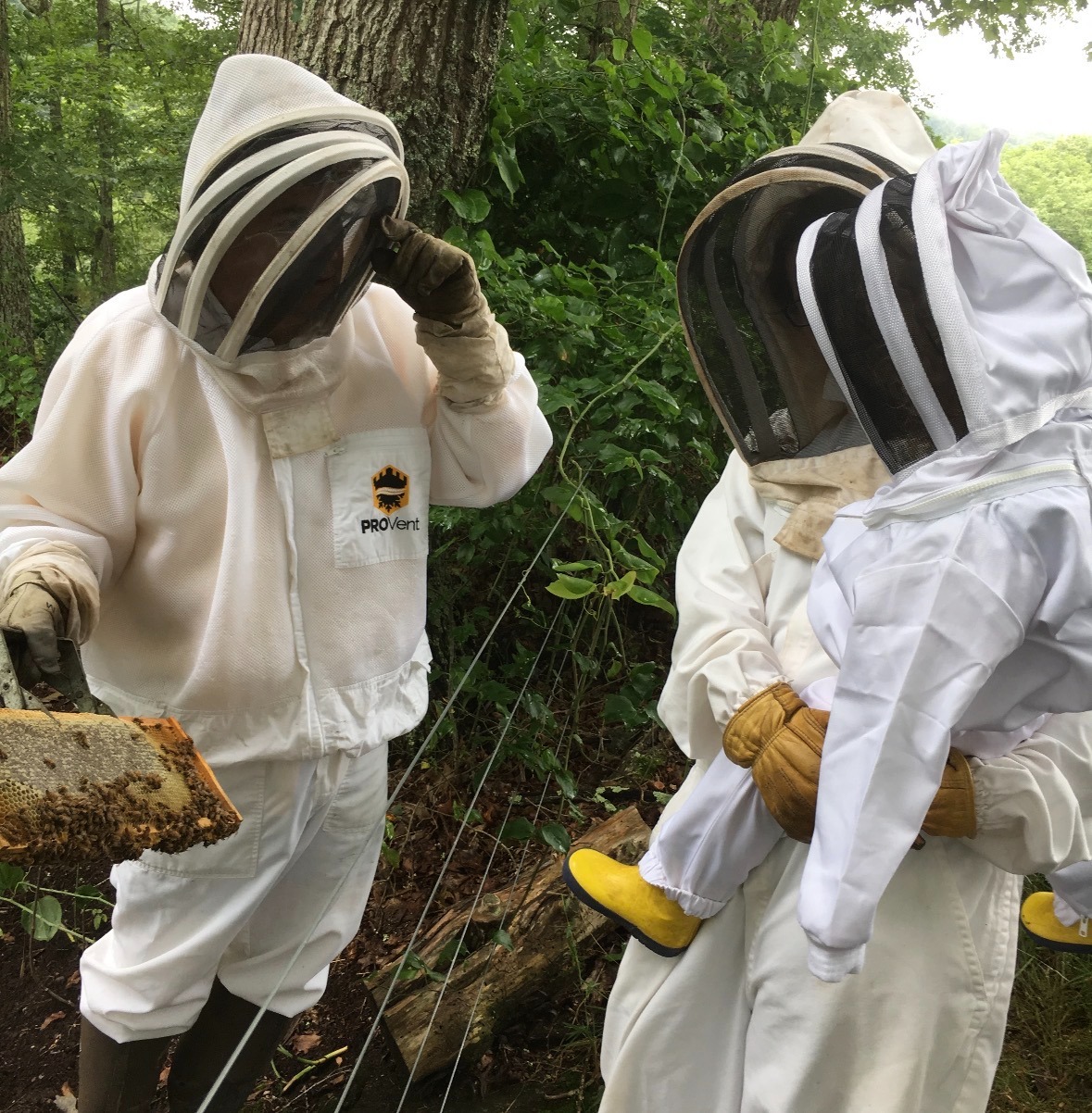
A toddler in a bee suit being during an educational event at the farm

“We understand the impact bees and our farm have on the environment and our community, which is why we want to keep it going long after we are gone.”

The importance of bees to our environment, farms and overall livelihood is something many people understand, but often only in the abstract. We hear that bee populations are declining. We are told they are responsible for pollinating much of the food we eat. But it is easy to recognize that these small insects matter without ever really seeing the work they do.

At Birdsong Farms, a small scale beekeeping operation in West Virginia, that work is visible.

Owners Deano and Patti Chlepas started their apiary as a personal project in 2005. What began with four hives has since grown into a full operation, including an online store and a steady presence at local markets. But the growth of the business has not changed its focus. The priority, they say, has always remained the same. The bees come first.

At first glance, you might not think the countless rows of wooden boxes along the farm contain anything other than air, but inside, thousands of bees are working in a manner so precise and efficient, it seems robotic. The low, harmonic buzzing of their efforts represents a calculated rhythm to their operation, not unlike the trading floor of a stock exchange.

For Deano and Patti, that rhythm is not something to control, but something to understand. Their role is less about directing the bees and more about responding to them. They watch for changes in hive weight, population, behavior and honey production. Each shift can signal something different, from a strong nectar flow to a struggling queen or the presence of disease.

Over time, that attention has shaped how they run Birdsong Farms. They emphasize natural beekeeping practices, limit chemical use and place hives where bees have access to diverse forage, including wildflowers and native plants. The goal is not just productivity, but resilience.

“We put the bees first in everything we do,” said Deano Chlepas. “I treat them like my children.”

Both manage the business side while also helping translate the work of the farm to the public. Whether through their online store or face to face conversations, they help bridge the gap between what happens inside a hive and what customers see in a jar of honey.

Together, the couple has built an operation that exists as a farm, a business and an educational space.

The fields of wildflowers and vibrant trees around the farm serve as monuments to the success of the bees and the owners who care for them, each blooming a quiet record of pollination that happened weeks before anyone noticed. What looks like untouched countryside is actually the result of constant, invisible labor.

That labor can be seen outside the fields of Birdsong Farms too. On any given Saturday morning, rows of raw honey jars, whipped honey coffee, and pastries can be seen lining the table of their booth at the Main Street Farmers Market. Transactions between customers are thoughtful and deliberate, as if each purchase carried more value than what the price tag says.

People want to know what flowers were in bloom, why one jar is darker than another or how the season affected production. The answers are rarely simple. Weather patterns, rainfall, plant diversity and timing all influence the final product.

As a result, each jar of honey represents more than a single ingredient. It reflects a set of environmental conditions, a season and the work of thousands of bees.

“So many different honey related products have become more popular lately, like raw and hot honey,” said Patti Chlepas. “We would like to make sure we can give people the best, unprocessed versions of all of these.”
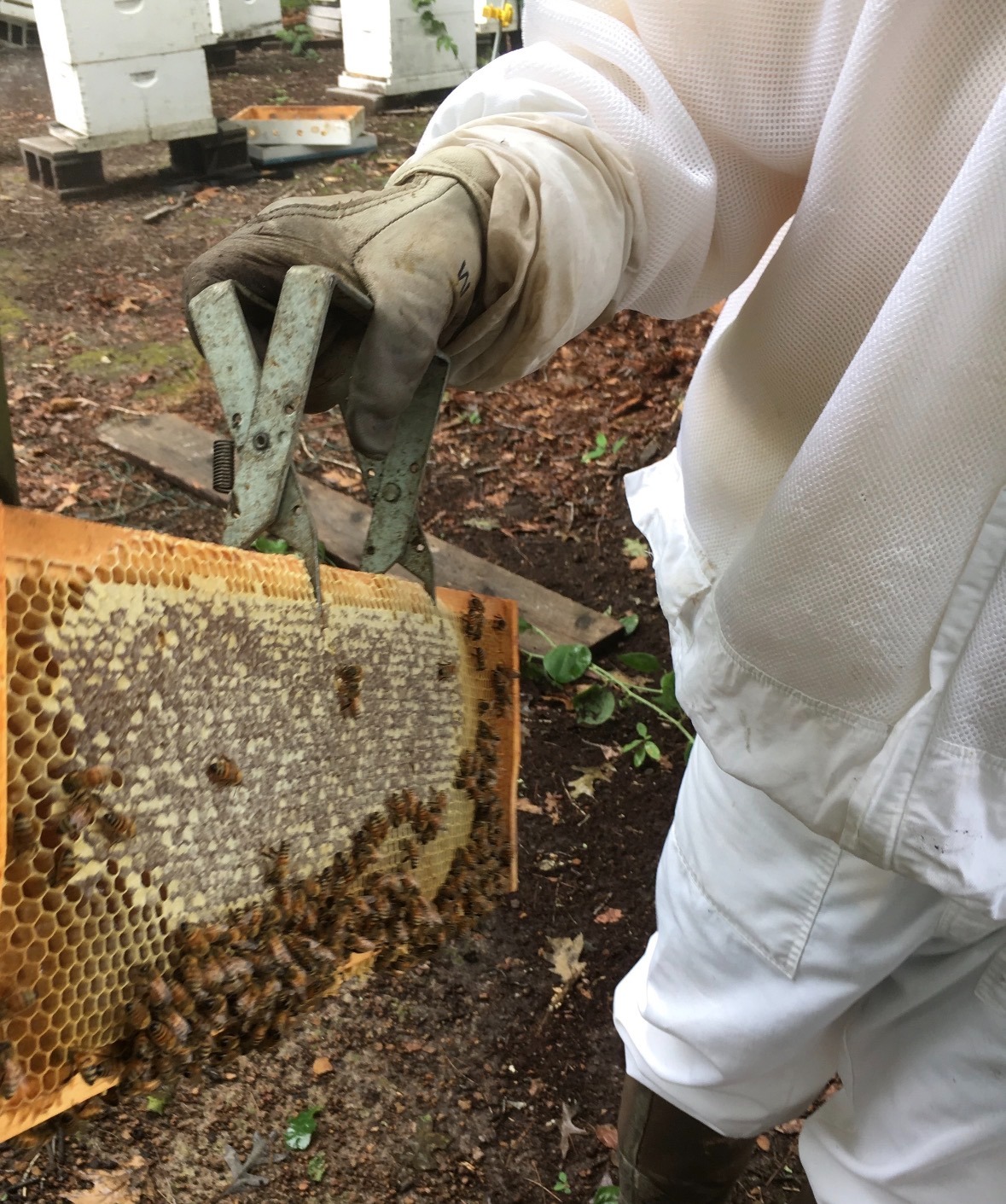
A small subsection of the hive where the bees lay their brood

For Deano and Patti, selling honey is only a small part of what they do. The products on the table are a byproduct of a much larger process, one that depends on maintaining healthy colonies over time.

The real work happens in the hives.

Beekeeping requires constant attention to factors that are often unpredictable. Weather can shift flowering cycles. Parasites such as varroa mites can weaken or destroy colonies. Changes in land use can reduce available forage. Each of these variables affects how bees behave and whether a hive can survive.

Beekeepers have to notice subtle changes and respond quickly. A drop in activity, a change in brood patterns or a decline in honey production can all signal larger issues. Managing those problems requires balance. Beekeepers must help the bees without disrupting the natural systems they rely on.

“It can be really dangerous for the bees if it gets super warm in winter,” said Patti Chlepas. “The bees might think it is spring and start laying their brood without having all the resources they need to survive.”

That kind of unpredictability has become more common. Warmer winters, shifting seasons and increased exposure to chemicals all affect how and when bees can function. Because of this, bees are often seen as indicators of environmental health. When colonies struggle, it usually points to broader issues in the ecosystem.

Birdsong Farms also works to make those connections clearer to the public.

The farm participates in outreach efforts tied to Virginia Tech, helping bring scientific concepts into more accessible settings. Through demonstrations and conversations, they connect everyday experiences, like buying honey, to larger ideas about ecology and agriculture.

One of the most visible examples is Hokie BugFest, where students and families can interact with insects in an educational environment. For Birdsong, events like BugFest are an opportunity to change perception.

Bees, they say, are often misunderstood. For many people, they are something to avoid or just write off. In reality, they are essential to systems that support food production, plant life and biodiversity.

Pollinators like honeybees and native bee species are responsible for the reproduction of a wide range of flowering plants. Many crops, including fruits, vegetables and nuts, depend on pollination to produce food. Without it, yields decline and food systems become less stable. Bees also support the growth of plants that stabilize soil, regulate water and provide habitat for other species. Entire ecosystems rely on the plants bees help reproduce.

“Even smaller apiaries can make a huge difference,” said Jay Wade, a certified golf course superintendent. “They can help increase local pollination and give bees safe managed spaces to reproduce and thrive.”

Additionally, bees pollinate foods rich in vitamins A and C, folate and antioxidants. Reduced access to pollinated foods can contribute to weakened immunity, higher rates of chronic malnutrition and greater risk of infectious diseases.

Many medicinal plants fall into this category, and without bees, their populations will shrink over time. This will lead to a decrease in genetic diversity, making medicinal compounds less potent and harder to source. This can cause problems not only for herbal medicine, but also for biomedical research and future drug discovery.

What makes that role more significant is how vulnerable bees are to change. Temperature shifts, pesticide use and habitat loss all affect their ability to survive. Because of that, their health often reflects the condition of the environment around them.

For Birdsong Farms, that reality reinforces the importance of both their beekeeping practices and their outreach.
What started as a small project has grown into something with wider impact. Through their work, Deano and Patti are not just producing honey. They are maintaining a system, one that connects land, insects and people in ways that are easy to overlook.

“We understand the impact bees and our farm have on the environment and our community, which is why we want to keep it going long after we are gone.”

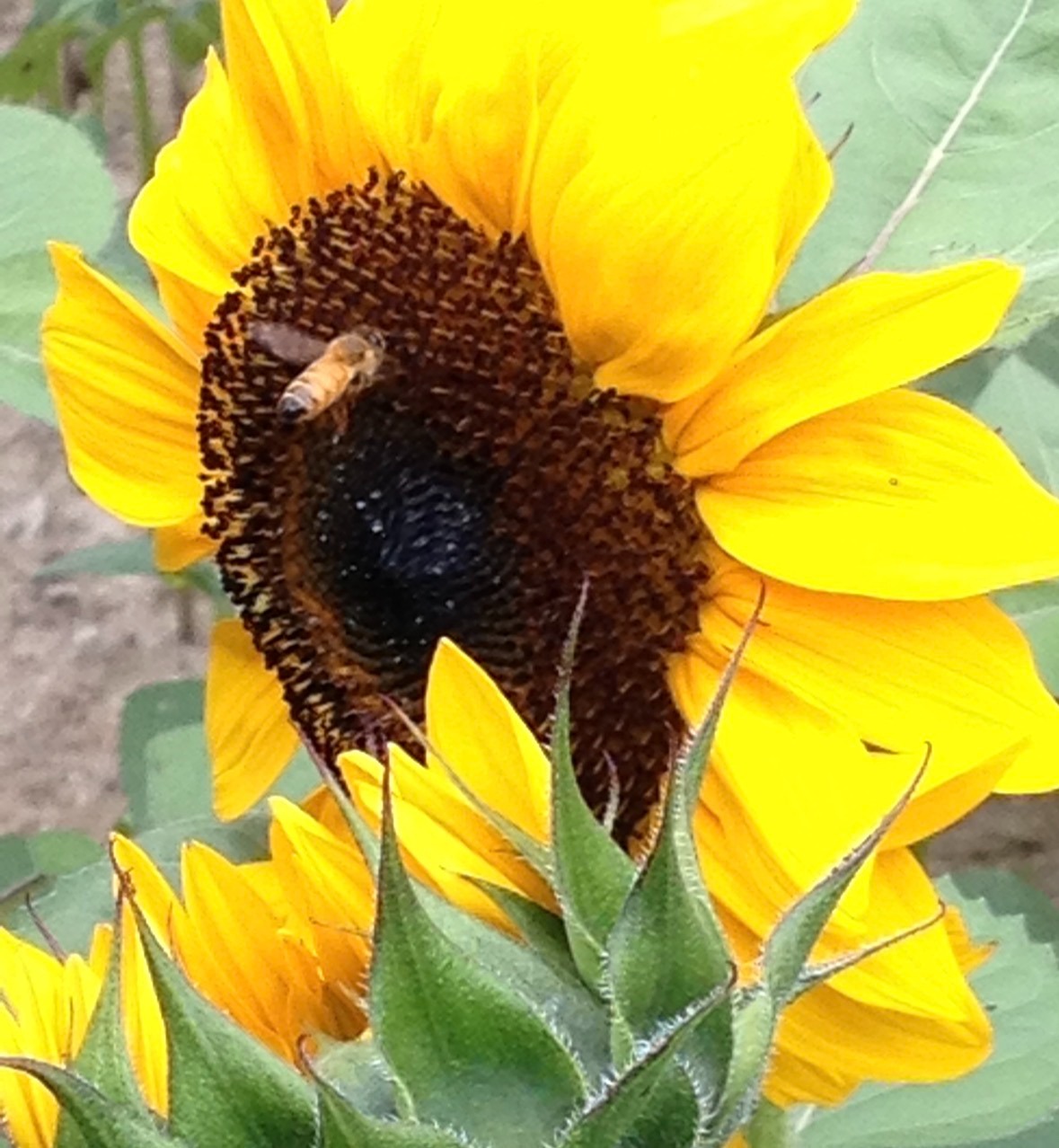
Many people assume their individual efforts would not have an overall impact, but they can make a meaningful difference. Plant flowers that bees can use. Choose native flowering plants whenever possible. Plant flowers that bloom at different times of the year. Good examples of flowers you can plant in Virginia include cornflowers, milkweed, bee balm, asters, lavender and sunflowers.  Of course, supporting local farms and apiaries is a great way to help too.
Studying DNA Deletions: How Virginia Tech Researchers Are Continuing to Explore Brain Disorders

By Hunter Grove, science and technology reporter

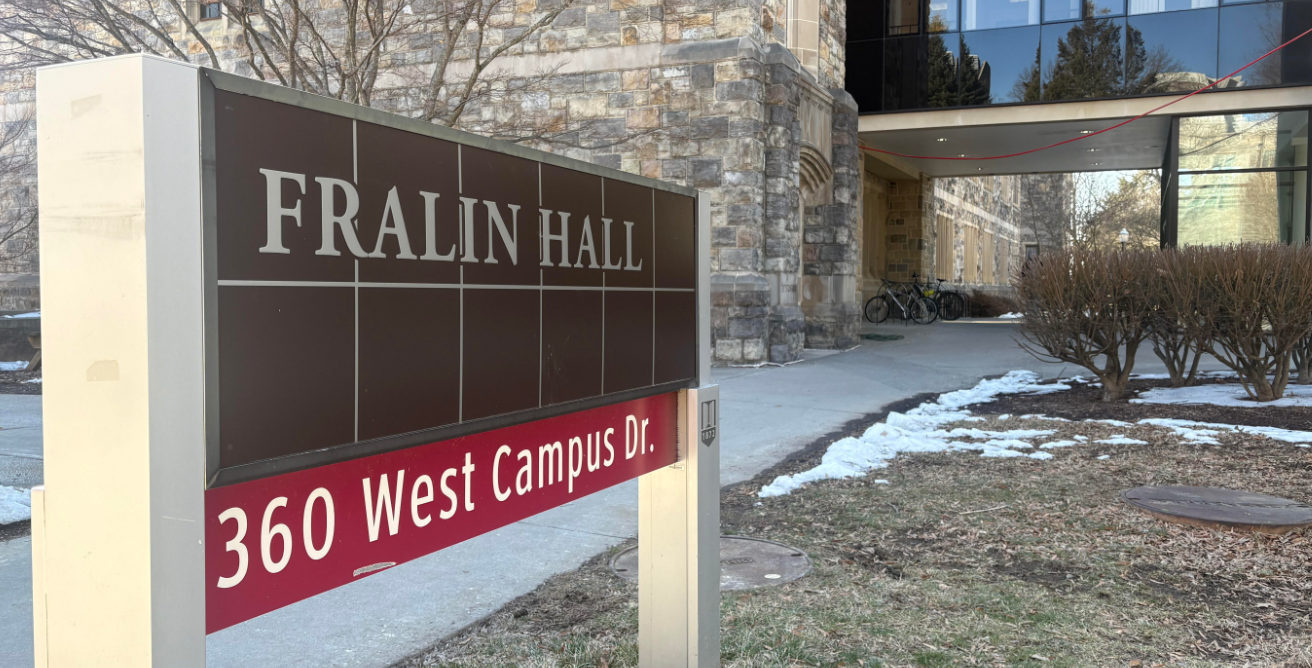
Fralin Hall at Virginia Tech, named for donors William and Ann Fralin. The Fralin name also represents the Fralin Biomedical Research Institute in Roanoke, home to Dr. Ryan Purcell’s lab. Blacksburg, Va. Feb 13 2026

For Dr. Ryan Purcell and his team at Purcell Labs, CRISPR is a key tool for understanding the genetic roots of psychiatric disorders. By engineering neurons with high-risk mutations, including the 3q29 deletion, the lab can see how tiny changes in DNA affect the developing brain, laying the groundwork for future discoveries.

CRISPR, a powerful gene-editing technology, allows Virginia Tech researchers to precisely modify DNA to uncover how it affects neurological disorders such as schizophrenia and autism. At the Fralin Biomedical Research Institute, Purcell and his team engineer human neural cells that mimic high-risk genetic mutations. This process allows them to directly observe how specific DNA changes affect brain development and function. One of the lab’s major projects focuses on the 3q29 deletion, a rare chromosomal region strongly associated with schizophrenia and other neurodevelopmental disorders.

Photo of Dr. Ryan Purcell. Photo by Fralin Biomedical Research Institute

Purcell has been studying the 3q29 deletion since 2017. In late 2025, he was awarded the Seale Innovation Fund, created by Virginia Tech alumni Bill and Carol Seale to support high-risk and innovative biomedical research. The fund provided $275,000 to six projects studying the heart, memory, and mental health.

“We continue to study that in our lab,” Purcell said. “We have a mouse model that we use because they have the same set of genes on their chromosome 16, which is useful when studying the mammalian brain.”

Purcell discovered an interest in neuroscience during classes at Johns Hopkins University but didn’t begin working in psychiatric genetics until his postdoctoral work, when he started studying the 3q29 deletion.

Inside the lab, rows of incubators quietly house developing cells while researchers move between microscopes and computer screens analyzing genetic data. The work unfolds slowly as stem cells are edited with CRISPR and compared with healthy control neurons. The goal is incremental, but the work is transformative, helping build a biological roadmap of psychiatric risk for future research.

Patience and precision are essential. Each experiment builds on the last, helping the team determine what is working and what is not. Answers often take weeks or even years to emerge.

Without CRISPR, the process would take much longer. Its technology allows the team to isolate specific DNA changes much faster than traditional methods such as selective breeding or random mutagenesis. “It’s a major convenience for us,” Purcell said. “We can generate cells that have specific edits to the genome much faster, and it allows us to address questions more efficiently.”

Currently, Purcell Labs is studying the 3q29 deletion and another variant called the 22q11 deletion, which is more common and involves a larger DNA segment. The team is exploring how these deletions affect protein levels and how environmental factors influence outcomes.

“It’s a rare disorder, but we’re still probably talking about 10,000 people in the United States alone, which is a lot,” Purcell said.

Purcell emphasizes that the goal is understanding, not immediate cures. Each experiment adds to a growing foundation for future researchers to explore how genetic changes influence brain function and development. This work could one day guide more effective diagnostics and therapies for psychiatric and neurodevelopmental disorders.

“If we’re able to make progress in our cell culture work, it could translate into people having better outcomes and being able to live more productive, independent, and healthier lives,” he said. “That’s really the long-term goal.”

With continued support from initiatives like the Seale Innovation Fund, Purcell Labs continues to push the boundaries of what CRISPR can reveal about the brain. By modeling the 3q29 deletion in human stem cells and mouse models, his team is uncovering how missing DNA segments disrupt neuron growth, communication, and other cognitive and physical functions. Studying these mutations in detail contributes to shifting psychiatric diagnoses from symptom-based assessments to more biologically informed approaches, helping with early detection, risk assessment, and understanding how these disorders develop.

How ownership and politics are shaping TikTok and the social media landscape in Virginia

by Hunter Grove, science and technology reporter

Over the past couple of years the popular social media app TikTok has become a “political football” among U.S. lawmakers and state governments. Now, with TikTok’s new ownership and Virginia’s new governor, Virginians might see some changes regarding regulation and app usage, but the future is still uncertain.

TikTok’s new ownership deal had been underway for a couple of years but was officially enacted on January 22nd, 2026. The app’s U.S. operations were transferred to a newly created company called TikTok USDS Joint Venture LLC. The change was made in order to keep the app unbanned in the U.S. and to give lawmakers more domestic control. After suspicions arose of information being stolen and anti-American propaganda being fed through the app, it was important to the U.S. government to see the app banned if kept in foreign hands. 

With the change in ownership now finalized, attention in Virginia has shifted toward how the state’s new governor plans to approach TikTok and similar platforms moving forward. Governor Abigail Spanberger emphasized data security, transparency, and the protection of public institutions in the past, signaling that Virginia’s policies would likely coincide with federal suggestions. This could mean continued restrictions on government-issued devices and state networks, as well as an overall increased push for accountability. However, at this stage, not much is known about Virginia’s plans for mandating the app or what federal guidance might suggest.

For more information, I spoke with Dr. Megan Duncan, an associate professor in the School of Communication at Virginia Tech. The following interview has been edited for clarity and length.

Dr. Megan Duncan, professor of communications and social media at Virginia Tech

How has TikTok’s role changed in the U.S. political and cultural landscape over the years?

TikTok has become a political football in the sense that debates at the national and state level often aren’t really about the app itself. While the push for a U.S. buyer was initially framed as a national security issue, much of the discussion—especially early in this administration—shifted toward using TikTok as leverage in negotiations over things like tariffs or taxation. As a result, the focus among policymakers has drifted away from national security and toward broader political goals.

How does TikTok’s new owner and Virginia’s new governor change the conversation about the app’s regulations as a whole?

I think we have yet to see what Governor Spanberger is going to do specifically about TikTok. She’s addressing some other concerns first. But there are a lot of concerns about regulation and policy around TikTok, especially at public institutions like Virginia Tech, where it’s banned and where there’s related legislation.

There are also broader concerns because in Richmond there are many state employees, and in Northern Virginia there are many federal employees who are still banned from having TikTok on their devices. A lot of this policy directly affects Virginia residents, federal workers, and people who work and learn at places like Virginia Tech.

The laws Virginia passed regarding state employees don’t include any trigger that would lift the ban if TikTok were sold to a U.S. buyer. Even if legislators believe a sale resolves the security concerns, fixing that issue appears to be a low priority right now, as they’re focused on other matters at different levels of government.

That said, there’s an opportunity to raise awareness with Governor Spanberger and state delegates to address this at the state policy level. As for new ownership, lawmakers are likely to trust the president and the executive administration to determine whether it resolves the security concerns outlined in the law.

How does new ownership for TikTok matter to the US lawmakers, and what concerns do you think they might have with that? 

It seems like lawmakers are going to trust the president and the executive administration to say that the new ownership fixes the security concerns addressed in the law. There was a mechanism in the law that said Congress was supposed to determine whether a new deal resolved those concerns, but instead we got an executive order saying that it does.

Congress could push back and argue that certification is their responsibility, but it doesn’t look like they’re going to. At the same time, we could see other legislation depending on how international relations develop. Part of how we got the law in Virginia was increased awareness, especially after the surveillance balloon incidents raised broader national security concerns.

What kind of authority does Abigail Spanberger have to regulate this kind of thing for Virginians? 

In conjunction with the state legislature, she can issue some executive orders, but mostly we’ll have to wait for legislation. Reversing the ban at public institutions or for public employees would require going through the legislature because it was passed by the delegates and state senators and signed into law by Governor Youngkin. If it had been just an executive order, she could have undone it easily, but changing a law requires legislative action.

Do you think Virginia’s approach to TikTok at all is going to change within the next couple of years? 

In a couple of years, we might see a change. There are a lot of organizations that go state to state to influence social media policy and law. That’s how we got the ban that went into effect on January 1st, limiting screen time for users 16 and under to just one hour. One advocacy group focuses on reducing mental health harms and screen time for that age group.

Because federal policy can move slowly, a common strategy is to get multiple states to implement similar policies. That’s exactly what this group did—they coordinated a consortium of states to pass similar legislation. You could think of these advocacy groups as lobbyists, but without the negative connotations; they have a mission to change policy. When they can’t influence federal law effectively, they target several states to achieve similar outcomes.