Produce Prescription: How a USDA Grant Fights Food Insecurity in Southwest Virginia 

By Elizabeth Ann Miller, health and wellness reporter 

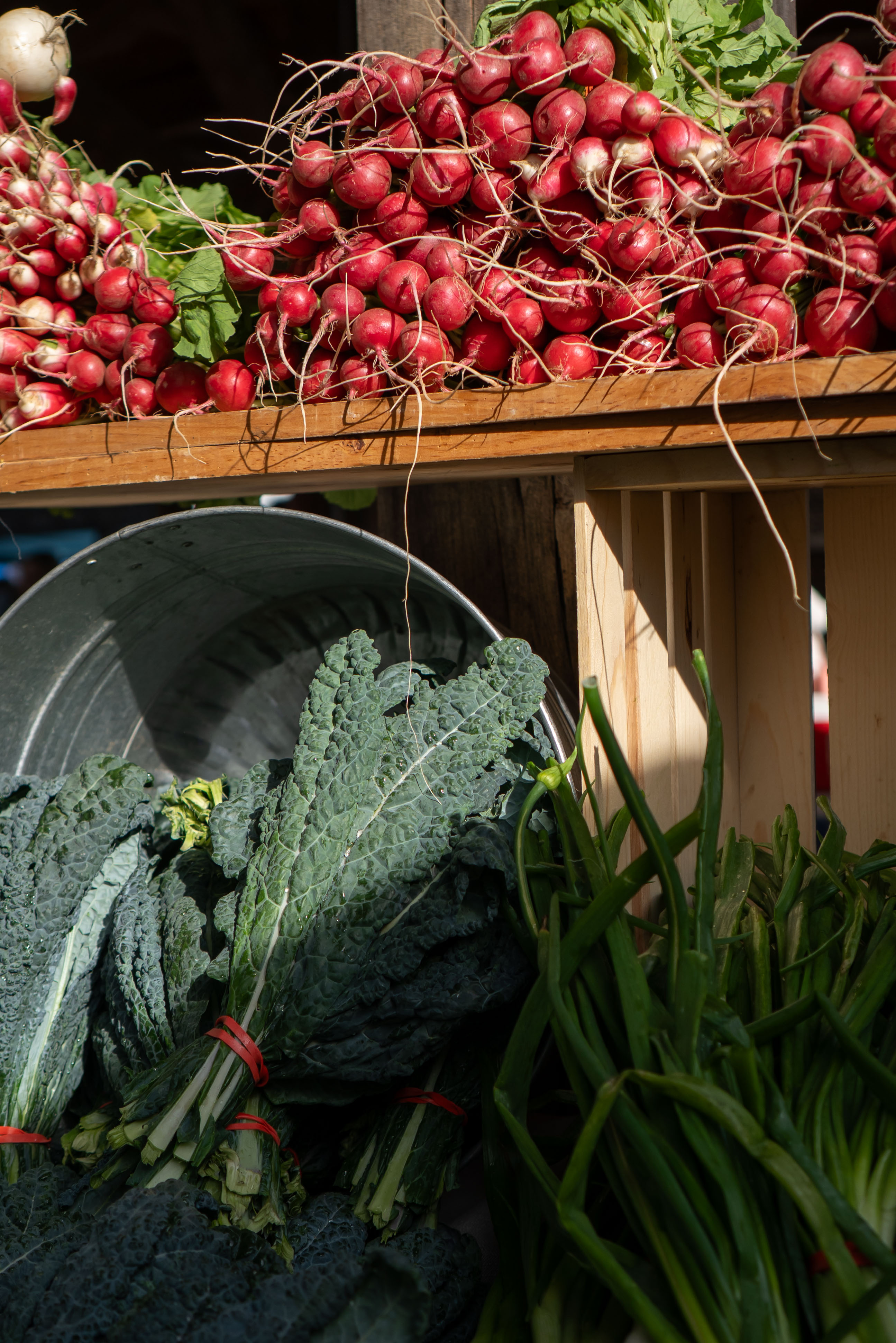
Produce grown by Crooked Porch Farm, Blacksburg Farmers Market. Photo by Elizabeth Ann Miller. 

In a region where fresh produce can be scarce and healthcare access challeng, a new initiative aims to lighten both burdens. Southwest Virginia Prescription Assistance (SWPRx) has been awarded $479,000 from the U.S. Department of Agriculture (USDA), for a collaborative program that combines healthcare with nutrition. 

The grant, part of the USDA’s Gus Schumacher Nutrition Incentive Program (GusNIP), supports efforts to improve food security in rural and underserved areas. It will fund a three-year pilot designed to provide patients with fresh produce prescriptions, nutrition education, and access to local food resources. The goal remains to improve health outcomes across the region.   

“This grant allows us to scale that impact and reach people who need it most,” said Maureen McNamara Best, project director at LEAP. 

Due to its rural nature, high rates of diet-related illnesses have long plagued Southwest Virginia. Patients enrolled in Medicaid, especially those with conditions like hypertension and diabetes, often face difficulty accessing nutritious food. Through SWPRx, participating patients will be given weekly produce prescriptions, redeemable at farmers markets, food pantries, and local outlets affiliated with Virginia Fresh Match. 

The target population includes residents in Roanoke City, Franklin County, Floyd County, and Radford City. Over the next three years, more than 300 participants will undergo a six-month program that includes peer support, structured learning, and nutritional interventions designed to foster sustainable health behavior changes. 

Southwest Virginia Produce Rx is a partnership effort, joining an array of community-based organizations. The Local Environmental Agriculture Project (LEAP) is a nonprofit in Roanoke that holds the USDA grant and manages the program’s logistics. Carilion Clinic provides healthcare services and referrals. Feeding Southwest Virginia, Virginia Fresh Match, and Radford University take on distribution, retail access, and data evaluation. With help from each collaborator, LEAP integrates farmers markets, food trucks, community stores, and a kitchen.  

“SWPRx builds on years of experience with smaller scale produce prescription programs,” Best said. 

The USDA emphasized that these awards are part of a broader national strategy to reduce health disparities and promote food access in underserved communities.  

“Nutrition incentive projects like this are key to empowering families to make healthier food choices,” said Stacy Dean, deputy undersecretary for food, nutrition and consumer services at the USDA. “They also strengthen local food systems by connecting farmers with the people who need their products most. We are excited to expand the success of LEAP’s Fresh Foods Rx pilot program to other communities in the region. The program not only increases access to fresh produce but also promotes long-term health by fostering behavioral change through peer support and education.” 

Virginia Fresh Match is a critical player in this system. It is a statewide network that matches SNAP benefits for produce purchases. Local outlets serve as redemption sites for the prescriptions distributed through SWPRx. Virginia Fresh Match allows participants to maintain access to affordable produce even after their six-month program ends. 

“We want people to walk away not just with a bag of vegetables, but the knowledge and confidence to integrate them into their lives.” – Maureen McNamara Best 

The intention is to help bridge the affordability gap, especially for patients just beginning to make dietary changes. 

As expected, this large initiative brings challenges. Transportation barriers, lack of nutrition education, and limited grocery store access are all significant hurdles for rural communities in the region. Many residents must travel long distances to access quality food options. Others simply don’t have the tools or time to learn new recipes or dietary habits. 

“Working with multiple outlets and partners can involve a lot of moving parts,” Best said. “With strong work plans and consistent feedback, the benefits far outweigh the logistical challenges.” 

Community retailers and farmers markets can ease these challenges by serving as both produce prescription and interactive hubs. They create space for conversation, trust, and connection. That’s where lasting health changes can really take root. 

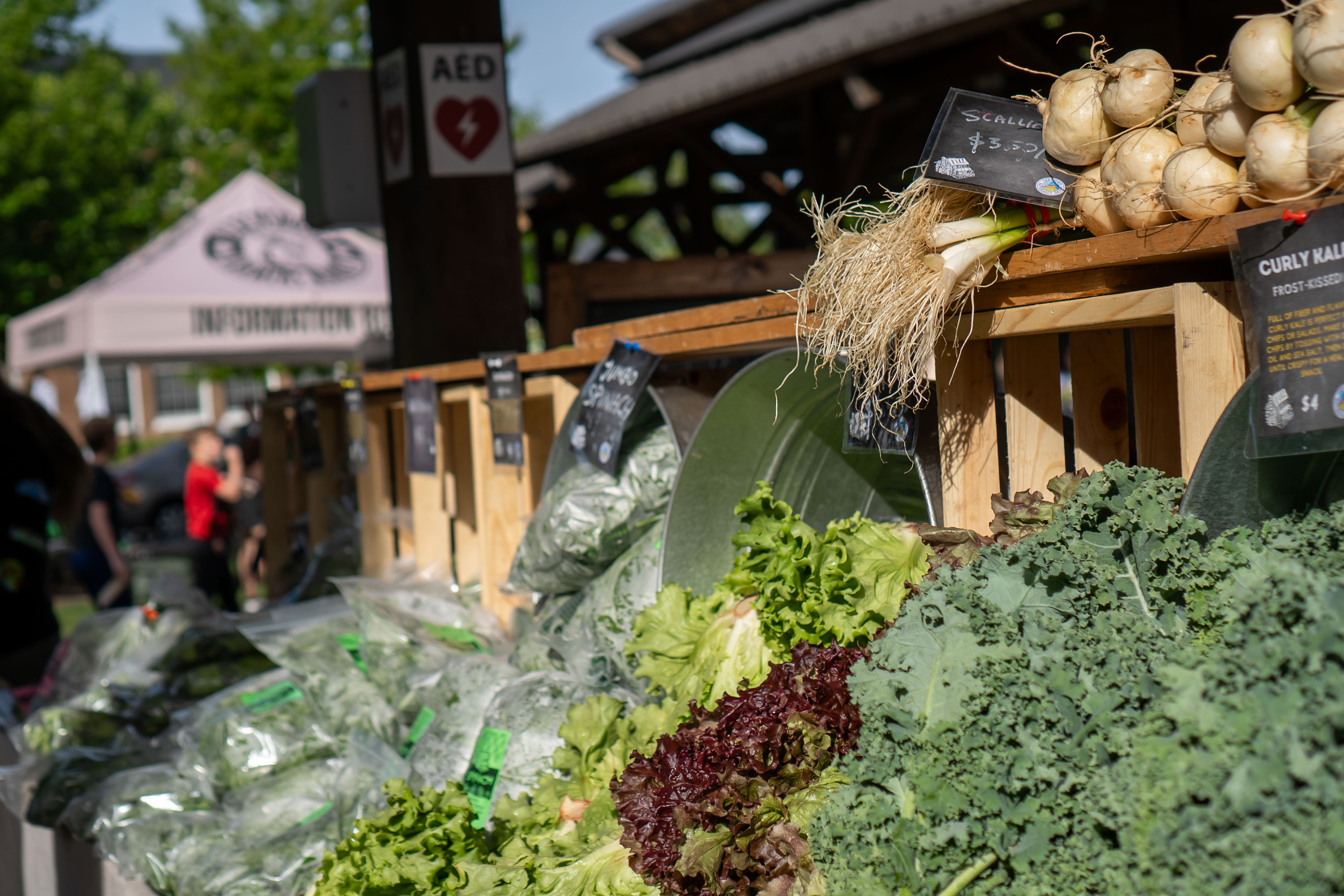
Blacksburg Farmers Market information and SNAP distribution tent. Photo by Elizabeth Ann Miller. 

As an agricultural pillar in the New River Valley, the Blacksburg Farmers Market offers more than just seasonal produce. The market fosters a culture of community wellness and sustainability. Located in the heart of downtown Blacksburg, it draws a mix of residents, local families, and Virginia Tech students seeking fresh, local options. The market has long participated in the SNAP program and continues to support food access and local agriculture. Farmers here aren’t just vendors. Farmers can be educators, friends, and advocates for health through food.  

Theresa Allen, owner of Peace and Harmony Farms and a regular vendor at the market, sees the SWPRx initiative as a great addition to the values already rooted in her farm to market practice.  

“I believe deeply in eating off the land and using what we grow as medicine,” Allen said.  

Allen has watched firsthand how a vibrant farmers market can shift the way a community relates to and consumes food.  

“Markets like ours aren’t just about shopping. I love the way they force people to slow down, ask questions, and form relationships,” she added. “That’s what makes programs like SWPRx so meaningful. They connect it all between nourishment, healing, and community.” 

For students and low-income families navigating food insecurity, these markets can become weekly support. With future potential of serving as redemption sites for produce prescriptions, the Blacksburg Farmers Market and its farmers can also help remove barriers to fresh food while continuing to foster a welcoming culture. 

“This initiative reflects the very fact that food can heal you. When you grow it with care and people consume it with love, it becomes a powerful tool for being your best.” – Theresa Allen 

The goal of SWPRx is to build a replicable model that integrates food systems into public health infrastructure. The program will track participant outcomes such as improved fruit and vegetable consumption, better management of chronic diseases, and healthcare utilization changes. Researchers at Radford University will analyze the data to help refine and adapt the program over time. As it is in the first year of implementation, there is no impact data. The program cohort launched this April and is constantly tracking and evaluating.  

While the initiative is grounded in Southwest Virginia, its implications are broader than the New River Valley. The USDA grant is part of a national movement to recognize and invest in food as health. According to the CDC, only 10% of American adults consume enough fruits and vegetables daily. This trend not only contributes to widespread chronic illness but increasing healthcare costs as well.  

Programs like SWPRx aim to disrupt that cycle by focusing on prevention through access and education. Instead of reacting after the fact to illness with medication alone, they invest in proactive lifestyle changes that can lead to long-term, sustainable improvements. 

“When someone learns how to cook with fresh ingredients, understands their value, and sees their own health change, it’s transformative,” said Best. “We’ve seen people start off hesitant and finish empowered.” 

The SWPRx team also emphasizes the importance of connecting participants to broader community support systems.  

“We don’t want this to be a one-time intervention,” she added. “We’re building bridges to local resources that can support people long after the program ends.” 

The expansion of SWPRx comes at a time when rural healthcare systems are under increasing pressure. Southwest Virginia, like many underserved regions, faces rising rates of diet-related disease and limited access to specialized care. 

This grant may not solve every challenge, but it does show how partnerships between healthcare providers and food systems can offer meaningful, scalable solutions that improve access to food and long-term health outcomes. SWPRX shows the power of cross-sector collaboration.  

Over the next three years, public health experts, community leaders, and policymakers will be watching closely. If SWPRx proves effective, it could serve as a blueprint for other rural regions similarly seeking to bridge the gap between nutrition and healthcare. 

“It’s not just about getting food into people’s hands. It’s about changing the systems that determine whether or not people can live healthy lives.” – Maureen McNamara Best 

Best’s words capture the heart of the initiative. Food is not only nutrition. Food is medicine and a pathway to a full life. 

Produce grown by Crooked Porch Farm, Blacksburg Farmers Market. Photo by Elizabeth Ann Miller. 

Health Implications Of The Red Dye Ban

By Evvy Fite, Elizabeth Ann Miller and Madi Poole, health & wellness reporters.

Recently in the United States there has been a movement to ban artificial food colorings, in particular Red 40. Following the January 2025 ban on Red Dye No. 3 from food and ingested drugs, people have been speculating on whether more food dye bans are on the horizon. Sean O’Keefe, a Virginia Tech professor in the Food Science & Technology department, shared his thoughts on the bans and the health implications of food coloring.

CVS Special Delivery: Blacksburg Police Delivers Baby in the Car

By Elizabeth Ann Miller, health and wellness reporter
A Blacksburg mother had an unexpected delivery in their local CVS parking lot after going into labor faster than anticipated. On their way to the hospital, the Hamdens realized they wouldn’t make it in time and pulled over. Luckily, Officer Hayes of the Blacksburg Police Department was nearby and stepped in to successfully deliver the baby before paramedics could arrive.

Emergency responders arrived shortly after to provide medical care, ensuring stability before transporting them to a nearby hospital. Thanks to Hayes’ quick actions, the delivery went smoothly, and both mother and baby are in good health following the unexpected birth!

Montgomery County Schools Introduces Nonstop Student Counseling 

By: Elizabeth Ann Miller, health and wellness student reporter 

Montgomery County Public Schools is offering students free access to 24/7 mental health counseling through a new pilot program called Reach Out by Gaggle, providing around-the-clock support via call or text.

Reach Out by Gaggle in use. Photo by Gaggle.

 Why it matters: Reach Out by Gaggle reduces mental health barriers for students, aiming to improve holistic wellbeing.  

  • By ensuring support is available beyond school hours, the program addresses crises in real time, catering to the urgency of mental health concerns.  
  • When a serious issue arises, professionals can quickly intervene and notify school staff or law enforcement, offering a level of immediate support that was previously unavailable to students. 
  • This initiative removes physical and logistical obstacles to care, ensuring students can seek help anytime, anywhere. As mental health challenges continue to rise among young people, school officials hope the program will provide critical, life-changing support and set a new standard for student well-being. 

The big picture: Students need strong mental health support not only to thrive but to learn and perform at their best, both in and out of the classroom. 

  • Identifying and addressing mental health concerns early can prevent crises. With immediate access to professional support, students can receive real-time guidance and coping strategies to manage challenges before they escalate. 
  • This proactive approach enhances student safety while fostering a culture of mental health awareness and prevention across Montgomery County Schools
  • “MCPS supports the whole person and recognizes that mental health impacts learning.  We desire that students have the resources they need during school hours with school counselors, and outside of school hours with Gaggle Reach Out,” said Jane Greenough, Montgomery County Public Schools Supervisor of School Counseling. 

Zoom in: Students spend much of their time in school, making access to mental health support critical to their overall well-being and success. 

  • Parents and educators see the initiative as a vital step in addressing student mental health concerns, ensuring help is available when and where it’s needed. 
  • “I think this program will provide a proactive approach to students mental health and is a great step towards fostering a supportive environment for our children’s growth and success,” said Lindsey Hamden, former school counselor and Montgomery County Schools parent. 
Lindsey Hamden and children. Photo by Elizabeth Ann Miller.

What we’re watching: Montgomery County Public Schools will evaluate the program’s effectiveness at the end of the academic year, analyzing student usage, counselor response times, and overall impact. 

  • If successful, officials may extend the service to middle school students, recognizing the increasing need for early mental health intervention. 
  • Feedback from students, parents, and educators will shape future improvements, refining the program to better serve Montgomery County’s youth. 
  • “We hope to see our students flourish and grow in confidence with the resource provided by Gaggle Reach Out.  It is our desire that students who are in need will be identified and connected to additional resources so that they can gain resilience.  We want them to know that someone is always available to talk with them and they do not have to struggle alone,” Jane Greenough said. 

The Cost of Distance: Push for a Kidney Transplant Center in Southwest Virginia 

by Elizabeth Ann Miller, health and wellness reporter

Carilion Clinic is fighting to provide Southwest Virginia its first kidney transplant program, bringing life-saving care closer to home. The biggest obstacle remains support from state regulators. 

Carilion Roanoke Memorial Hospital. Photo by Emily Schabacker. 

Southwest Virginia is one of the few regions in the state without a kidney transplant center, forcing patients to travel up and down the east coast to facilities in Richmond, Charlottesville, or North Carolina. Carilion Clinic believes a local program would limit that burden and save more lives. However, the proposal lacks support from select state regulators. This hurdle highlights the broader challenges in providing specialized medical care to rural communities, where patients often face long wait times and logistical barriers to treatment. 

According to a report by Cardinal News, The Roanoke-based health system defended its proposal during a four-hour hearing in Richmond. Eight individuals, including a kidney transplant recipient, Joey Shervey, spoke in support. The state’s Certificate of Public Need division recommended denying Carilion’s request, raising concerns expressed by the University of Virginia (UVa), which currently operates the only transplant center in the region. 

Patient Struggle 

Joey Shervey spoke during the hearing to represent local patients. At 28, Shervey has already endured the emotional and financial burden of kidney failure and transplant. He was diagnosed with Stage 5 kidney failure at 26. Throughout the treatment and transplant process, Shervey and his wife, Jessica, were living in Roanoke. Appointments required them to frequently make the nearly two-hour drive to Charlottesville, straining their finances, careers, and daily lives. During the hearing, Shervey expressed that for patients like him, Carilion’s proposal represents a shot at a better life.  

“I’ve become the person I did not want to be. I am a 30-year-old man living in my parents’ basement. That’s not the goal I want to set for my future family,” Shervey said during his testimony. 

The Sherveys traveled to Richmond to advocate for Carilion’s proposal, hoping future transplant patients in the region won’t face the same struggles. Jessica Shervey took on the role of primary caregiver and spoke about the sleepless nights, constant travel, and anxiety that came with her husband’s health crisis. 

Opposition and Support 

UVa is the only health system opposing Carilion’s plan, arguing that the biggest barrier to kidney transplantation is the limited availability of donor organs in Southwest Virginia. In their opposition letter, UVa noted that it already operates outpatient transplant clinics in Roanoke, Martinsville, and Lynchburg, allowing Southwest Virginia patients to receive most of their care closer to home. 

Dr. Marlon Levy, CEO of Virginia Commonwealth University (VCU) Health System and Senior Vice President for VCU Health Sciences, disagrees with UVa’s statement. VCU, one of the largest transplant centers in the country, often works closely with UVa. Levy noted that many donated kidneys go unused due to logistical challenges such as organ transfer delays and overwhelmed surgical teams. 

“Sometimes it’s because of organ quality. Sometimes it’s because of geography that prevents the organ from being transferred to the organ center. Sometimes it’s because the surgical teams are too busy to accept another organ,” Levy said during the hearing. 

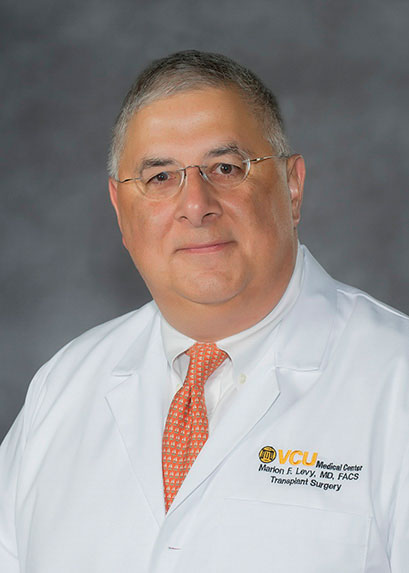
Dr. Marlon Levy, CEO of VCU Health. Photo by Allen Jones.

In an interview, Levy emphasized that access to a transplant center is key, as quality of life improves significantly post-transplant compared to being on dialysis. He explained how a transplant center in Roanoke would help increase organ utilization rates by reducing the distance organs must travel and alleviate strain on existing transplant centers. 

“In 30 plus years of surgery, I’ve learned that it’s all about the patients,” Levy said, stressing the importance of better serving patients across the region. “Kidney transplantation is not just about survival—it’s about quality of life.” 

Carillion’s Plan 

The transplant program in Roanoke is led by Dr. Arnold Salzburg, Carillion transplant and general surgeon. Carilion has performed well in organ procurement, securing more deceased kidney donors over the past three years than any other Virginia health system. However, without a local transplant center, these organs are sent to other hospitals for transplantation. 

“As many as 5,000 people in our region are experiencing advanced stages of kidney disease—more than any other region in Virginia—and around 2,300 people in the state are on the transplant list, often staying on the list for two or more years before they can schedule a transplant,” Salzburg said in an article published by Carilion Clinic. 

For many in Southwest Virginia, access to a kidney transplant program isn’t just about convenience. Patients requiring transplants must undergo frequent medical evaluations before and after the procedure. For those living in Roanoke and surrounding areas, traveling to Charlottesville or Wake Forest adds a layer of difficulty and financial strain. 

“We have the infrastructure, we have the ability, now we just need the approval,” Salzburg said during the hearing. 

The Virginia Department of Health is set to close the public record on Feb. 28. The state health commissioner will review the case before issuing a final decision in the spring of 2025.  

Beyond the immediate decision, debate over Carilion’s proposal has sparked broader discussions about healthcare access in rural regions. Advocates argue that the regulatory process should prioritize patient needs, while opponents warn against creating programs without established records of success. If Carilion’s plan is approved and successful, it has potential to encourage other health systems to pursue transplant programs in areas currently lacking access.