
By: Josie Sellers, health and wellness reporter
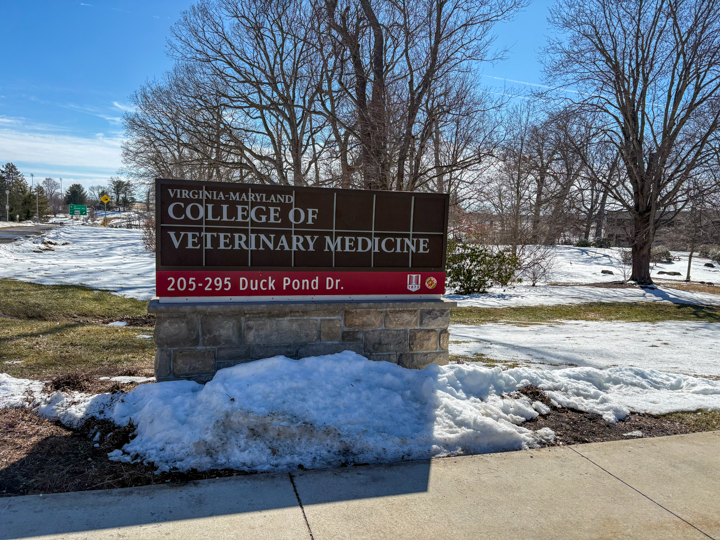
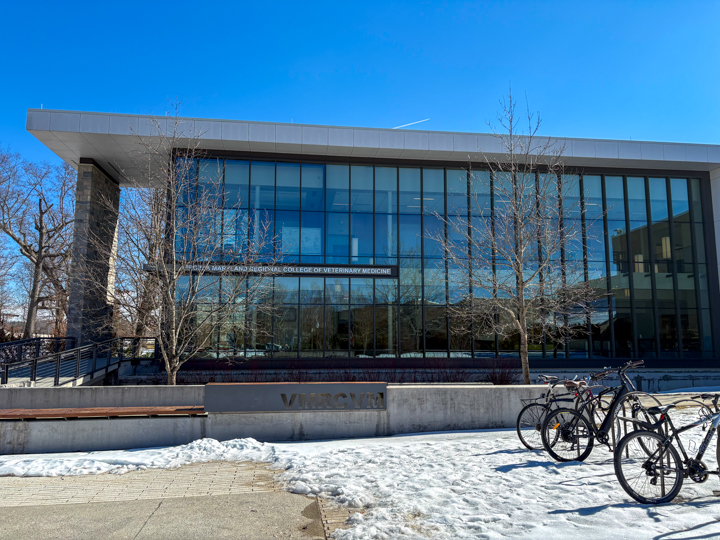
BLACKSBURG, Va. (Feb. 13, 2026)- Researchers at the Virginia-Maryland College of Veterinary Medicine at Virginia Tech are testing a new approach to treating brain tumors using the drug verteporfin in combination with photodynamic therapy.
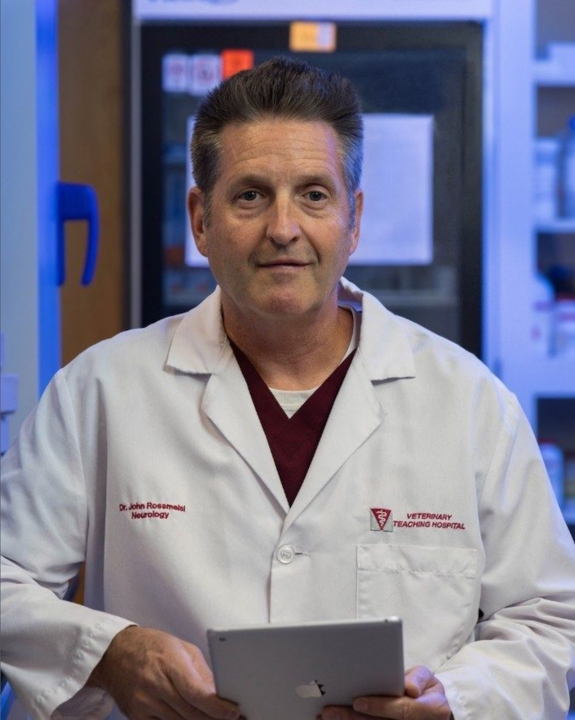
Led by Dr. and Mrs. Dorsey Taylor Mahin Professor of Neurology and Neurosurgery at Virginia Tech, Dr. John Rossmeisl, the study will test three dogs diagnosed with brain tumors over 180 days to determine a safe and effective dose of the photosensitive verteporfin, “NanoVP.”
The trial specifically targets glioblastomas, which are extremely aggressive and infiltrative. In the United States, about 12,000 people are diagnosed each year, and they account for 14% of brain tumors. They are especially hard to remove because they lack a clear border.
Hopefully, the findings from the trial will aid in research on tumors in humans, once again giving reason to believe dog is a man’s best friend.
Cancerous cells in brain tumors, especially glioblastomas, can travel from the tumor that is visible using diagnostic techniques, such as magnetic resonance imaging (MRI). Because it is difficult to see the invasive cells, it is a challenge to remove the entire mass. As a result, it often recurs.
Rossmeisl is collaborating with the University of Maryland Associate Professor Dr. Joe Huang, who developed NanoVP. He compares it to an eraser at the end of surgery, where cells that are not removed by hand are eradicated.
“The goal of this particular study will be to administer the drug and then shine the light into the resection cavity after the main tumor mass is removed, with the goal of the drug in the photodynamic therapy killing any remaining cancer cells that remain behind that we can’t see,” said Rossmeisl.
NanoVP differs from other photosensitizing drugs because it crosses the blood-brain barrier. This barrier is a wall of cells that defends the brain from harmful substances, preventing about 98% of small-molecule drugs from entering.
Because of the relatively small size of the drug, it can cross the barrier to reach tumors.
Already, data from previous trials on mice show that the drug effectively kills tumor cells. In preclinical trials, it extended the life of the mice beyond other treatments. The current study will determine effective doses with limited side effects for the dogs.
The target doses will be based on the data they already have from the mice. Because dogs are much bigger than mice, they will likely need more.
However, because of the photosensitization, the patient may have complications when they are exposed to light. This study aims to research the ideal amount of injection.
While the dogs are under anesthesia, as much of the tumor as possible will be removed through surgery. Then, NanoVP will be injected through a vein. Once the tumor is removed, a laser will shine to activate the drug, killing the remaining tumor cells.
Within the next two hours, five blood samples from each dog will be collected for research.
For the next six months, they will have follow-up visits, and owners may withdraw them at any point.
This trial differs from conventional animal testing, which involves generating a disease. Instead, his study focuses on dogs who already have brain tumors, which Huang says is a more ethical approach.
“If we give the drug with no drug-associated side effects in this trial, we’ll consider the trial successful,” said Rossmeisl. “It’s a very early-stage trial, so we’re not trying to prove that it’s going to totally eliminate cancer. That’ll be later on down the road.”
Rossmeisl hopes that in the future, this treatment will be used more frequently in combination with other forms of more traditional cancer treatment, such as chemotherapy or radiation.
While this trial specifically works with brain cancer, the drug is effective against any kind of tumor.
In fact, Dr. Huang has already used the drug for various kinds of tumors.
“You might need certain doses for certain types,” said Rossmeisl. “You might have to tweak the dosage or the exposures to light for certain types of tumors. But then again, those are details that would be answered in a different study.”
Researchers also want to utilize findings from the trial to improve treatment for humans, giving hope to those who may benefit.
“As a patient who has a brain tumor- and actually has had a couple- and has undergone two surgical interventions for it, I am really glad that they are doing this experiment, and it’s going through the phases of clinical trials before it approaches the patient,” said Virginia Tech student Sydney Hill. “It seems like a really good therapy, and I hope that it has some promising results.”
This trial is working with a European glioblastoma study using the same photodynamic therapy approach in people. Both trials are funded by the same company, Modulight, using a translational approach where the data from the trials are shared to improve both studies.
As of now, there are no dogs enrolled in the study. Those interested in the trial can find more information here.
 > THE NEWS FEED <