
Michaela Scott, crime, safety and justice reporter
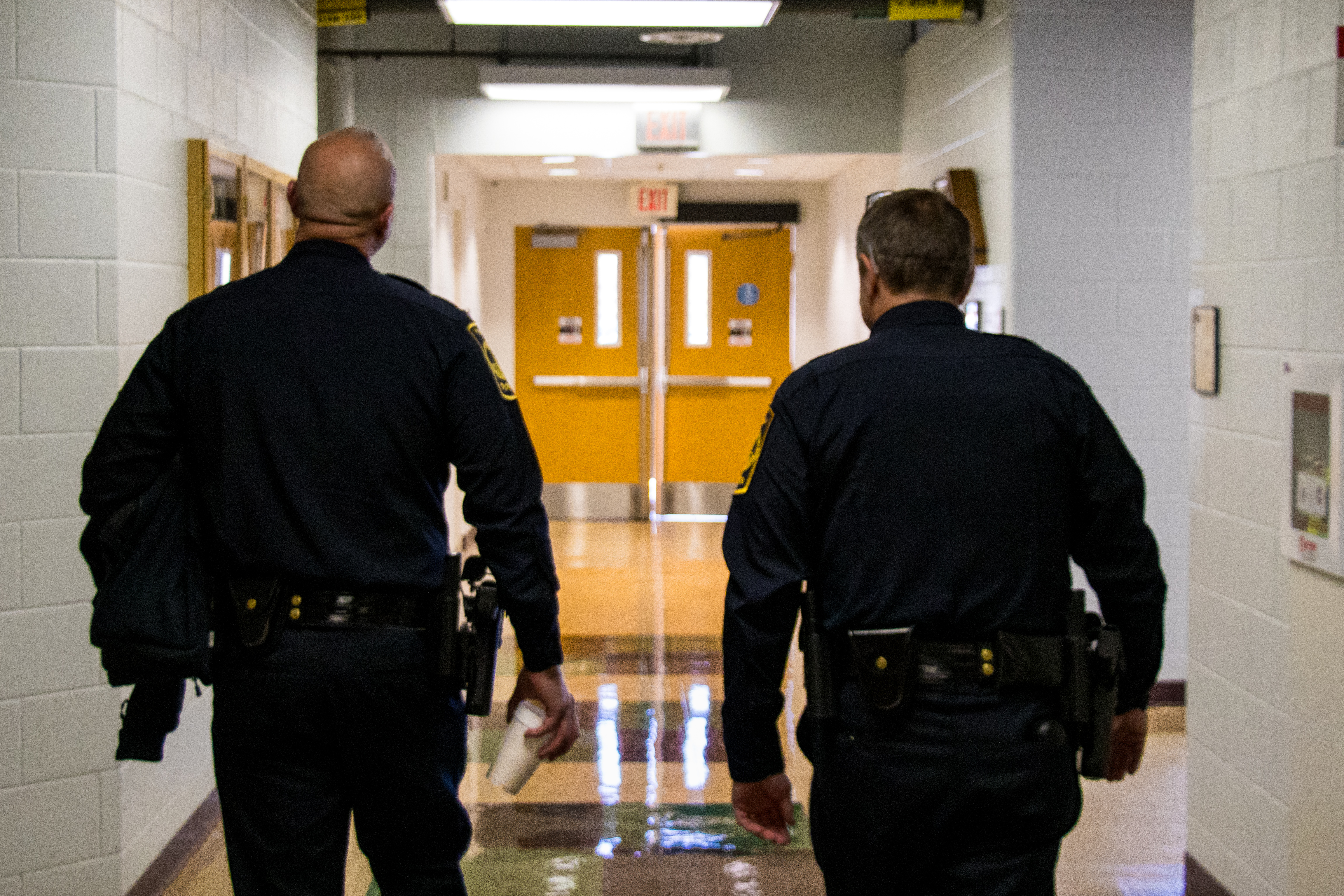
Federal immigration detentions have surged nationwide this year, and the detention of a Virginia Tech student early last July continues to raise questions in the New River Valley about how federal immigration policy intersects with local policing.
As of Dec. 26, 2025, there are 212 active detention centers operated by U.S. Immigration and Customs Enforcement, which is roughly double the number in operation at the start of the year. Some local law enforcement agencies across the country have participated in what are known as 287(g) agreements, which are federal partnerships that allow trained officers to perform certain immigration enforcement functions. Similarly, at some universities, campus police departments have entered agreements with the federal government authorizing officers to assist in immigration enforcement.
According to ABC News, the Trump Administration’s surge in law enforcement has created a chilling effect on student attendance in districts nationwide. Thousands of students in counties across the U.S. are being reported absent from school daily in fear of ICE agents.
In Virginia, however, state policy shifted earlier this year.
On her first day in office, Gov. Abigail Spanberger rescinded Executive Order 47 (2025). It had originally required state law enforcement agencies to cooperate directly with federal immigration authorities and encouraged participation in federal deputization programs.
In essence, the order removes the initial mandate, allowing state law enforcement to refocus on their core responsibilities, such as keeping Virginians safe.
The move marked a shift in state policy and offered reassurance for students. The Virginia Tech Police Department says their mission has always remained the same.
“Nothing changed from the day before to the day after the new executive order,” said Mac Babb, VTPD chief of police. “We’ve been the consistent agency all along in our focus on supporting the community.”
However, social media and conversations across campus have raised questions regarding whether VTPD would honor a criminal ICE detainer.
Anonymous posts warning of ICE sightings have continuously circulated on Yik Yak, a location-based social media, amplifying uncertainty among some students about what authority campus police hold in immigration matters. Babb emphasized that the department encourages students to contact campus police if federal agents are reported nearby, in order to verify legitimacy and to prevent unnecessary escalation.
Babb added that none of these claims have been proven to be true.

“A lot of what VTPD would do is more for the community than it would be for ICE, but it would be perceived as, oh, you’re helping ICE.” Babb said. “If ICE was on campus, our purpose there would be to deescalate the situation, so we don’t expose more people to investigations by ICE and potentially subject additional people to arrest, which doesn’t need to happen.”
In regard to the Virginia Tech student detained in July 2025, Babb explained that VTPD was not a part of the enforcement action but later conducted an internal review to assess preparedness and potential implications.
“I think it’s important that everybody understands that the detention last July occurred after an actual criminal event, and unfortunately, it triggered an inspection during the arrest process,” Babb said. “So those are the types of things that we try to watch out for, and to make sure that we don’t have more people end up in situations where they’re under review as well.”
With international students making up 12% of the total student population at Virginia Tech, Deputy Chief Tony Haga explained that his team has devoted time to connect with the student population to build assurance in students.
“Some of those students are coming from places of origin where there is no relationship with the police department at all,” Haga said. “So already stepping into our community, we are somebody they’re not going to trust.”
To bridge that gap, VTPD has partnered with the Cranwell International Center to provide presentations and informational sessions outlining students’ rights and campus procedures.
University leaders say that those efforts reflect a broader institutional commitment to international students.
“If we’re going to save the environment, cure cancer, and develop the hottest technology in AI, we need to know how the world interacts with it,” said Mark Owczarski, VT university spokesperson. “From the very beginning, we truly welcome and seek out individual international folks from all over the world to come here.”
Babb reiterated that immigration enforcement is a federal responsibility, and that VTPD’s role remains focused strictly on criminal matters and campus safety.
While state policy shifts and national enforcement trends continue to evolve, university officials maintain that their role remains focused on campus safety rather than immigration enforcement. For some students, however, broader national debate means concerns about immigration policy are unlikely to fade.
“In light of current events, say what you will, but the values and the approach that Virginia Tech takes haven’t changed,” Owczarski said.
 > THE NEWS FEED <