
By Timothy Kwon, science and technology reporter
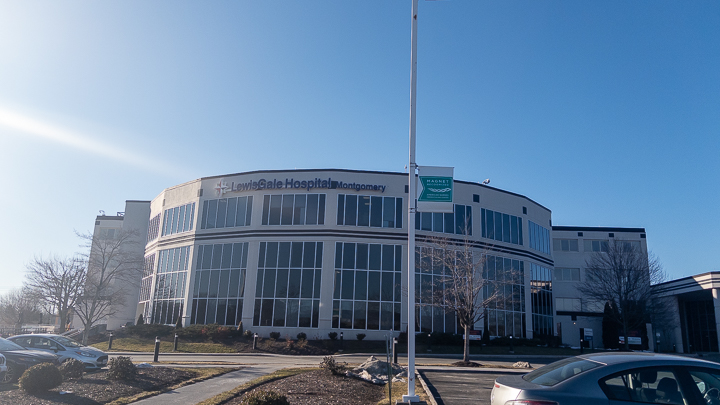
LewisGale Hospital Montgomery in Blacksburg provides in-person and telehealth services to patients across the New River Valley. Photo credited by Timothy Kwon.
For many residents of the New River Valley, a doctor’s appointment no longer requires a long drive through mountain roads or hours away from work. Telehealth has become a lasting part of rural health care, offering patients across the region more flexible access to medical and mental health services.
While telehealth use surged during the COVID-19 pandemic, local providers say it has evolved into a permanent tool for connecting rural patients with care. In communities such as Giles, Floyd and Pulaski counties, distance and transportation remain significant barriers to in-person visits.
At LewisGale Hospital Montgomery, telehealth is now integrated into outpatient workflows across the network. Rhonda Whaling, healthcare provider of LewisGale community outreach, said virtual care helps eliminate the burden of travel for many patients.
“Telehealth cuts out the long drive,” Whaling said. “For a lot of rural patients, it turns a half-day trip into a focused visit from home.”
Whaling said many telehealth appointments involve follow-ups, check-ins and specialty visits that do not require a hands-on exam. Patients still follow a structured process, checking in and joining secure video visits much like they would wait for a provider in a traditional office setting.
“The biggest benefit is simple access,” Whaling said. “It lowers the life cost of getting care..”
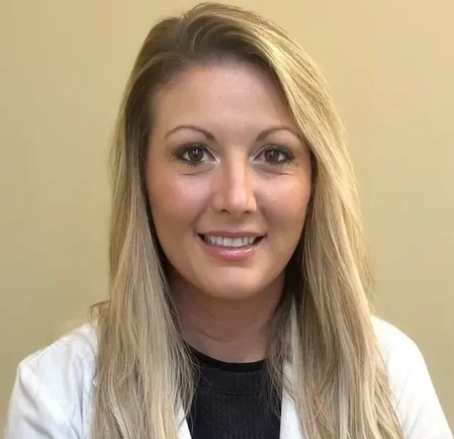
Taryn Wilson is a physician assistant who provides clinical assessments, tests, and prescriptions at Blacksburg Psychiatry. Photo courtesy of Blacksburg Psychiatry.
Mental health services have become one of the most common and effective uses of telehealth in the region. At Blacksburg Psychiatry, physician assistant Taryn Wilson said virtual visits help patients remain consistent with treatment.
“We use telehealth as a practical way to keep people connected to care,” Wilson said. “Telehealth helps us reach people who would otherwise skip care because the drive is too hard.”
Wilson said psychiatric assessments, medication management and routine follow-ups can often be handled effectively through video when clinically appropriate. That flexibility is particularly valuable in rural communities, where access challenges extend beyond provider availability.
“In the New River Valley, access isn’t just about whether a provider exists. It’s whether someone can realistically get to the appointment,” Wilson said. “It turns ‘I can’t make it’ into ‘I can show up.’”
For providers, consistency is one of the biggest advantages. When patients can attend appointments more regularly, treatment plans can be adjusted more quickly and progress can be monitored more closely.
“Better access usually means better follow-through and better outcomes,” Wilson said.
However, telehealth does not eliminate every barrier. Both providers emphasized the ongoing impact of the digital divide in rural communities. Spotty broadband access, limited data plans and lack of private space for appointments can still limit participation.
“The digital divide is real,” Whaling said. “Internet and technology are still the big challenges.”
Wilson also said that unstable internet connections can disrupt visits and that some situations require in-person care.
“Telehealth expands access, but it doesn’t erase broadband and privacy barriers,” Wilson said.
Clinically, providers stress that telehealth cannot replace all services. Physical exams, lab work and emergency care must still take place in person. In psychiatry, safety planning also requires careful attention during virtual sessions.
“We have to know where a client is located during a visit and have a plan if they’re in crisis,” Wilson said.
Telehealth policies continue to evolve at both state and federal levels. During the pandemic, reimbursement rules expanded to support virtual visits. In Virginia, Medicaid continues to update telehealth guidance, including provisions for live video and certain audio-only services in specific circumstances.
Whaling said telehealth has transitioned from an emergency solution to a long-term component of care delivery.
“Telehealth went from temporary fix to normal option,” Whaling said. “Now it’s about using it wisely.”
Looking ahead, both providers expect telehealth to remain part of a hybrid model that blends virtual and in-person services.
“I think telehealth will keep expanding, especially for specialties that are harder to access in rural areas,” Whaling said.
Wilson said the future of rural health care will likely focus on matching the format of care to the needs of the patient.
“Telehealth won’t replace clinics,” Wilson said. “But it will stay a key bridge between visits and help rural patients stay connected.”
In a region where geography has long shaped access to health care, that bridge may continue to narrow the distance between providers and the communities they serve.
 > THE NEWS FEED <