
John Tuason, Politics and Government reporter

At sunrise in the New River Valley, tractors still roll across fields of soybeans and corn, but the math isn’t adding up. Farmers say they’re paying more than ever to grow crops that sell for less than ever, thanks to the ripple effects of tariffs.
Tariffs have negatively affected many industries in Virginia, but in the New River Valley, it is farming and manufacturing that have been hit the hardest.
Dramatic increases in prices of fertilizer, seed, and diesel fuel plus the retaliatory tariffs by other countries are causing drastic income cuts to farmers across Virginia. Increased prices of raw materials, electronics, and decreased export ability have caused Virginia manufacturers to get hit hard as well. Donald Trump’s tariffs are no longer an abstract concept; they are beginning to shape the landscape of agriculture and commerce in the New River Valley.
Uncertainty is what is highlighting the US global trade policy right now and tariffs are what are causing the most rippling effects among smaller, rural communities.
On August 7th, 2025, Donald Trump’s invocation of the International Emergency Economic Powers Act (IEEPA) was put in full swing. The trade disputes caused by these tariffs are beginning to show the ripple effects on rural Virginia businesses. There are both winners and losers in this international game of chicken, with agribusiness bearing the brunt.
“These tariffs implemented by Donald Trump are gambling with farmers’ lives” said John Boyd, the founder of the National Black Farmers Association. “All of my costs have just about tripled and I’m selling my product for a fraction of what I was just a year ago.” Boyd is a farmer in Baskerville, Virginia and he grows soybeans, corn, and wheat. “This is a bad time to be a farmer.”
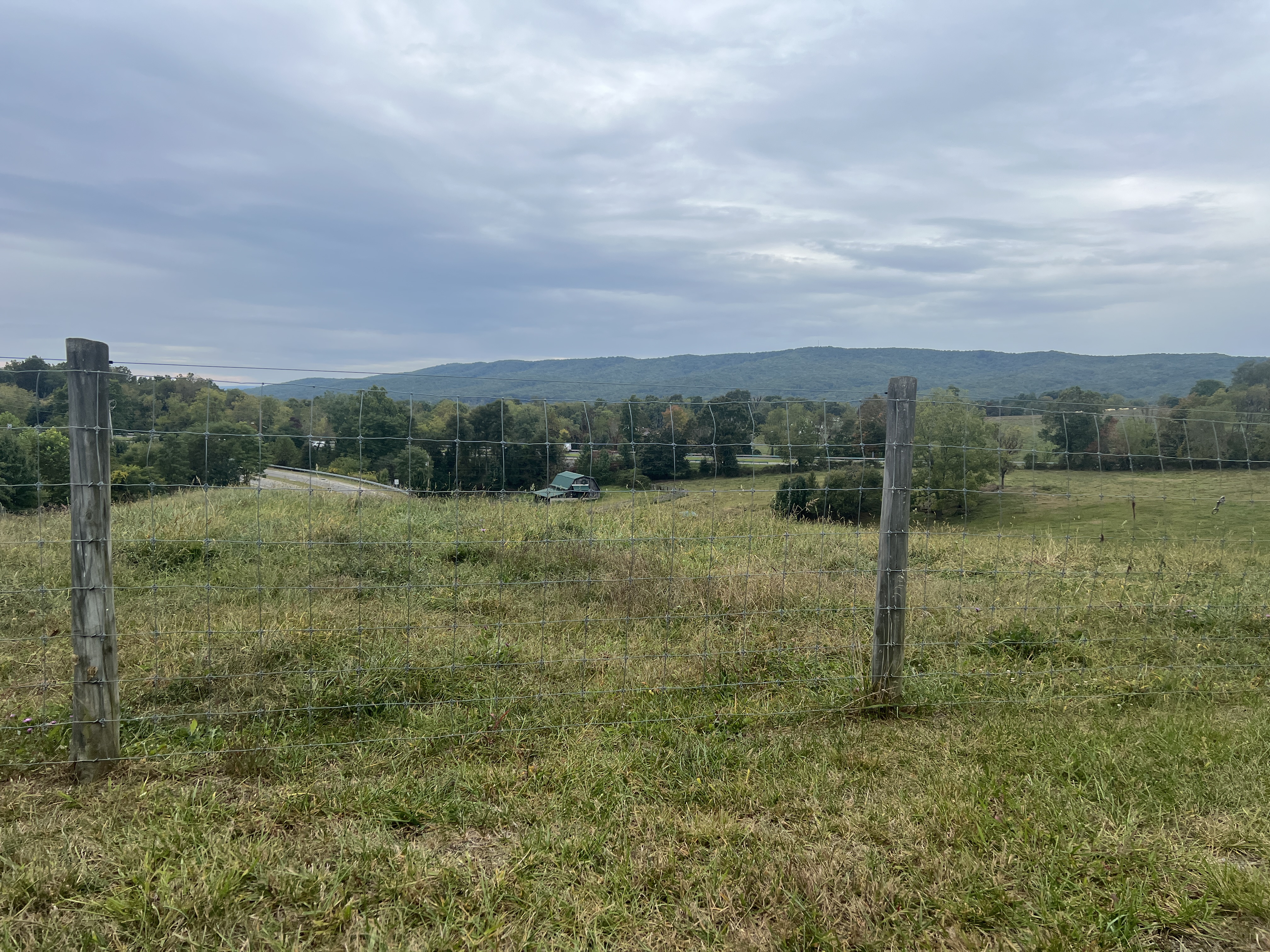
Xi He is an agricultural trade policy analyst at Virginia Tech. She explained the reasons behind the price increases and the decrease in sellable crops hitting the Shenandoah Valley right now. “Potash is a vital fertilizer that comes from Canada and supplies nearly 90% of the US’ agricultural needs. The production costs of tobacco, corn, soybeans, and wheat have been hit the hardest because of this. This, in combination with the retaliatory tariffs from other countries that are causing reduced demand for US products are hitting Virginia soybeans particularly hard right now.” Said He. These uncertainties have caused many Virginia Farmers to have to gamble their livelihoods.
According to the Observatory of Economic Complexity (OEC), Virginia exports have decreased by almost 6%. This is due in part to China’s boycott of Virginia’s agricultural products like soybeans. “The only thing we do better than anybody is corn, wheat, and soybeans. It’s all ready to be shipped, but these tariffs are squeezing farmers for more than they can take. Farm bankruptcies are up and so are suicides.” Said Boyd.
“Before the tariffs, Virginia’s agriculture contributed about $3 billion in 2024 and is heavily dependent on agricultural exports. The higher expenses are a huge strain on the broader supply chain, and this causes ripple effects on rural economies.”
Small farms are especially vulnerable to the effects of these tariffs because they lack the financial safety net that bigger farms have. This means less competition for these bigger farm operations. The same market shocks that are rattling farmers are also disrupting Virginia’s other economic foundation: manufacturing.
Manufacturing contributes over $52.3 billion to Virginia’s economy. According to Bill Donahue, the CEO of Genedge, a company that specializes in enhancing the performance of manufacturing businesses in Virginia, “There are really 4 main challenges that we’re seeing because of the tariffs: [1] increased costs for raw materials like steel and aluminum are hitting automotive and construction industries the hardest right now. [2] The supply chain disruptions are interrupting global trade flows coming through the Port of Virginia. [3] Job cuts are hitting everyone right now, but it’s the mid-sized businesses we work with that are getting hit the hardest. [4] The general uncertainty of the economic landscape is disrupting the futureproofing and planning that we develop with these manufacturers.”
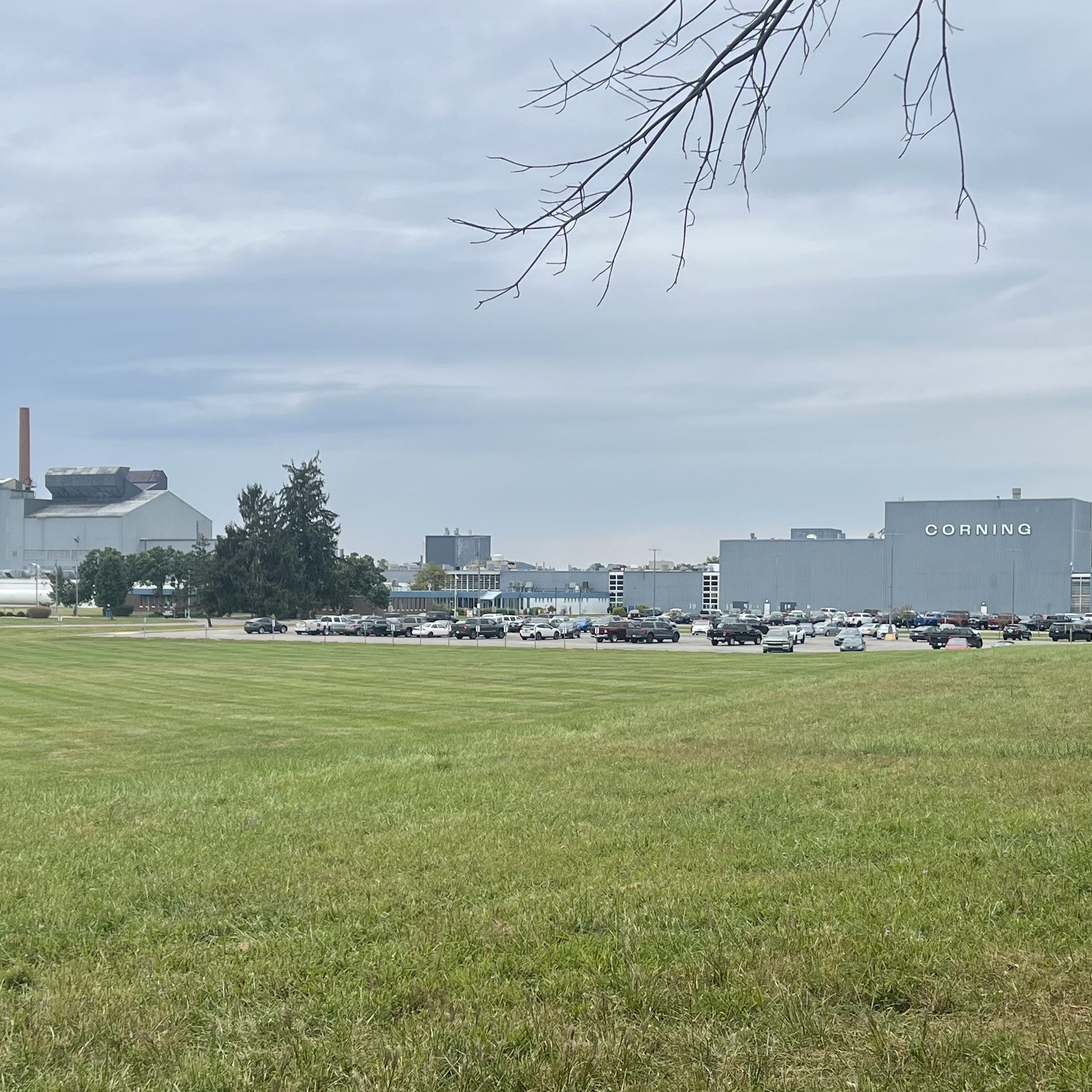
All this disruption has caused forced adaptation within both agriculture and manufacturing in Virginia. Farmers have had to diversify their crop production very quickly in response to the effects of tariffs while manufacturers have had to adjust their supply chains and seek domestic suppliers to stay afloat.
The government has responded to these concerns of farmers by aiding them with the Supplemental Disaster Relief Program (SDRP) and manufacturing has seen more exemptions being put into place to help with their increased costs.
Local economies like that of the New River Valley are deeply connected to global trade policy, yet these effects are hardly felt instantly. It will be years until we can understand the full impact of these policies, and it is the smallest farms; the smallest manufacturers that will get hit first.
“We’re just trying to hold steady until this storm passes.” Boyd said.
 > THE NEWS FEED <