
By: Nyles Stone, Politics Reporter
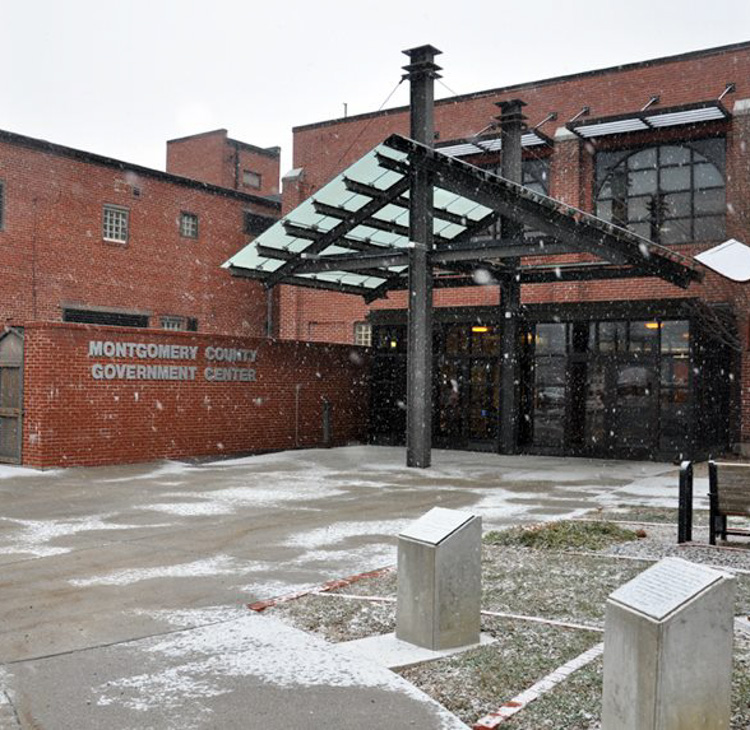
What will the new policy look like: While there is no current update on policies on the MCPS website, multiple sources including Cardinal News and News Messenger have been able to provide information regarding the new policy.
- The new policy will outline hate speech, structuring ways for reporting and investigating instances of hate speech;
- Elementary students could face up to three days of in-school suspension, while middle schoolers and high schoolers could face detention or in-school suspension on the first offense and 10-days of out-of-school suspension on the third offense. This could bring a longer punishment if student has persistent behavioral issues regarding the policy.
- The policy is said to not address staff related issues, having staff related issues investigated by human resources.
How does hate speech impact students and staff: James Hawdon, a sociology professor at Virginia Tech advises that exposure to hate speech can have serious psychological consequences.
- “These include mood swings, fear, feelings of anger, and feelings of loneliness. Long term exposure can lead to lower levels of trust in individuals as well as social institutions. It can also lead to perpetuation of stereotypes and intergenerational transmission of prejudices.” said Professor Hawdon.
- Teachers and staff could not only be affected by being targeted by hate speech, but they can also witness and emotional strain, “if they see children they work with every day and who they have come to really care about use hate speech or be targeted by someone using hate speech, that is likely to be hard to watch.”
But where does it start: For many students, hate speech is something that isn’t fully understood, being something that is repeated after hearing it from their parents, siblings, or peers.
- “Much of this is likely simply children parroting what they hear parents, other adults, or older siblings say. People often hate that which is different and unknown, but we have to learn that many characteristics that are often targeted for hate are “worthy” of being considered different and feared,” Hawdon explained.
- “So why hate some differences and not others? We have to be told that this difference is somehow “so different” that it is deserving of being targeted for hate, and, more often than not, it is the people closest to us who tell us that.”
Challenges: Hate speech falls into a gray area in U.S. law, with schools needing to find a balance enforcing students first amendment rights while also implementing a policy to stop hate speech in classrooms.
- “Speech, even that professing hate, is considered free speech that is protected by the First Amendment unless it meets very specific criteria about the imminent threat of violence,” Said by Hawdon.
- MCPS could follow a similar framework to that of other districts, an example of a policy that tackles harassment and discrimination while protecting first amendment rights is Richmond Public Schools’ Title IX procedures.
Next Steps: As the district plans to move forward with the hate speech policy, we could possibly see staff training to ensure adequate enforcement of the policies. With multiple hate speech polices in place all around Virginia, MCPS possesses the resources to combat hate speech.
 > THE NEWS FEED <