
by: Gracie Gosier, environment reporter.
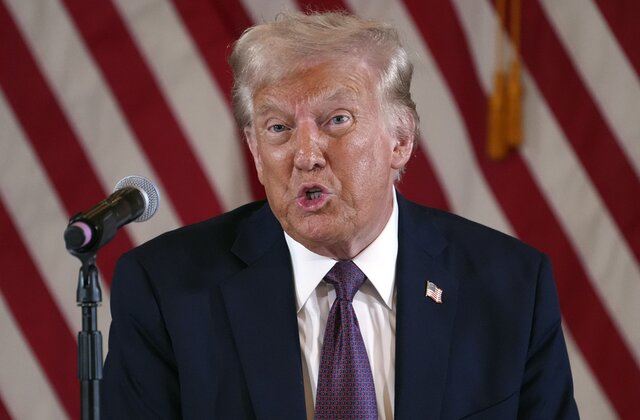
President Donald Trump signed an executive order titled “Putting America First In International Environmental Agreements,” instructing the United States to immediately pull out of the Paris Agreement on January 20, 2025.

The Paris Agreement, first signed in 2015 at the UN Climate Change Conference, is a legally binding treaty where nations all over the world committed to reduce greenhouse gas emissions and maintain the global temperature increase below 1.5°C over pre-industrial levels, in an attempt to control global warming and slow down the effects of climate change.
In September 2016, the United States and China, the world’s two greatest emitters of greenhouse gases, confirmed their combined commitment to the deal, boosting its worldwide momentum. In June 2017, President Donald Trump announced his intention to remove the United States from the Paris Agreement. The formal withdrawal procedure began in November 2019 and was completed on November 4, 2020, making the United States the first country to leave the deal. On January 20, 2021, President Joe Biden issued an executive order to rejoin the Paris Agreement, highlighting the need of combating climate change. The United States formally rejoined on February 19, 2021, reiterating its support for global climate policies.
Why it matters: Despite the fact that 2024 is the world’s hottest year on record, President Trump wants to shift the federal government away from former President Joe Biden’s climate program and toward a wider embrace of fossil fuels. Climate change raises the probability of storms, causes more severe rainfall, and increases the likelihood of intense and devastating wildfires.

- During his first term, Trump fulfilled a campaign promise by withdrawing the United States from the climate accord, joining Iran, Libya, and Yemen as the only countries not part of the agreement.
- When Biden resumed office in early 2021, he quickly rejoined the Paris Agreement after a brief absence of less than four months. Biden’s climate change policy focused on reducing greenhouse gas emissions, and many of the actions taken by the Biden administration reversed or attempted to reverse the first-term policies of Donald Trump.
- In 2022, Biden signed the Inflation Reduction Act . The legislation allocated hundreds of billions of dollars to promote renewable energy, electric vehicles, and greener manufacturing. He also developed comprehensive new regulations to reduce pollution from automobiles and power plants during his term.
- Environmental organizations such as the Sierra Club, Sunrise Movement, and Earthjustice, say that President Biden performed more environmental policy than any other president in history.
The big picture: Trump’s announcement to withdraw again from the Paris Agreement marks a return to isolationism at a moment when collective global action is most needed. Exiting the deal twice is enough to damage U.S. credibility internationally and sabotage global climate diplomacy. It would also serve as a risky model for other countries to ignore their climate obligations, which could have a cascading effect and undo the progress that has been made collectively.
- Countries must submit emission reduction targets and give quarterly progress updates under the terms of the Paris Agreement. Before leaving office, Biden declared a new US goal: to reduce greenhouse gas emissions by more than 60% from peak levels by 2035, which would likely require a quick transition away from fossil fuels.
- During Trump’s inaugural address on January 20, 2025, he proclaimed a “national energy emergency” and urged oil companies to “drill baby, drill,” that would allow him to reverse many of Biden’s environmental regulations and open up additional places for oil and gas production on protected lands.
Zoom in: Environmental activist groups such as the POWHR Coalition, have taken the next step into fighting against the withdrawal with their own plans. Their current campaign is towards defunding the new Mountain Valley Pipeline (MVP).
- The MVP has been associated with several negative environmental and social impacts such as deforestation, water quality degradation, and lower property value for surrounding areas of the pipeline.
- POWHR goes after JPMorgan Chase, Bank of America, MUFG, TD Bank, PNC, and Wells Fargo, the top investors of the pipeline.
Zoom out: U.S Senator Tim Kaine (D-VA), as well as many other experts and officials, have shown their support for the Paris Climate Agreement.
- “From sea level rise in Hampton Roads and on the Eastern Shore to hurricanes in Southwest Virginia, climate change is affecting us all and threatening the safety of our communities,” said Kaine. “I’m disappointed, but not surprised, by President Trump’s short-sighted withdrawal from the Paris Accords, and that’s why I’m joining my colleagues in introducing this resolution to express support for the goals of the climate agreement. I remain committed to building on our progress in recent years to reduce greenhouse gas emissions, improve resiliency, accelerate clean energy production, and keep Americans safe.”
- The America Is All In coalition, which formed following the United States’ initial departure from the Paris Agreement, continues to motivate climate action. These initiatives have increased in power, with bipartisan leadership from the U.S. Climate Alliance, a coalition of 24 states (including Virginia) and territories that represents more than half of the US economy and committed to fulfilling the Paris Agreement’s targets.
What we’re watching: The pullout was a component of a larger plan to decrease funding for renewable energy sources and increase support for fossil fuels. The administration is giving traditional energy sectors precedence over renewable projects and underlying the significance of energy independence.
With the globe experiencing more severe climate consequences, the U.S. decision has prompted other big polluters, such as China, to reevaluate their own pledges to the Paris Agreement. Despite the U.S. position, many nations are moving forward with their climate initiatives.
Relying on fossil fuels might be detrimental to the nation’s long-term interests. The energy transition has great promise for job creation, economic vibrancy, and global competitiveness, as well as for the environmental health of the United States and the world. The U.S may find it more difficult to control those developing sectors in the future if it continues to concentrate on fossil fuels.
 > THE NEWS FEED <