The historic Grandin Theatre in Roanoke Virginia celebrates Women’s History Month by highlighting their contributions to film throughout history. Ian Fortier, the director of the Grandin, shares how they choose the spotlight films and more.
The Peer Assistance for Learning or PAL program at Virginia Tech is a peer lead initiative to spread mental health awareness and education on campus. The program is a unique way for students to learn about resources available to them and how they can best utilize them. Executive members Seneca McCaw and Madisyn Paris of the PAL program speak to the mission, training and initiatives behind the PAL program.
In the midst of a culture dominated by animal-based protein the Alternative Protein Project at Virginia Tech is actively creating conversations around plant-based foods, fermented foods and cultivated meat.
In January of this year, the FDA significantly reconstructed the food pyramid for the first time in decades. The federal reset urged Americans to eat “real foods” while also heavily pushing protein and full-fat dairy consumption. The nationwide chapter of The Alternative Protein Club is here to tell us that there are better and more sustainable solutions to America’s quest for protein.
The nationwide network of Alternative Protein Projects operates under “The Good Food Inc” which is an international nonprofit think tank. The organization is working to advance education around alternative proteins that can help countries “meet climate, global health, food security and biodiversity goals,” according to The Good Food Inc. Each of the 94 chapters of the Alternative Protein Project provide education and opportunities to a smaller audience on their college campuses.
According to Evelyn Nelson-Pennebaker, the president of Virginia Tech’s Alt Protein Project chapter, “One thing GFI has always been working towards is showing the difference between various types of food processing.” The FDA’s reconstruction directly targets all processed foods, which she says “impacts plant-based meat and how people feel and think about it.” Marty Makary, the commissioner for the FDA, said that the new administration and FDA together “want to call out ultra-processed foods.” However, “plant-based meats when used in place of meat, as part of an otherwise healthy diet, can actually reduce the risk of heart disease and many other common illnesses that most get from overconsumption of red meat,” says Nelson-Pennebaker. Nelson-Pennebaker explained that this is why it is critical to discuss the distinction between various forms of processing amidst the new food pyramid and its narrative that targets all processed foods.
Many Americans for a long time have thought that animal product based diets are the only solution to protein deficiencies. For example, Nelson-Pennebaker pointed out that the new food pyramid emphasizes full-fat dairy milk consumption while “water is most other countries’ choice for their food guidelines.” When we think of protein in America, we often visualize steak, eggs or yogurt. Because of the United States history with animal-based protein there have been rising concerns related to both how this consumption affects our health and environment. According to The Sustainable Nutrition Initiative “By switching to sustainable sugar production, renewable electricity, and innovative production systems, protein production via precision fermentation could have lower environmental effects than animal-derived proteins.” Though as stated by the SNI, alternative protein is a new niche topic of research and conversation. To get the word out there, the GFI and Alternative Protein Project’s mission is to advance education so that Americans have a broader understanding of what healthy and sustainable protein consumption can look like as well as how it benefits our environment.
Notably, because alternative protein is an emerging concept, one of GFI’s major objectives inside of their mission is to stimulate open-access research. That is their goal is not to blindly lead Americans into a new protein haze without scientific backup. With a greater global audience, GFI is able to secure funding and recognition to further alternative protein research and academic collaborations and expand what scientists know about the pros and cons of this food. Katy Schwartz, the outreach and social media director of Virginia Tech’s Alt Protein chapter, points out that it’s also important to “separate the hard line of veganism from our diets.” She says “It can be intimidating for people to completely cut out meat and other dietary products.” Unlike the FDA’s new strict food guidelines, GFI and the Alternative Protein Project are not drawing a line in the sand between what is considered good and bad protein. Conversely, it is clear that their goal is to expand the conversation surrounding alternative proteins in an effort to learn more through discussion and research.
Each semester, the Virginia Tech Alternative Protein Project holds events and meetings to both engage and educate students. Some of these previously included sensory food evaluation lab tours, live discussions with doctors and experts in the field, as well as taste testing vegetarian and vegan protein-packed foods. With each activity, the students and student leaders spread the word about alternative proteins. The organization is also a welcoming space for students who are interested or curious about alternative protein to meet like minded people and learn more together. Each student lead chapter is issued 1:1 guidance from mentors involved in the alternative protein innovation and research process.
As Katy Schwartz says, “Alternative proteins don’t have to be this gross and foreign concept.” “They can honestly be really delicious and provide a lot of cool opportunities to see the behind the scenes of some really cool institutions that we have on our campus.”
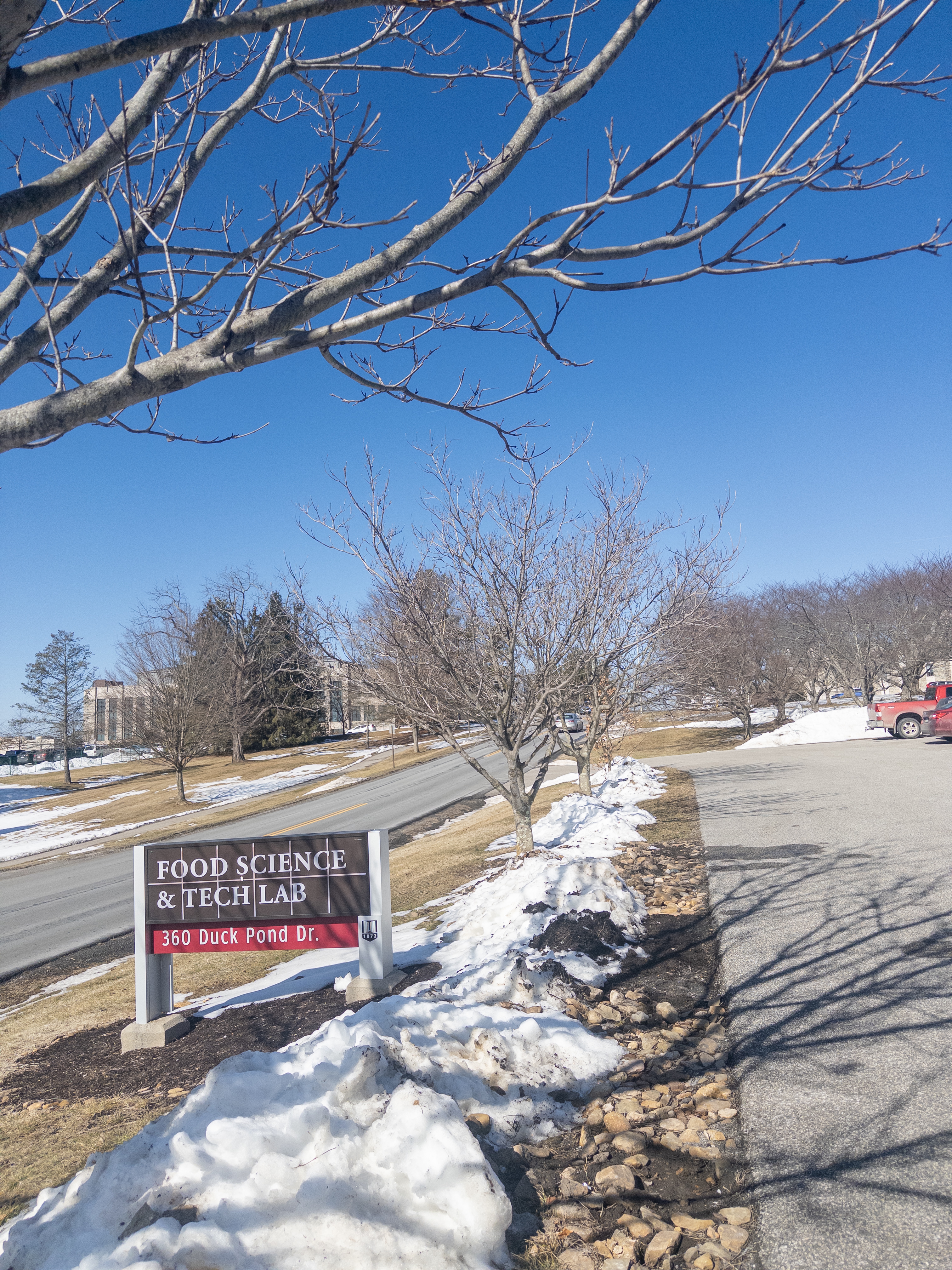
Much of The Alternative Protein Project’s work is completed in the Food Science & Technology Lab on campus.
Thursday, Feb. 12, 2026. Blacksburg, Va.
Photo by Allera Bee
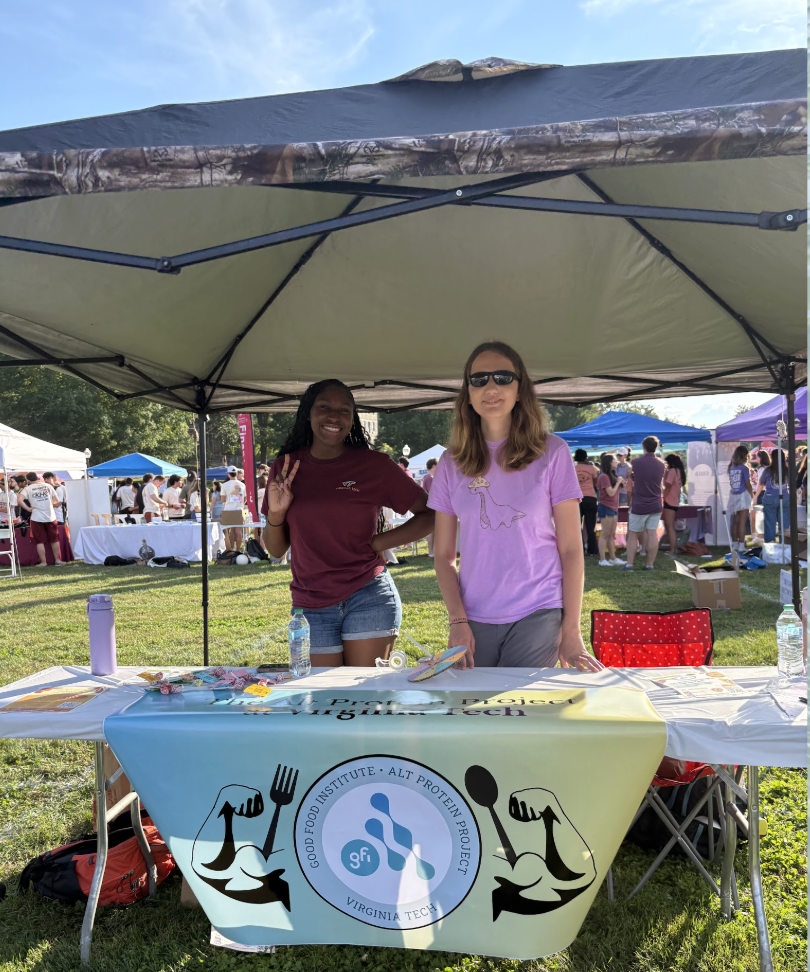
Executive members of The Alternative Protein Project Participate in Gobbler Fest.

 > THE NEWS FEED <