
By Isabella Ubillus, crime, safety, and justice reporter
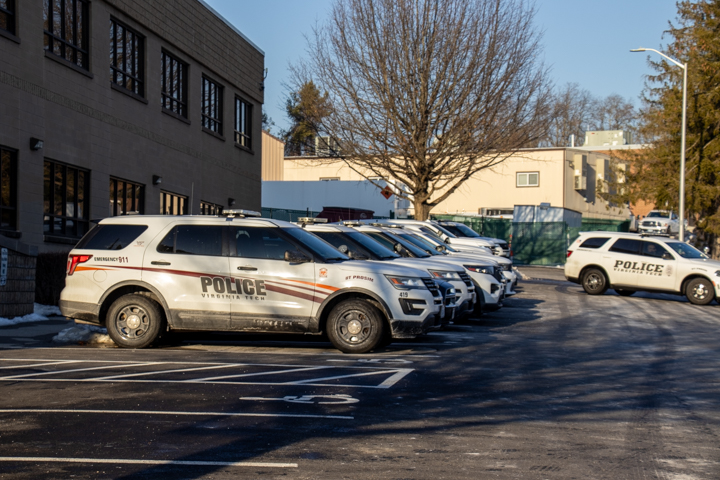
On any given night in Blacksburg, encountering an impaired driver remains higher than people might think. The issue continues to challenge police and public health officials alike.
Virginia Tech Police made 53 DUI related arrests in 2025, an increase from 47 in 2024. While the statistics may tend to fluctuate, law enforcement says that the risk still remains.
“Really any night that the bar is open, the possibility of arresting a DUI driver is very high because of the environment,” Lt. David Tribble of Virginia Tech Police said.
In the New River Valley, and Blacksburg specifically, impaired driving is not only a criminal offense, but a broader public safety and community issue. Local law enforcement, behavioral health officials and researchers all say that the American drinking culture, the emerging use of cannabis and a shift in social perception continue to shape the DUI risks in college towns and in the rural region of the New River Valley.
Many of the recent arrests made are due to the growing officer experience, according to Tribble.
“Some of our officers are getting into their years of experience and they’re able to see the signs of impairment better…with more experience, they’ve been able to make more arrests,” Tribble said.
For many college aged students, the signs of impairment may not be as obvious.
“When they come to college, they experiment a lot and they don’t have a lot of experience with alcohol, so they end up drinking more than they should and they don’t really have the foresight to know that it’s unsafe,” Tribble said. “They think that they’re fine, kind of that mentality of being young and invincible.”

Early on in his career, Tribble worked fatal crash reconstruction with his unit, many of which were fatal crashes involving alcohol.
“The possibility of altering your life permanently or somebody else’s life…taking that risk of driving after you’ve consumed alcohol is not worth that possibility,” he said.
But the consequences reach beyond the individual driver.
Mike Wade, program coordinator of the New River Valley Community Services Community Wellness and Outreach, says the issue is a shared responsibility.
“It absolutely is a community issue,” Wade said. “Law enforcement comes into play after someone participates in that behavior. From a community standpoint, we have to reiterate the point that this is not socially acceptable.”
New River Valley Community Services is the region’s primary provider of behavioral health services and serves around 12,000 residents annually across Montgomery, Floyd, Giles and Pulaski counties along with the city of Radford. According to Wade, DUI related crashes can severely impact communities beyond the legal proceedings.
“That’s a life-changing event for a family to go through, and that adds a layer on top of normal grief that folks might feel,” Wade said. “It impacts the entire community when we lose someone to a senseless mistake like that. We all suffer for that in some way, whether we know the person directly or not.”
Simultaneously, substance use trends are shifting. Cannabis use is becoming more common, particularly with conversations about the drug becoming legalized for recreational use in Virginia.
“I think society has beaten the drum pretty well when it comes to not drinking and driving,” Wade said. “We’ve already seen some early data that indicates people who regularly use THC products tend to get behind the wheel more than they should. If you’re going to use this stuff, do it wisely and be responsible.”
Research done by the Virginia Tech Transportation Institute (VTTI) supports those concerns. According to Naomi Dunn, a research scientist at VTTI, a third of fatalities on roadways are due to impaired driving — around 13,000 deaths every year.
Dunn’s research focuses on how to refine in-vehicle technologies to help prevent impaired driving. In recent studies, participants were dosed with controlled amounts of alcohol looking at various driving performance measures.
“Alcohol is very much a linear relationship between the amount of alcohol you consume and the impact that it has on your performance,” Dunn said. “The more you consume, the worse your driving gets. Without a doubt.”
Impairment due to cannabis presents its own challenges. Different methods of consumption can affect users in different ways.
“We see that people have a tendency to react slower when they’ve consumed cannabis,” Dunn said. “They brake later and harder, because they’re not focused on what they’re supposed to be doing.”
She also warned against the rising issue of polydrug use, the mixing of different substances. Citing that smaller amounts of each substance has a larger impact than on their own.
For many students in a rural region like the New River Valley, isolation and social acceptance play a role in these decisions. Many high school students in the area cite the fact that there are not enough extracurricular activities, leaving them to drink with their friends, according to Wade.
“There’s a low perception of harm from a society standpoint,” he said. “We have seen the glorification of marijuana, guys like Snoop Dogg openly promoting the use of those kinds of products. Alcohol is more socially accepted than it was 20 years ago.”
Different prevention strategies have been proven effective, education and proper messaging being the most critical, according to Dunn. For first time offenders, putting them in treatment programs and installing interlock devices can be more effective than license suspension.
“You can teach people a lesson without actually destroying their life, if that makes sense,” she said. “For younger people or for first-time offenders, it’s better to try and delay those harsh, punitive punishment options and try a treatment approach first.”
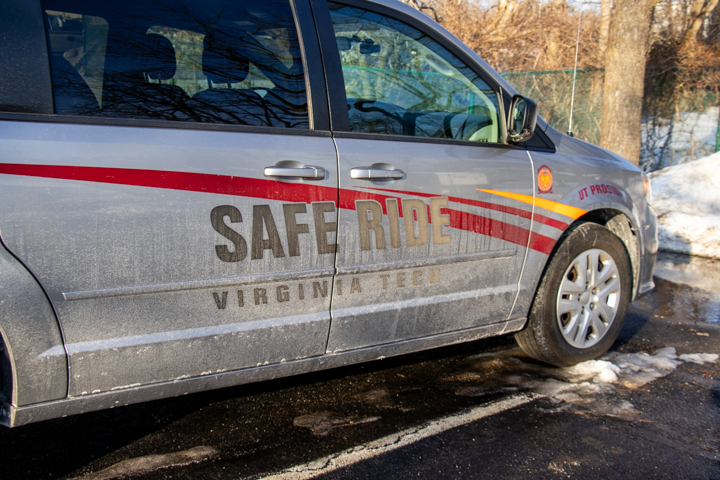
In Blacksburg, transportation alternatives such as Safe Ride, rideshare services and public transit are available.
“I don’t think it comes down to shame and stigma,” Wade said. “I think you need to be clear about the potential risks and the harms that people could face for themselves or for others that might be involved. And really just ask them to make responsible, educated decisions that aren’t just about them, but the people around them.”
 > THE NEWS FEED <