
By Deric Q. Allen, Politics & Government reporter
(Roanoke, VA) — It’s been half a century since the bulldozing of historically black communities, Gainsborough and Northeast, but the city of Roanoke is moving towards an apology to those affected and their descendants.
Beginning in the 1930s, the federal government began creating color-coded maps that redlined Black and immigrant neighborhoods as risks for loans and housing assistance. These maps gauged roughly 250 neighborhoods across the various cities in Virginia including Norfolk, Richmond, and Roanoke.
Twenty years later in the 1950s, the Roanoke City Council labeled the Northeast area as a ghetto and proceeded to level over 1,000 homes, flattened roughly 200 homes, eviscerated a dozen churches, and uprooted nearly 1,000 graves. These efforts eventually made way for the construction of Interstate 581, the civic center, and the post office.
Late last year, the city’s Equity and Empowerment Advisory Board, chaired by Angela Penn, drafted an apology for the urban renewal efforts of the past. After previous stalled efforts, the apology could open the door for a reparations fund for families that suffered financial losses and opportunities for generational wealth.
After a meeting with council members on Jan. 8, Mayor Joe Cobb announced in an email that he plans to work with the council in the following months to review the draft and consider additional advice.
“Shortly after I came on to city council – I was selected on to city council in 2018, we began conversations with a group of African American elders and African American young adults to talk about an apology and reparative actions related to urban renewal which started in the mid to late 50s and then didn’t really finish until the 80s.”
“What were some of the key points that needed to be outlined in that apology and then what are some reparative actions because we all agree that an apology without action that seeks to repair the harm done is really just words on a page.”
If Roanoke’s draft apology is approved, not only would there be an additional tax on Berglund center tickets to generate revenue for the reparations fund, but Roanoke would join other cities that have formally apologized for their participation in urban renewal that resulted in the destruction of thriving Black communities. These cities include the Carolina’s Charlottesville, Asheville, and Spartanburg.
In an online interview Wednesday, Mayor Cobb went on to provide some background information surrounding the council’s decision to move forward with their reparations plan, the potential barriers it may face, and how the Roanoke community could benefit from such a plan.
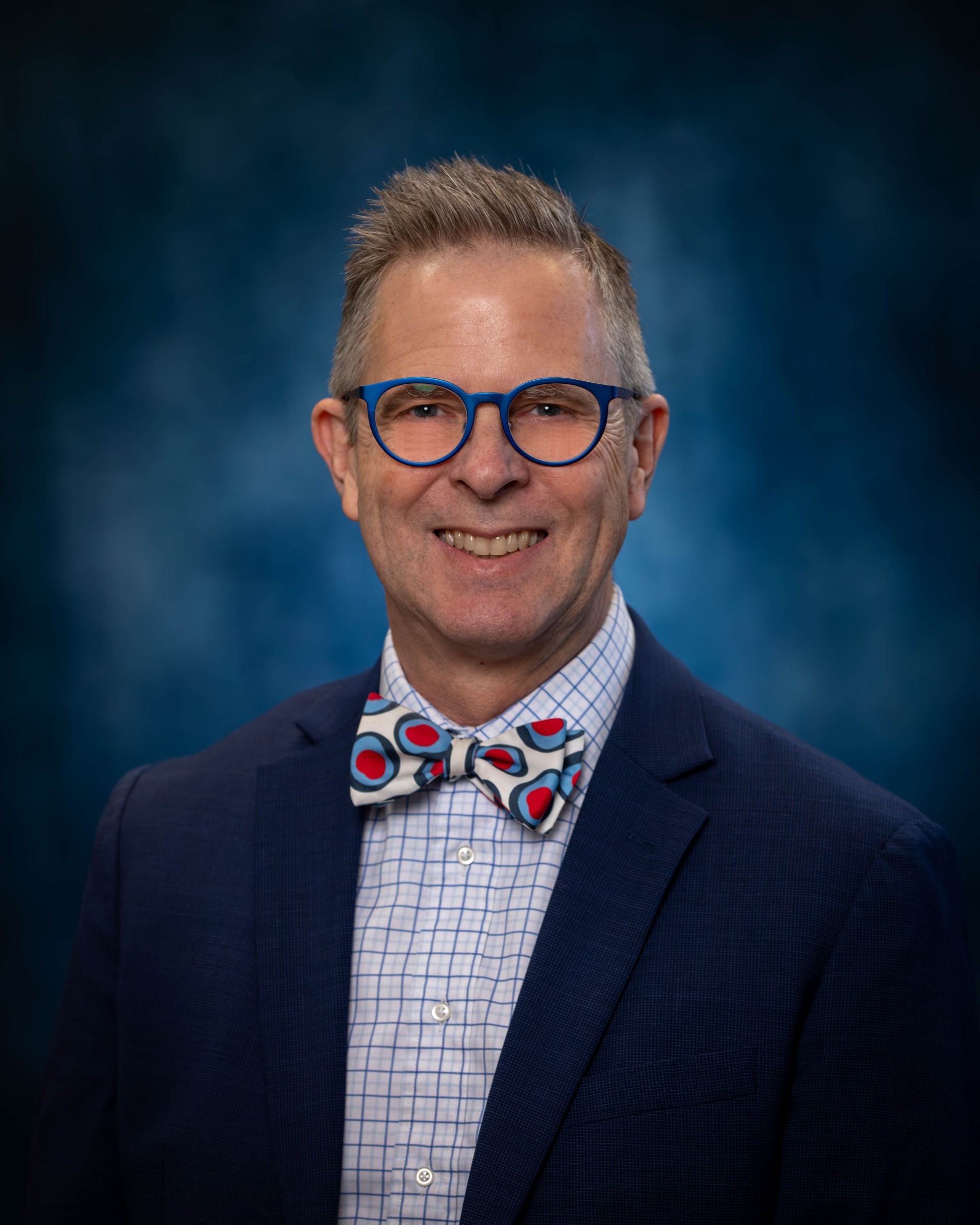
Comments were slightly edited for length and clarity
Does the Equity and Primary Advisory Board have a concrete plan when it comes to distributing financial reparations? For example, the Roanoke Rambler wrote an outline with recommendations such as a tax on Berglund Center tickets, developing Henry Street, or history markers.
So the city in Virginia, because we’re a Dillon rule state, we cannot as a local government set up a reparation fund and award money to individuals. We have to have General Assembly approval to do that. What we can do is make investments, whether they’re capital investments or other investments that can improve the quality of life for people who either lived in and had to relocate in the urban renewal area. So it could be something like creating a program where people who were forced to move have greater access to capital or equity to purchase their own home for first time home buyers or for business owners to be able to start a business or for faith communities to be able to enhance their facility in some way. We’ve already done a lot of work in terms of historical markers in renaming things affected by urban renewal. A lot of that’s taken place in Gainsborough, a lot of it downtown. The Berglund Center is actually renamed a lot of its rooms after African American elders who were alive and still are but lived through that time of urban renewal. So one answer is yes, there are numerous potential action items we could take on, but we have to make sure that we do so in such a way that we have the authority as a local government.
For those who may be seeing this as a subtle resurfacing of DEI, what do you have to say to those who are against these efforts?
Because of this current presidential administration’s tirade and work against practices that reflect diversity, equity and inclusion, we’ve had to kind of scale back the priority outwardly of the equity and Empowerment Advisory Board. But as I remind people in Roanoke, DEI is in our DNA. If you just look at the history of Roanoke, we’re a place for immigrants, refugees, we’re kind of this multicultural melting pot of people and cultures and experiences, and that’s always been part of who we are and it’s just increasing and growing. So even though we may not outwardly always talk about it, it’s who we are and it’s how we go about our daily work and so it’s important for me and for us to reiterate that. Just because you did one thing or two things or three things, it doesn’t fully replace the centuries of harm that has come upon different people and different cultures.
Within five years, what do you hope to see from either Roanoke or similar cities such as Charlottesville, Asheville, and Spartanburg who are doing the same thing you’re doing?
Well I always hope that we can, when we take steps like this, that we can see tangible and sometimes intangible signs of healing in a community. I think if we never do the healing work, community healing work, the tendency is just to put band aids over very deep wounds. We have to embody this desire to be dedicated and committed to healing work as a community, and that’s not typically something that a local government is an expert in. So that’s where we have to really draw on partners in the community that understand the nature of healing work and why it’s so critical to making us stronger and healthier as a community.
 > THE NEWS FEED <