
By Savannah May, Politics & Government reporter
Local officials say the WHO withdrawal is unlikely to cause changes for Blacksburg’s flu season. Here’s why.
On Jan. 22, 2026, the United States withdrew from the World Health Organization (WHO) through an executive order signed by President Donald Trump. The WHO is a United Nations global health agency with 194 member states and includes public health experts such as doctors, epidemiologists, and scientists. The organization operates in more than 100 countries, with efforts to “respond to health emergencies, promote well-being, prevent disease and expand access to health care,” according to its website.
Since the U.S. joined the WHO back in 1948 as one of the organization’s initial members, the country has played a crucial role in supporting the WHO as the largest single donor and funder. By contributing $1.284 billion during the 2022–2023 biennium, which is 12-15 percent of the organization’s total funding, the U.S. has significantly helped provide assistance to essential health programs in identifying and responding to emergencies, preventing threat of disease spreading across borders and advancing systematic health systems by focusing on more vulnerable populations around the world.
In March 2020, the WHO declared Covid-19 as a global pandemic. This meant working across borders from the initial report of the virus. In crises such as the Covid-19 outbreak, the WHO plays an important role in connecting experts, initiating response protocols and providing guidance on public health concerns across the organization.
On January 10, 2020, WHO provided a package of technical guidance with advice for regional emergency directors to share with WHO representatives in countries on how to “detect, test and manage potential cases.”
The U.S. Centers for Disease Control and Prevention (CDC) is a federal public health institute. It provides resources and science-based guidance to federal, state and local health agencies. During the pandemic, the CDC activated its Emergency Operations Center (EOC) to coordinate response efforts nationally and share information with international partners, including the WHO.
The New River Health District is an example of a jurisdictional public health department that relies on information exchange from the CDC to guide decisions and stay informed about national and international developments.
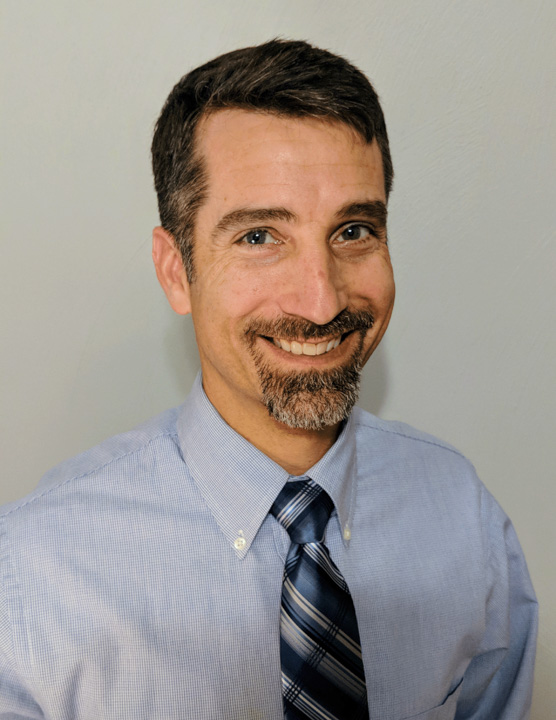
Sr. Epidemiologist Jason Deese from the New River Health District addresses what this might mean for the community and for Virginia Health operations.
His comments have been lightly edited for length and clarity.
How does disease surveillance typically work at the local level?
Our surveillance structure starts with a doctor or other provider who has a high suspicion of something on the [reportable disease] list. They can lab-confirm it or report it if they strongly suspect it. Then we do an investigation.
Here’s an example. Say someone with whooping cough gets diagnosed. The provider reports it to us, we in turn find the patient to identify close contacts and bounce it against the CDC’s case definition, a set criteria.
The verified case is then sent to the Virginia Department of Health to look over the work, who will pass it along to the CDC. The CDC collects and verifies this information, which becomes part of the surveillance record.
When would the health district get directly involved with flu cases?
If there’s a novel strain or an outbreak in an institution. If Virginia Tech has a huge number of flu cases and we can relate it to a specific dorm, then we might call it an outbreak of flu, a condition above what’s expected. Our people at the state will evaluate it and offer up resources and if it turns out to be some type of strange flu, then the CDC will offer up resources as well.
Does being in a college town change how you approach public health?
Yes, a lot of communities around the nation are hosting universities… we all have to be conscious of the fact that you’ve got international students and students that will go to another continent for their field work. Sometimes they come back with a disease that’s on this list.
I’ve seen malaria, dengue fever or typhoid, and that kind of just comes with the territory, because people travel, then they can come back with those things.
From your perspective, will the U.S. withdrawal from the WHO change how you do your job locally?
From the Virginia perspective, I personally don’t see my daily job or ability to respond to anything that’s on this list as impacted at this moment.
Disease surveillance starts with a patient. Someone who’s not feeling well will generally go in to see a provider, and if they — the provider — sees or suspects someone of having any of these things (reportable disease), it gets reported to the local health department, and we address them according to CDC protocols. So, I don’t really see it changing at the local level at all.
Some people worry about delays in global communication. Is that a concern locally?
Domestically, the ports of entry with CDC are doing targeted health screenings and reporting those rapidly to state and local jurisdictions. That side of things isn’t going to change. Most of these illnesses have come from overseas, individual cases, and you’re not going to catch every single exposure before they board a plane.
What we’re most concerned about is detecting it rapidly when they arrive here. We have a mantra — it’s called person, place, and time — it begins with an individual. If you ask the right questions in the right way, you get the right answers.
What do you want people to understand about public health locally?
Virginia has a robust public health system, from the local level up, with really good professionals that work in the Virginia Department of Health and strong collaboration with institutions like Virginia Tech.
One Health – connecting human, animal, and environmental health – is a big focus, along with encouraging healthier lifestyles through nutrition, physical activity, and reducing risks like tobacco use and diabetes.
Who this will affect
Although local experts don’t foresee any changes in public health concerns at the state and local levels, the U.S partnership with the WHO was extremely impactful for low- and middle-income countries. These essential health programs rely heavily on global health financing, which allows for improvements that optimize resources, address health disparities and improve equitable access to care.
Even though local communities like Blacksburg are not affected, it’s crucial to consider the impact on the communities that will be affected without the funding previously provided by the United States, and what this could mean for international access to critical healthcare services.
 > THE NEWS FEED <