
By Elizabeth Ann Miller, health and wellness reporter
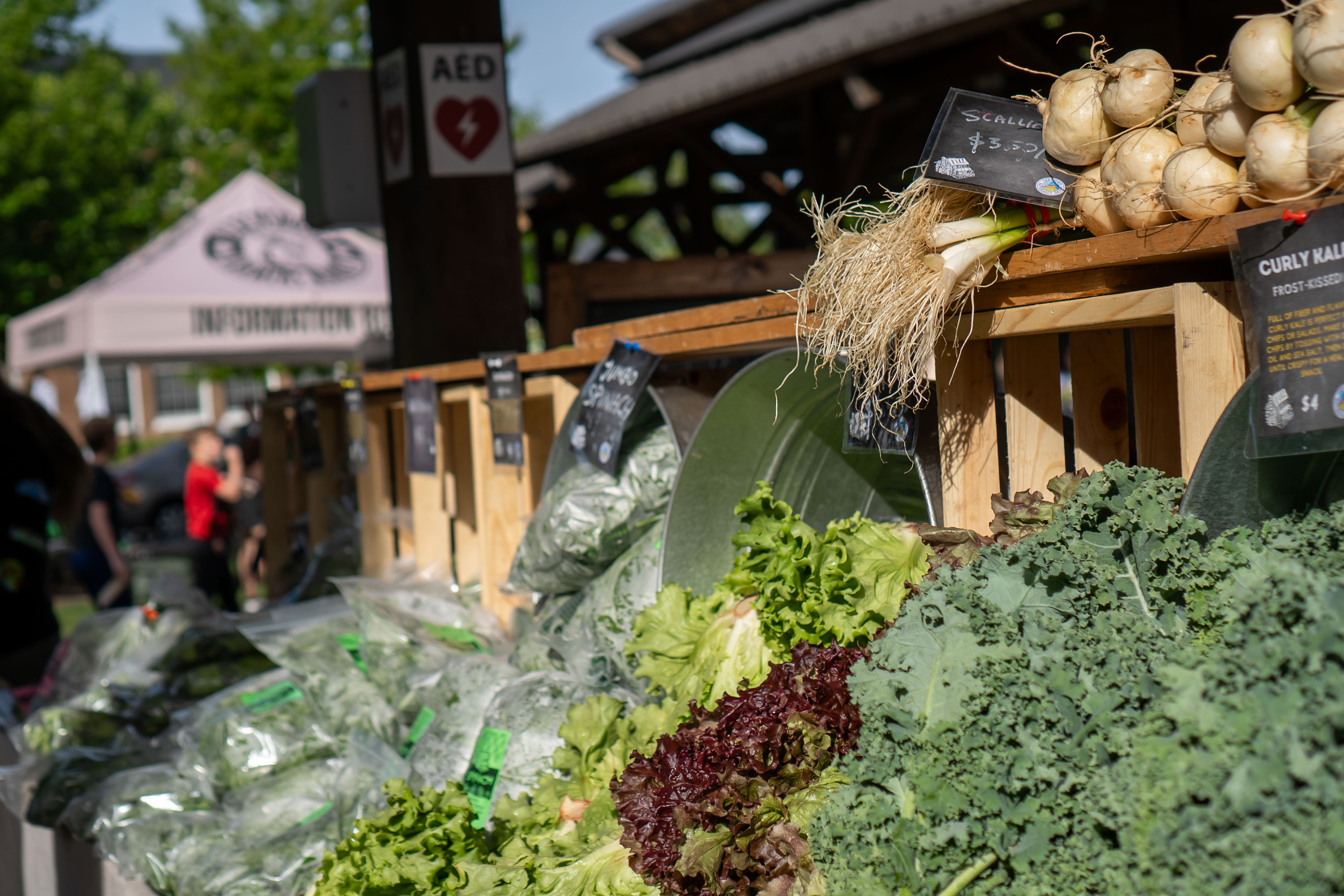
Produce grown by Crooked Porch Farm, Blacksburg Farmers Market. Photo by Elizabeth Ann Miller.
In a region where fresh produce can be scarce and healthcare access challeng, a new initiative aims to lighten both burdens. Southwest Virginia Prescription Assistance (SWPRx) has been awarded $479,000 from the U.S. Department of Agriculture (USDA), for a collaborative program that combines healthcare with nutrition.
The grant, part of the USDA’s Gus Schumacher Nutrition Incentive Program (GusNIP), supports efforts to improve food security in rural and underserved areas. It will fund a three-year pilot designed to provide patients with fresh produce prescriptions, nutrition education, and access to local food resources. The goal remains to improve health outcomes across the region.
“This grant allows us to scale that impact and reach people who need it most,” said Maureen McNamara Best, project director at LEAP.
Due to its rural nature, high rates of diet-related illnesses have long plagued Southwest Virginia. Patients enrolled in Medicaid, especially those with conditions like hypertension and diabetes, often face difficulty accessing nutritious food. Through SWPRx, participating patients will be given weekly produce prescriptions, redeemable at farmers markets, food pantries, and local outlets affiliated with Virginia Fresh Match.
The target population includes residents in Roanoke City, Franklin County, Floyd County, and Radford City. Over the next three years, more than 300 participants will undergo a six-month program that includes peer support, structured learning, and nutritional interventions designed to foster sustainable health behavior changes.
Southwest Virginia Produce Rx is a partnership effort, joining an array of community-based organizations. The Local Environmental Agriculture Project (LEAP) is a nonprofit in Roanoke that holds the USDA grant and manages the program’s logistics. Carilion Clinic provides healthcare services and referrals. Feeding Southwest Virginia, Virginia Fresh Match, and Radford University take on distribution, retail access, and data evaluation. With help from each collaborator, LEAP integrates farmers markets, food trucks, community stores, and a kitchen.
“SWPRx builds on years of experience with smaller scale produce prescription programs,” Best said.
The USDA emphasized that these awards are part of a broader national strategy to reduce health disparities and promote food access in underserved communities.
“Nutrition incentive projects like this are key to empowering families to make healthier food choices,” said Stacy Dean, deputy undersecretary for food, nutrition and consumer services at the USDA. “They also strengthen local food systems by connecting farmers with the people who need their products most. We are excited to expand the success of LEAP’s Fresh Foods Rx pilot program to other communities in the region. The program not only increases access to fresh produce but also promotes long-term health by fostering behavioral change through peer support and education.”
Virginia Fresh Match is a critical player in this system. It is a statewide network that matches SNAP benefits for produce purchases. Local outlets serve as redemption sites for the prescriptions distributed through SWPRx. Virginia Fresh Match allows participants to maintain access to affordable produce even after their six-month program ends.
“We want people to walk away not just with a bag of vegetables, but the knowledge and confidence to integrate them into their lives.” – Maureen McNamara Best
The intention is to help bridge the affordability gap, especially for patients just beginning to make dietary changes.
As expected, this large initiative brings challenges. Transportation barriers, lack of nutrition education, and limited grocery store access are all significant hurdles for rural communities in the region. Many residents must travel long distances to access quality food options. Others simply don’t have the tools or time to learn new recipes or dietary habits.
“Working with multiple outlets and partners can involve a lot of moving parts,” Best said. “With strong work plans and consistent feedback, the benefits far outweigh the logistical challenges.”
Community retailers and farmers markets can ease these challenges by serving as both produce prescription and interactive hubs. They create space for conversation, trust, and connection. That’s where lasting health changes can really take root.

Blacksburg Farmers Market information and SNAP distribution tent. Photo by Elizabeth Ann Miller.
As an agricultural pillar in the New River Valley, the Blacksburg Farmers Market offers more than just seasonal produce. The market fosters a culture of community wellness and sustainability. Located in the heart of downtown Blacksburg, it draws a mix of residents, local families, and Virginia Tech students seeking fresh, local options. The market has long participated in the SNAP program and continues to support food access and local agriculture. Farmers here aren’t just vendors. Farmers can be educators, friends, and advocates for health through food.
Theresa Allen, owner of Peace and Harmony Farms and a regular vendor at the market, sees the SWPRx initiative as a great addition to the values already rooted in her farm to market practice.
“I believe deeply in eating off the land and using what we grow as medicine,” Allen said.
Allen has watched firsthand how a vibrant farmers market can shift the way a community relates to and consumes food.
“Markets like ours aren’t just about shopping. I love the way they force people to slow down, ask questions, and form relationships,” she added. “That’s what makes programs like SWPRx so meaningful. They connect it all between nourishment, healing, and community.”
For students and low-income families navigating food insecurity, these markets can become weekly support. With future potential of serving as redemption sites for produce prescriptions, the Blacksburg Farmers Market and its farmers can also help remove barriers to fresh food while continuing to foster a welcoming culture.
“This initiative reflects the very fact that food can heal you. When you grow it with care and people consume it with love, it becomes a powerful tool for being your best.” – Theresa Allen
The goal of SWPRx is to build a replicable model that integrates food systems into public health infrastructure. The program will track participant outcomes such as improved fruit and vegetable consumption, better management of chronic diseases, and healthcare utilization changes. Researchers at Radford University will analyze the data to help refine and adapt the program over time. As it is in the first year of implementation, there is no impact data. The program cohort launched this April and is constantly tracking and evaluating.
While the initiative is grounded in Southwest Virginia, its implications are broader than the New River Valley. The USDA grant is part of a national movement to recognize and invest in food as health. According to the CDC, only 10% of American adults consume enough fruits and vegetables daily. This trend not only contributes to widespread chronic illness but increasing healthcare costs as well.
Programs like SWPRx aim to disrupt that cycle by focusing on prevention through access and education. Instead of reacting after the fact to illness with medication alone, they invest in proactive lifestyle changes that can lead to long-term, sustainable improvements.
“When someone learns how to cook with fresh ingredients, understands their value, and sees their own health change, it’s transformative,” said Best. “We’ve seen people start off hesitant and finish empowered.”
The SWPRx team also emphasizes the importance of connecting participants to broader community support systems.
“We don’t want this to be a one-time intervention,” she added. “We’re building bridges to local resources that can support people long after the program ends.”
The expansion of SWPRx comes at a time when rural healthcare systems are under increasing pressure. Southwest Virginia, like many underserved regions, faces rising rates of diet-related disease and limited access to specialized care.
This grant may not solve every challenge, but it does show how partnerships between healthcare providers and food systems can offer meaningful, scalable solutions that improve access to food and long-term health outcomes. SWPRX shows the power of cross-sector collaboration.
Over the next three years, public health experts, community leaders, and policymakers will be watching closely. If SWPRx proves effective, it could serve as a blueprint for other rural regions similarly seeking to bridge the gap between nutrition and healthcare.
“It’s not just about getting food into people’s hands. It’s about changing the systems that determine whether or not people can live healthy lives.” – Maureen McNamara Best
Best’s words capture the heart of the initiative. Food is not only nutrition. Food is medicine and a pathway to a full life.
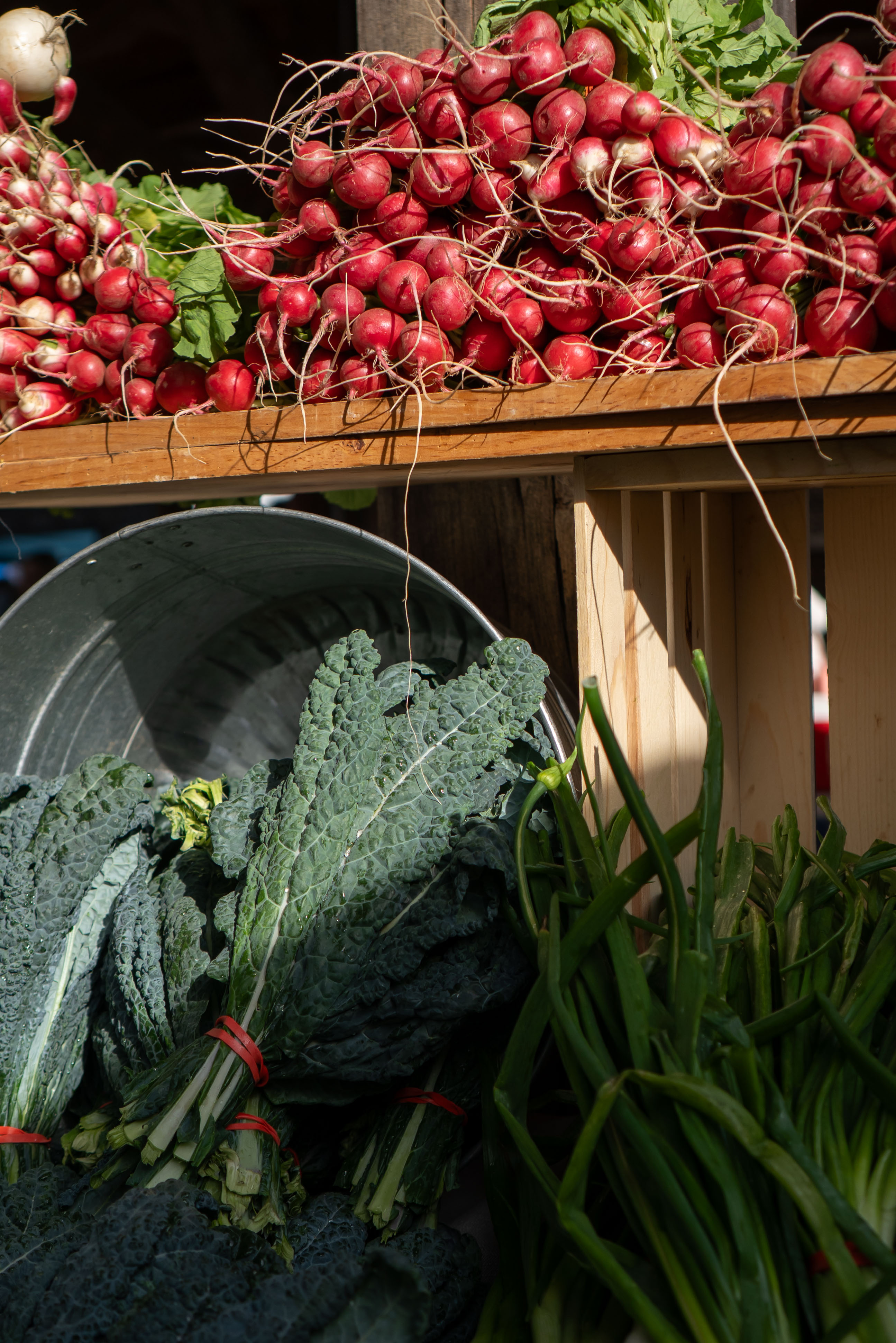
Produce grown by Crooked Porch Farm, Blacksburg Farmers Market. Photo by Elizabeth Ann Miller.
 > THE NEWS FEED <